
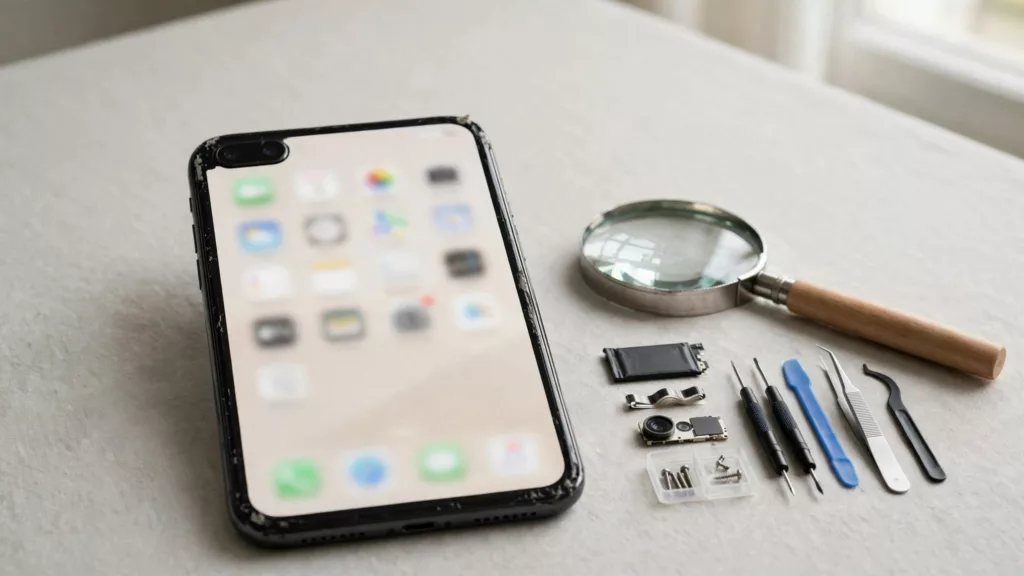
Refurbished condition labels describe a seller’s or program’s grading rules, but they don’t provide a universal quality guarantee. “Excellent” can mean almost spotless to one seller and visibly scratched to another.
For buyers, the useful distinction is between cosmetic condition, refurbishment work, and purchase protection. For sellers, clear disclosures make those differences easier to understand before checkout.
Start with what the grade promises, then read the specific description behind it.
Key Takeaways
- Cosmetic grades don’t establish which components were repaired, replaced, or tested.
- Manufacturer-certified refurbishment differs from a seller assigning its own condition grade.
- Useful listings disclose wear, functionality, accessories, testing, repairs, power-source health, warranty coverage, and return terms.
What Refurbished Condition Labels Actually Tell You
Cosmetic grades describe appearance
Excellent, very good, good, and fair usually rank appearance in descending order. Their definitions vary by seller unless a marketplace program sets shared requirements.
An excellent product might have barely visible handling marks. Good could allow obvious scratches or scuffs. Fair commonly signals heavier wear, but the word alone doesn’t establish whether every feature works.
A seller might describe a product as “excellent refurbished,” but that’s the seller’s description, not a universal grade or guarantee.
Grades A, B, and C have the same limitation. Written definitions and relevant photos make condition grading useful when comparing sellers.
Refurbishment describes work, with varying depth
Refurbishment can range from cleaning and visual inspection to component replacement, bench testing, and certification. A cosmetic grade doesn’t reveal which process occurred.
For example, a worn exterior can surround fully functional components. Conversely, a spotless laptop can still contain an aging power cell.
A better cosmetic grade doesn’t, by itself, prove that a product received more extensive repairs.
Sellers should describe the actual refurbishment process separately from the appearance grade.
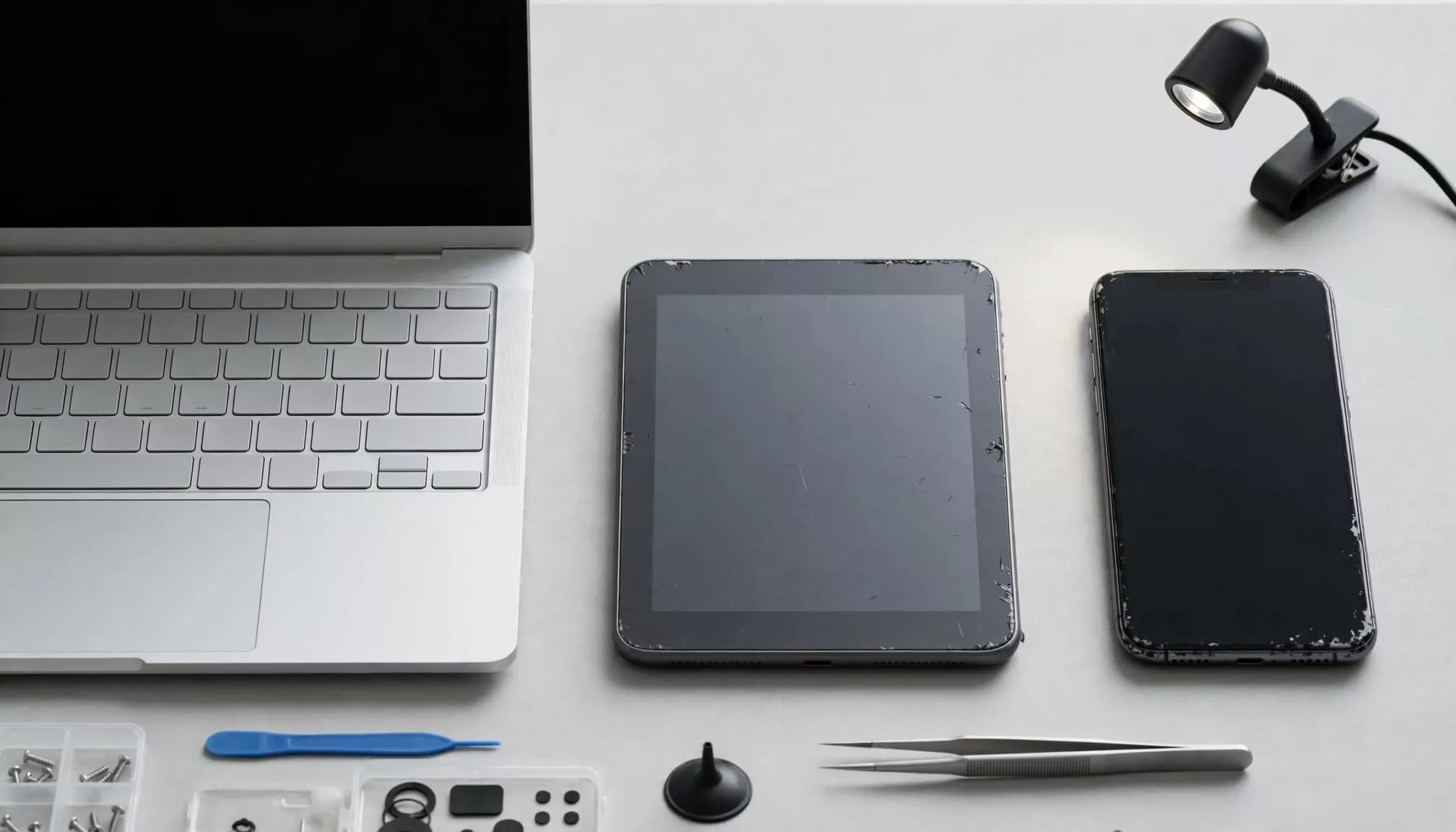
eBay Refurbished Grades, Best to Worst
eBay Refurbished has four defined tiers. These program labels carry more specific commitments than an independent seller simply writing “refurbished” in a title.
The eBay Refurbished warranty program assigns coverage by tier.
| Tier | Appearance expectation | Coverage |
|---|---|---|
| Certified Refurbished | Like-new condition under the certified program | Two years |
| Excellent | Like-new appearance | One year |
| Very Good | Minimal cosmetic wear | One year |
| Good | Moderate cosmetic wear | One year |
The practical difference between Excellent and Good is mainly visible wear. The top tier has a two-year warranty, and each other tier has a one-year warranty. Outside the program, sellers may use “very good condition” according to their own grading systems.
Certified Refurbished involves the manufacturer or a manufacturer-approved refurbisher. It isn’t interchangeable with an unaffiliated seller’s self-defined “certified” badge.
Program sellers must meet eligibility requirements, including Top Rated Seller status and at least 98% positive feedback. The stated performance standards include an item-not-as-described rate below 4% and an item-not-received rate below 1%.
Those standards provide accountability, but they don’t disclose an individual device’s repair history. A listing still needs to identify material wear, included accessories, and any relevant component replacements.
Apple and Amazon Use Different Refurbishment Programs
Apple Certified Refurbished is manufacturer-run
Apple’s manufacturer-run process includes full functional testing. Apple also provides a one-year limited warranty, while refurbished iOS devices receive a new battery and outer shell.
Those are program-specific commitments. They shouldn’t be applied to every secondhand Apple device advertised as refurbished elsewhere.
A third-party seller offering an excellent-condition iPhone isn’t automatically selling a product refurbished under Apple’s program. The brand of the device and the organization responsible for refurbishment are separate facts.
Amazon Renewed uses qualified suppliers
Amazon Renewed products undergo inspection and testing by qualified suppliers. That doesn’t automatically mean the original manufacturer performed the work.
Supplier refurbishment, marketplace guarantees, and manufacturer warranties are different forms of assurance. None should be treated as interchangeable.
For clear comparisons, listings should name the refurbisher and identify the applicable protection. Power-source health, replacement parts, and accessory inclusion also need their own disclosures rather than assumptions based on the Renewed name.
Surplus IT Labels Describe Stock History
Surplus hardware uses another vocabulary: New, New Trays, Pulled, and Refurbished. These terms don’t follow one industry-wide grading standard.
New generally means unused stock. New Trays describes unused components supplied in bulk, which may arrive opened, resealed, or without new packaging for retail sale.
Pulled inventory refers to components removed from a working production environment. The label doesn’t by itself mean they’re faulty.
Refurbished indicates some preparation or restoration for resale. However, the work performed still needs a description.
For server memory, storage, or networking equipment, service history and compatibility can matter more than cosmetic appearance. These labels should therefore accompany exact model and part numbers, rather than replace them.
Disclosures That Make a Condition Grade Useful
Describe the item, including testing and repairs
A useful listing names the wear: scratches on the lid, scuffs around ports, screen marks, dents, or missing feet. Photos should show the offered unit when its condition differs materially from others.
Testing needs similar precision. A successful power-on test doesn’t resolve an intermittent Wi-Fi complaint. Record the procedure, firmware, accessories used, and whether the reported fault could be reproduced.
Repairs should name replaced components where records exist. If the repair history is unknown, say so rather than implying a complete rebuild.
Put contents and restrictions beside the buying decision
List included accessories by type and specification, and identify which are original accessories and which are replacements. “Charger included” is less useful than naming its connector, wattage, and whether it’s original or third-party.
Show battery information separately. Capacity, cycle count, or a documented minimum health threshold gives buyers more information than a bare “tested” claim.
Place consequential return policy terms near the price or purchase controls. Our guidance on clear final sale messaging explains why footer-only policies leave buyers exposed to surprises.
Repeat the same condition and policy wording in the cart and order confirmation. Also, keep existing damage separate from damage reported after delivery. Our guide to analyzing ecommerce return reasons separates listing problems, faults, and shipping damage so teams can address the correct cause.
Warranty Coverage Is Separate From Cosmetic Condition
For eBay Refurbished, the Allstate warranty covers 100% of parts and labor for covered failures, with no deductible. The top tier receives two years; Excellent, Very Good, and Good receive one.
That doesn’t mean every possible problem qualifies. Accidental damage, cosmetic wear, and battery deterioration aren’t automatically covered by a parts-and-labor promise.
Outside established programs, refurbished laptop warranties may last around three to six months. Power cells are often excluded or receive separate terms. Those shorter arrangements shouldn’t be confused with eBay’s program coverage.
A return window lets you send back an eligible purchase. A warranty addresses covered failures during its stated period. Sellers should disclose both, including the remedy, exclusions, return shipping responsibility, and any applicable restocking charge.
Electrical Reconditioning Follows Separate Safety Rules
Consumer grading and electrical certification address different questions. A “good condition” badge can’t establish that reconditioned electrical equipment is acceptable for installation.
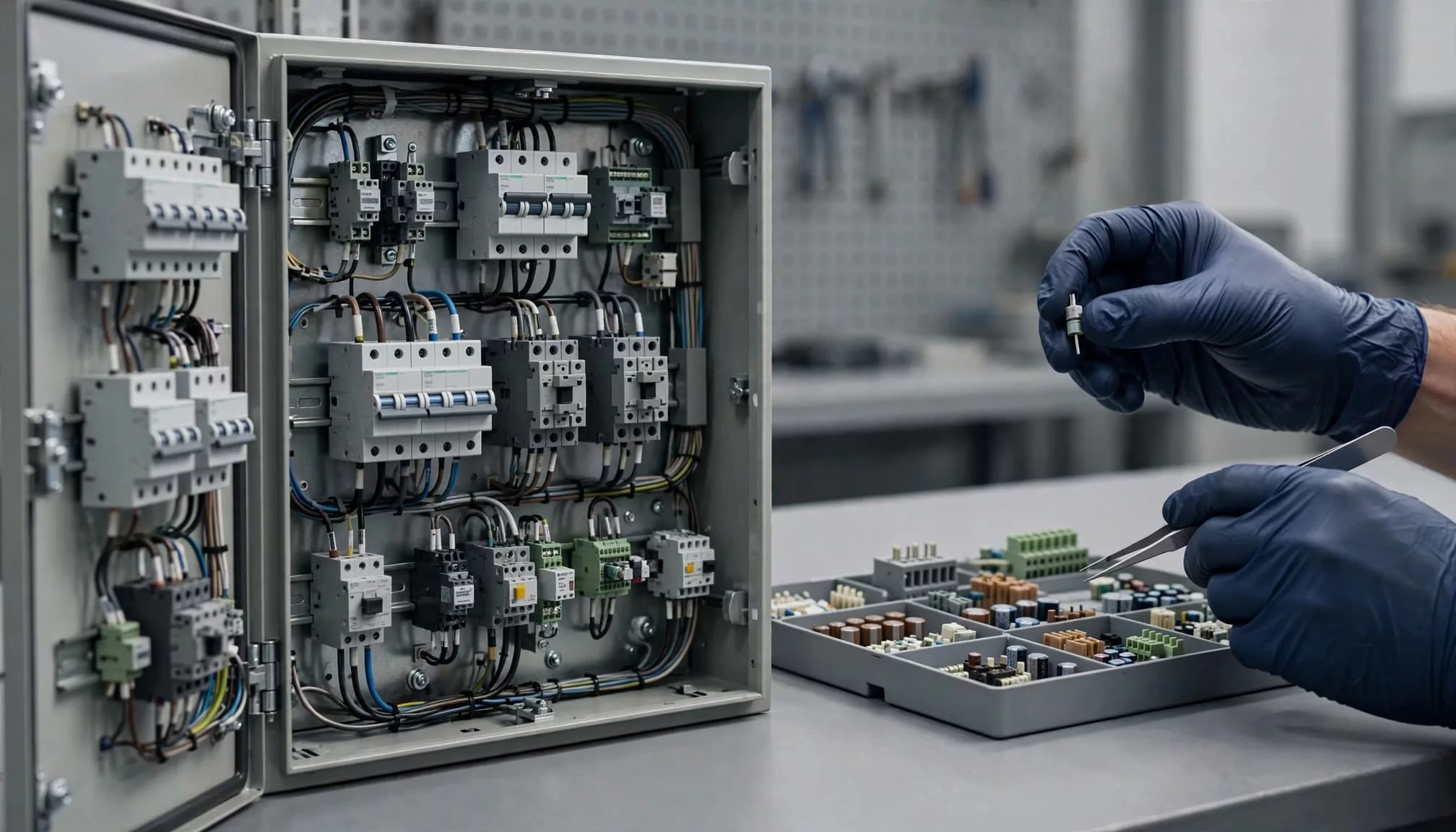
Marking and certification identify responsibility
The 2020 National Electrical Code (NEC), section 110.21(A)(2), addresses reconditioner identification, the reconditioning date, and removal of the original listing mark.
The IAEI certification explanation describes a refurbishment certification process involving new model and serial numbers, evaluation against applicable standards, and re-certification before sale or field placement.
An NRTL, such as Intertek, evaluates components and reviews disassembly and assembly procedures using the same certification approach applied to new products. That process goes well beyond inspecting appearance or confirming that equipment powers on.
Equipment-specific rules determine what’s permitted
The 2020 NEC prohibits reconditioning molded-case circuit breakers, receptacles, and panelboards. Transfer switches have separate equipment-specific listing requirements, so a blanket prohibition would be inaccurate.
These restrictions concern electrical safety and compliance, not cosmetic resale value. UL’s 2020 NEC guide explains why equipment categories and required markings matter.
Inspectors should reject and red-tag reconditioned equipment that improperly retains its original listing mark. Electrical buyers need applicable certification documentation, including a certification mark, and qualified inspection, rather than reassurance based on a marketplace condition grade.
Frequently Asked Questions
Is refurbished better than pre-owned?
Refurbished can justify a premium when it includes documented testing, useful repairs, and stronger protection. Pre-owned usually establishes previous ownership without promising restoration. However, a well-described used product can be a better purchase than a vaguely described refurbished one.
Is a refurbished phone original or fake?
Refurbished describes preparation for resale, not authenticity. A genuine phone may contain replacement components, including third-party parts. Clear listings distinguish the device’s identity from the origin of its replacement screen, power components, or accessories.
When is Excellent worth more than Used?
The premium makes sense when it buys something you value, such as less visible wear, documented charge capacity, included accessories, or better warranty coverage. The word “Excellent” alone doesn’t establish that value. Compare the exact model, storage, condition, and protection on the same basis.
Clear Labels Need Clear Supporting Details
The strongest refurbished listings pair a recognizable grade with specific disclosures. Buyers can then judge appearance, functionality, and protection separately.
For sellers, consistent wording across the product page, checkout, and confirmation reduces room for misunderstanding. A condition label earns trust when the description explains exactly what the buyer will receive.