

A site search bar can do two jobs at once. It helps shoppers find products with better user experience, and it creates URLs for internal search results that search engines may crawl.
That second part gets messy fast. One query can become hundreds of thin pages, duplicate filters, or dead ends, wasting crawl budget. The best internal search pages SEO strategy in 2026 is selective, not extreme. Some search pages deserve attention. Most should stay out of the index.
Key Takeaways
- Treat internal search pages as utility tools first: index only those with stable demand, unique value, and clear product discovery purpose; noindex thin, duplicate, or unstable results to save crawl budget.
- Use site search logs from Google Analytics to spot repeat queries like branded or attribute combos, then build curated static landing pages over raw dynamic URLs.
- Clean crawl paths with noindex meta tags, canonicals for near-duplicates, and sitemap exclusions, while keeping pages shopper-friendly and separate from faceted navigation rules.
- Platform tweaks vary—Shopify apps, Magento parameters, custom renders—but the goal stays selective: turn search data into better collections, links, and long-term SEO wins.
What internal search pages are actually doing on your store
Internal search pages are generated by on-site search when a shopper types a query or applies filters on your site. A search for “red trail shoes” or “women’s running jackets” can create a results URL, sometimes with parameters, sometimes with a dedicated route.
That page is useful for the shopper because it narrows choice to match user intent. It is less useful to search engines if it repeats what your category pages already say. In many stores, the page is just a live mirror of inventory. It updates often, and it changes with stock levels, promotions, and merch rules.
That is why internal search pages are best treated as utility pages first from the internal site search engine. They help conversion, but they do not always help discovery. If you want the search experience itself to improve, start with ecommerce site search optimization. Better relevance, better synonyms, and better zero-result handling make every later SEO decision easier.
For a useful technical baseline on how search URLs, internal search results, parameter pages, and crawl paths behave, technical SEO guide for ecommerce websites is a solid reference. It covers the pieces that usually break first.
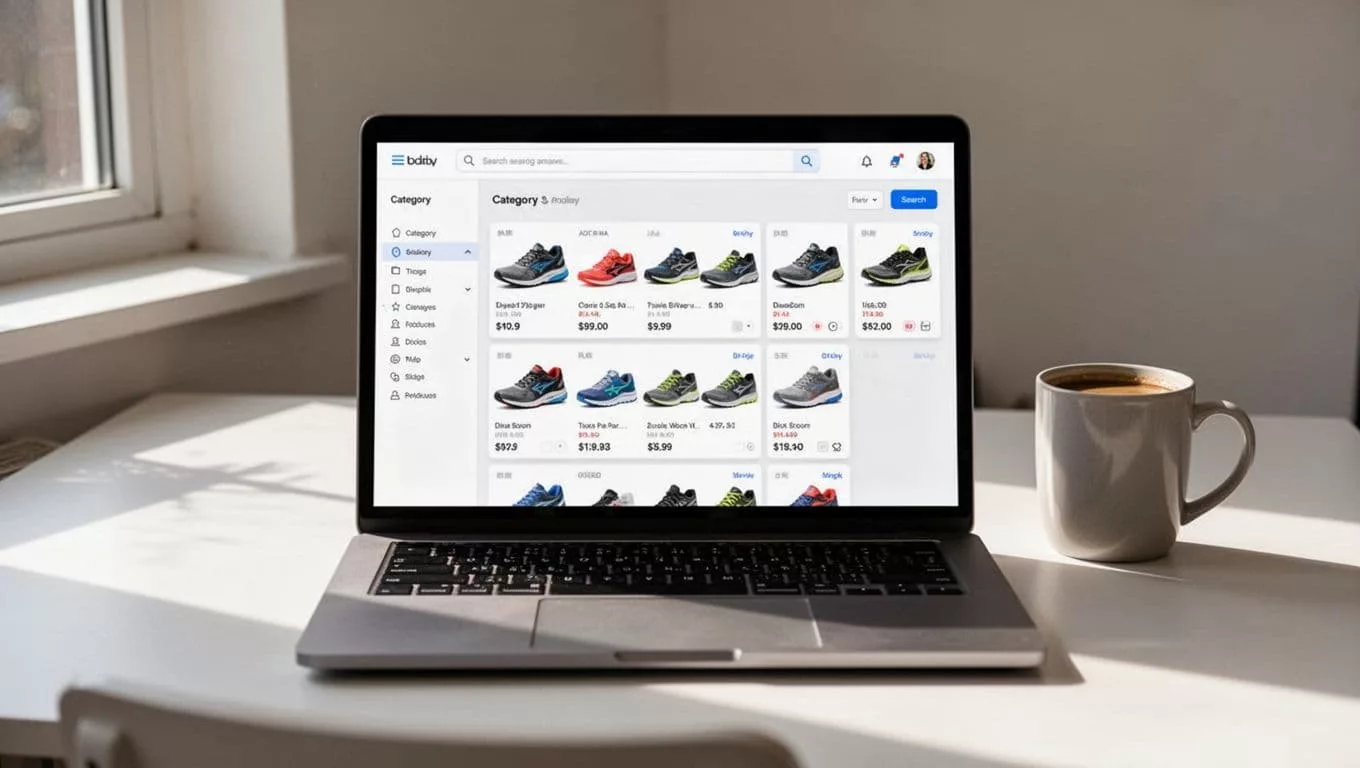
A strong search page is a shopping tool. It becomes an SEO asset only when it has clear demand and clear value for product discovery.
When search pages deserve indexation, and when they don’t
The right rule is simple: index pages that can stand on their own, and hide pages that only echo a query.
That sounds easy until you look at real ecommerce search. One store may have a branded query with strong demand, a faceted search combination that sells well, and a long tail of one-off searches that never repeat. Those pages should not get the same treatment.
Here is a practical way to sort the most common cases.
| Page type | Demand level | Index it? | Best treatment |
|---|---|---|---|
| Brand or model query with strong repeat demand | High | Sometimes | Build a curated landing page, then index that page |
| Product-attribute combination with stable search volume | Medium to high | Sometimes | Use a static collection or filtered landing page |
| Raw internal search results page via search query parameter | Unstable | Usually no | Noindex it, keep it useful for shoppers |
| Zero-result search page | Low | No | Noindex it, fix query coverage, show alternatives |
| Thin filter state creating duplicate content | Low | No | Canonical or noindex, depending on setup |
The biggest mistake is treating every query as a content page. A search URL like /search?q=blue+linen+shirt is not the same as a built category page for blue linen shirts that could rank on a search engine results page. The first one reflects a moment. The second one can earn links, internal links, and recurring traffic.
If a page exists only because someone typed a phrase, it usually needs more work before it deserves organic visibility.
This is where faceted navigation SEO for Shopify stores matters. Filtered pages and search pages often overlap, but the SEO rules are not identical. Facets can become useful landing pages. Search result pages usually should not.
Signals that a search page can win organic traffic
A search page earns a place in the index when it does more than repeat your catalog. In practice, that means it needs demand, specificity, and a stable purpose.
Stable demand matters more than one lucky spike
One query that pops for a week is not enough. You want search terms that show repeat intent over time. Use Google Analytics 4 and site search tracking to monitor query logs, product search reports, and related metrics. Search data insights from phrases that keep coming back are strong clues.
A useful search page often maps to real buying language through semantic search. Examples include “wide trail running shoes,” “black work boots waterproof,” or “small leather crossbody bag.” When those terms keep appearing, they signal content gaps; you may have a better candidate for a curated static landing page than for a raw search URL.
If your analytics stack already tracks search behavior well, the search data becomes a product roadmap. sitewide search functionality is a good reference for how search logs reveal demand and engagement patterns.
Unique value beats raw result lists
Even when demand is strong, the page still needs to offer something distinct. That can mean a stronger title, a short intro, a tailored product set, or a layout that groups the right products together. It should feel intentional, not accidental.
Search pages can also support SEO indirectly when they guide shoppers into better paths. That is where ecommerce internal linking strategy helps. When search-driven demand points toward collections, guides, or products, those pages often deserve the index instead.
The safest test is simple. Ask whether the page gives Google a page worth ranking, not just a list worth crawling. If the answer is no, the page should stay out.
Keep crawl paths clean without breaking shopper flow
Internal search pages should work for shoppers even when they are not indexable. That means you need control, not chaos, primarily to preserve crawl budget.
Start with the basics. Keep thin search URLs out of XML sitemaps. Add noindex meta tag to low-value internal search results. Use canonical tags only where they make sense, because canonical hints are not commands. Most important, do not rely on robots.txt file alone for cleanup. If a URL is blocked before crawlers can see the noindex meta tag, the page may keep lingering in search.
The robots.txt file can reduce crawl, but it does not clean up indexing by itself.
For a clearer view of the mechanics, internal search engines guide explains how on-site search systems turn catalog data into results pages and why that matters for UX and SEO. That connection matters because search page quality starts with search relevance.
A simple control stack usually looks like this:
- Keep search result pages crawlable long enough to receive
noindex meta tag, unless they are pure crawl traps. - Remove low-value search URLs from XML sitemaps.
- Canonicalize near-duplicates to the closest useful parent page.
- Watch Google Search Console for search query parameter, crawl spikes, and indexed junk.
If filters are part of the issue, not the query pages themselves, separate the rules. A filter like color or size can sometimes deserve its own landing page. A filter stack with five values and no unique demand usually does not. The details in Shopify faceted navigation SEO are useful here, even if your platform is not Shopify.
Platform-specific rules for Shopify, Magento, and custom builds
Your platform changes how much control you have. It also changes where the mistakes happen.
On Shopify, the main limits often come from theme code, app behavior, and how search and filters are rendered. A third-party on-site search app may create query URLs that are easy to crawl but hard to control. In that setup, the main task is to separate useful search landing pages from noisy parameter states. If you are also dealing with collection filters, keep search rules and filter rules separate in your technical plan.
The desktop monitor image below shows how often this work starts in an admin panel, not in content planning.

Magento gives you more technical room, but that does not mean the default setup is safe. Search routes, layered navigation, and parameter handling can create huge indexation surfaces. If your internal site search engine and filter logic share the same URL patterns, control gets harder fast.
Custom and headless builds bring a different problem. Search may render on the client, while Google sees a partial or delayed version of the page, which harms user experience. In that case, test rendering, especially mobile search, before you decide anything about indexation. A page that looks clean in a browser can look empty to a crawler.
If you are planning a platform move, search pages need special care during the transition. preserving rankings during platform migrations is worth reviewing before you move search routes, filter rules, or canonical logic. A migration can turn a manageable search setup into a mess overnight.
The takeaway is simple. Platform details change the method, but not the goal. You still want stable pages, clear rules, and fewer duplicate crawl paths.
Turn search demand into better landing pages
The best use of search data is not indexing more search pages. It is building better pages where the demand really belongs.
When a query keeps appearing, ask whether it deserves a static destination. A product collection, a subcategory, or a tailored landing page often beats a live search result page and improves conversion rates. That page can hold copy, internal links, filters, FAQs, and product blocks that stay useful over time.
This is where internal search and content strategy meet. If shoppers keep searching for “eco-friendly yoga mats” or “travel backpacks under 40L,” search data insights from that demand can shape both merchandising strategy and SEO. It can also guide your copy team. Product titles, collection names, and FAQ questions should match the user intent shoppers express in their language.
Use this sequence when a query keeps showing up:
- Check search volume and conversion.
- Review the current result quality, including features like autocomplete, predictive search, and typo tolerance.
- Look for a cleaner page type, such as a collection or guide.
- Add internal links from related pages.
- Measure whether the new page attracts traffic and sales.
The point is not to publish more pages. The point is to publish the right page type. Search demand is a signal, and your job is to route it well.
Frequently Asked Questions
What are internal search pages, and why do they matter for SEO?
Internal search pages generate from shopper queries or filters, creating URLs like /search?q=red+shoes. They boost UX and conversions but often waste crawl budget as thin mirrors of categories. Selective SEO keeps high-value ones indexed while hiding junk.
When should I index an internal search page?
Index only pages with repeat demand, specificity, and unique elements like intros or tailored layouts. Raw query results or zero-hits usually get noindex. Build static alternatives for strong signals to earn real organic traffic.
How do I prevent internal search from harming crawl budget?
Apply noindex meta tags to thin pages, exclude from XML sitemaps, and canonicalize duplicates to parent categories. Avoid robots.txt alone, as it blocks meta instructions. Monitor Google Search Console for parameter spikes and junk indexing.
How can search data shape better ecommerce pages?
Site search logs reveal buying language and gaps, like “eco yoga mats.” Route demand to static collections or guides with copy, links, and merch. This lifts conversions, SEO, and navigation over indexing dynamic results.
Do platform differences change the internal search SEO rules?
Yes, Shopify needs app/theme controls; Magento risks parameter bloat; custom builds demand render tests. But core rules hold: separate search from facets, plan migrations, and prioritize stable pages. References like Shopify faceted SEO guides help tailor fixes.
Conclusion
On-site search pages are useful, but they are not all equal. In 2026, the stores that win treat them as controlled assets, not automatic index targets, with a well-organized search structure that aims for long-term goals like earning a sitelinks search box.
Use indexation when a query or filter state has stable demand and clear value. Use noindex, canonicals, and clean crawl rules when the page is thin, duplicate, or unstable. The best ecommerce teams do both, because they protect crawl quality while still improving the shopper journey through on-site search that matches external search engine standards and accounts for rising voice search demands.
The real win comes when search data shapes better collections, better navigation, and better product pages. That is where internal search stops being a technical problem and starts becoming a source of better organic traffic, much like a search engine results page, while lowering bounce rates along the way.