

A strong store structure works like clear signs in a good shop. Shoppers move from aisle to shelf to advice desk, then back to the right shelf. Ecommerce internal linking should do the same online.
When links match intent, deeper products get crawled more often, collections feel easier to browse, and guides stop acting like dead ends. That mix supports SEO, discoverability, user flow, and revenue at the same time.
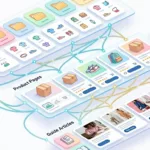
The best systems are simple on paper. Collections should send people into the right products. Product pages should point to better fits, add-ons, and helpful guides. Guides should bring readers back into the catalog with a clear buying path.
Start with page roles, not random link widgets
This is the simplest way to map the job of each page type:
| Page type | Main links out | Primary job |
|---|---|---|
| Collection | Products, useful subcollections | Discovery |
| Product | Related items, guides, parent collection | Decision support |
| Guide | Collections, featured products | Move readers toward purchase |
In 2026, the safest setup still uses HTML links on core paths. JavaScript can improve browsing, but it shouldn’t hide key routes to products or collections. That matters on large catalogs, where weak paths leave strong products buried. For a wider architecture view, this internal linking strategy guide for 2026 is useful background.
Treat each link block like store signage. It should move shoppers to the next likely decision.
Good internal links also support revenue because they reduce backtracking. When page roles blur, stores over-link low-value pages and under-link the pages that actually sell.
Link collections to products without creating crawl dead ends
Collection pages do the heavy lifting for discovery. So every product image, product title, and other clear card element should link to the product page. “Quick view” alone isn’t enough, because it weakens both crawl paths and shopper intent.
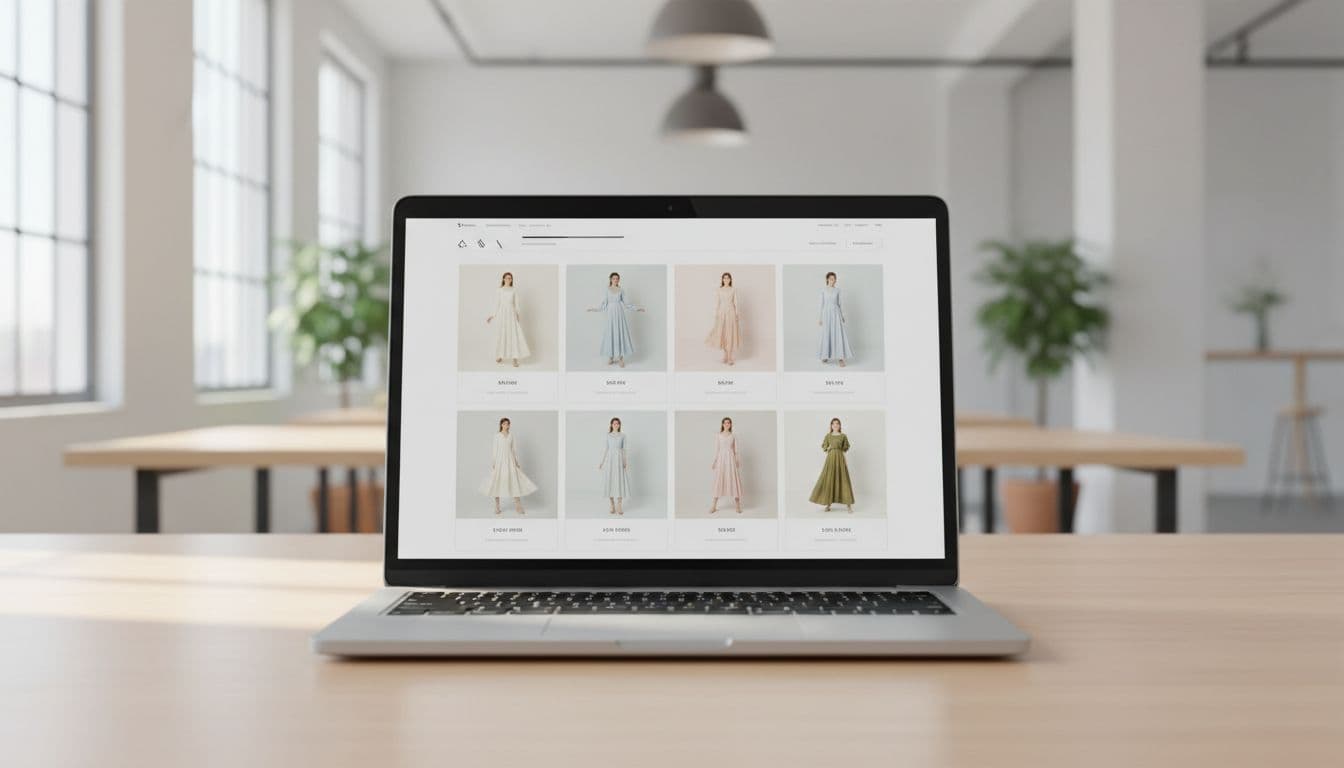
Keep the strongest links above the fold tied to the products you want found most. If you feature trend edits, sale blocks, or staff picks, those modules should still lead into real product URLs. Meanwhile, breadcrumb patterns that reinforce site hierarchy help users move up and sideways without starting over.
For large collections, stable pagination still beats JS-only discovery. If you add infinite scroll or a load more button, keep crawlable paginated URLs underneath, as shown in these crawlable pagination strategies for Shopify stores.
A fashion example is simple. A “women’s linen dresses” collection should surface strong dress detail pages first, not push shoppers into thin filter traps. For home goods, a “table lamps” collection can highlight popular lamp pages and a few clear subtype paths. Electronics collections work best when cards surface key specs, so users click into the right model instead of the loudest promo.
Use product pages to route shoppers to better fits, bundles, and guides
Product pages are decision pages. Therefore, their links should answer three needs: “Is there a better option?”, “What goes with this?”, and “Will this work for me?”
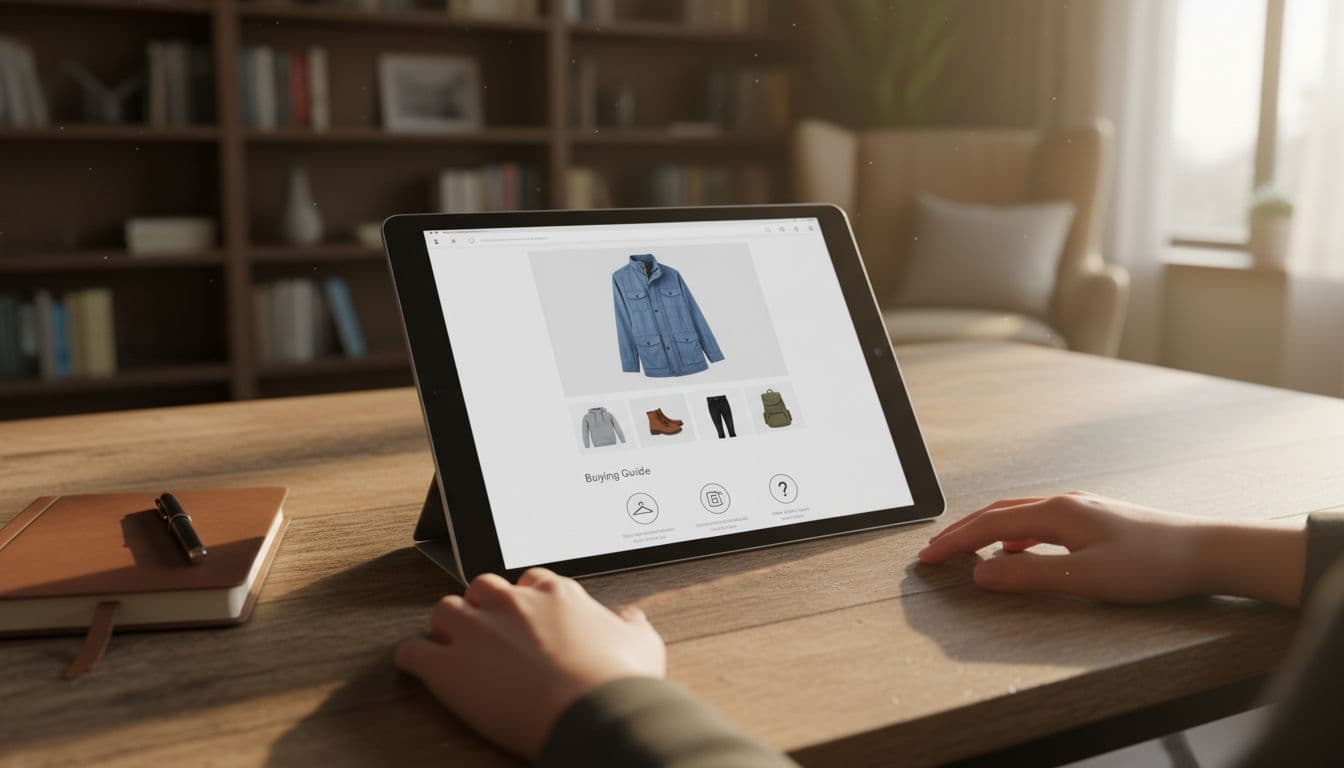
Start with related products. Link to close substitutes, higher-price upgrades, and real complements. A sofa product can link to matching ottomans. A mirrorless camera can link to compatible lenses, batteries, and memory cards. Keep those relationships rule-based, not random.
Then add guide links where doubt shows up. Fashion products need size, fit, and care links near variant choices. Home goods often need measuring, material, or room-style help. Electronics pages should surface compatibility, setup, and comparison guides near specs or FAQs. A good product-to-guide link saves the sale because it answers friction before the shopper leaves.
Avoid lazy modules like “You may also like” when they ignore category, price band, or compatibility. Random recirculation creates noise. A more thoughtful network, similar to the approach in this Shopify internal linking guide for 2026, keeps users in the same buying path.
Turn buying guides into catalog entry points
Guides often attract traffic, but many stores treat them like blog posts with no exit. That’s wasted demand. Each guide should feed readers into one relevant collection and a small set of products.
Place those links where intent peaks. After a comparison table, add links to the winning collection. After a “best for small spaces” section, show three matching products. At the end, give shoppers a next step based on need, not a generic shop button.
A home goods guide on floor lamps can link to a floor lamp collection, then to three styles by room size. An electronics guide on USB-C hubs can point to a compatibility collection plus exact models for MacBook, Windows, and travel use. In fashion, a fabric-care guide can send readers back to washable knitwear or silk-specific products.
Anchor text matters here. “Shop waterproof hiking jackets” beats “view products” because it matches what the reader just learned. If your team is also tightening page intent across categories and products, this category and product ranking framework offers useful context.
Do and don’t rules for ecommerce teams in 2026
- Do keep one clear path up and down the site. Products should link back to parent collections and across to valid alternatives.
- Do cap link blocks. Six useful links beat 24 weak ones.
- Do swap or remove links to long-term out-of-stock products.
- Don’t hide key links in sliders, tabs, or JS-only modules.
- Don’t send every guide to the same bestseller unless it truly fits the topic.
- Don’t auto-link by keyword without checking intent, stock status, and margin.
Track more than rankings. Watch crawl depth, guide-to-product clicks, assisted revenue, and exits from product pages. Also, review templates by store type, because fashion, home goods, and electronics need different link logic.
Good ecommerce internal linking feels almost invisible. Shoppers find the next sensible step, search engines reach deeper pages, and guides help sales instead of soaking up visits. Audit one collection, one product template, and one guide this week, then roll the winning pattern across the catalog.