

Web design is advancing at a remarkable pace, shaping how businesses connect with audiences in 2026. Staying ahead of the curve is no longer optional; it is essential for growth and relevance in the digital world.
The best website to design tools can empower creators, entrepreneurs, and organizations to easily adapt to new trends, boost productivity, and deliver standout digital experiences. Making the right choice now means you are ready for tomorrow’s challenges.
In this article, you will discover a comprehensive review of the seven most powerful website design tools for 2026. We’ll explore core features, pricing, ideal use cases, and how these tools are redefining the industry.
Ready to find the perfect solution for your next project? Read on to see which tool will help you create, innovate, and succeed.
The Future of Website Design: Trends and Challenges
The landscape of website creation is shifting rapidly as businesses prepare for 2026. Staying ahead means adapting to new technologies and user expectations. To secure an edge, understanding the key trends and challenges is essential for anyone seeking the best website to design their digital presence.
Key Trends Shaping Website Design in 2026
Web design in 2026 is defined by innovation and adaptability. AI-driven design and automation are now at the forefront, enabling creators to streamline workflows and personalize experiences. No-code and low-code platforms are democratizing the creation process, letting more people access the best website to design without advanced coding skills.
Mobile-first and fully responsive design have become the baseline, ensuring seamless browsing across all devices. Accessibility and inclusivity are no longer optional, as regulations and user demands increase. AR and VR integration is opening doors to immersive digital experiences. According to industry forecasts, 70% of new websites will use AI-assisted tools by 2026. For a deeper dive into these emerging trends, see Web design trends for 2026.
Brands like Nike and IKEA are already leveraging these innovations to engage users with interactive, future-ready websites.
Common Challenges for Designers and Businesses
With rapid change comes significant hurdles. Keeping up with evolving technology is a constant struggle for teams aiming to use the best website to design. Designers must balance creative vision with usability and fast load times, all while making sure sites are scalable and secure.
Optimizing for SEO and overall performance is another challenge, especially as search algorithms grow more sophisticated. The demand for unique, branded experiences puts extra pressure on teams. Recent data shows a surge in personalized web experiences, reflecting user expectations for tailored content and design.
Staying ahead requires adaptability, a willingness to learn, and the right set of tools.
Why Choosing the Right Tool Matters
Selecting the best website to design is more than a technical decision; it shapes the entire creative process. The right platform accelerates workflow, fosters innovation, and delivers measurable ROI. Companies that invest in robust design tools often see faster project completion and improved team collaboration.
Case studies reveal that startups using advanced design platforms scale quickly, while agencies deliver more for their clients by leveraging collaborative features. The impact on project outcomes is clear—cost savings, higher efficiency, and stronger digital presence. Making a strategic tool choice is essential for long-term success.
What to Look for in a Website Design Tool in 2026
Finding the best website to design your project involves careful evaluation. Essential features include AI integration, responsive templates, and real-time collaboration tools. Scalability ensures your site can grow with your business, while robust security and dedicated support protect your investment.
Customization and third-party integrations are critical for flexibility. Compare pricing models to find options that fit both startups and enterprises. Here’s a quick checklist to guide your selection:
| Feature | Importance in 2026 |
|---|---|
| AI-powered design | Streamlines creation |
| Responsive templates | Ensures device compatibility |
| Collaboration tools | Boosts team productivity |
| Scalability | Future-proofs your site |
| Security & compliance | Protects data and users |
| Customization & integrations | Adapts to unique needs |
| Flexible pricing | Matches your budget |
Review user satisfaction ratings and seek out recent testimonials. Prioritize platforms with strong support and proven reliability. By focusing on these criteria, you can confidently select the best website to design for your business goals.
7 Powerful Best Website to Design Tools for 2026
Choosing the best website to design your online presence in 2026 means understanding both the strengths and limitations of today’s top tools. Each platform offers unique features, pricing models, and ideal use cases. Below, we break down seven industry leaders shaping the future of digital design, helping you select the best website to design your next project.
Webflow
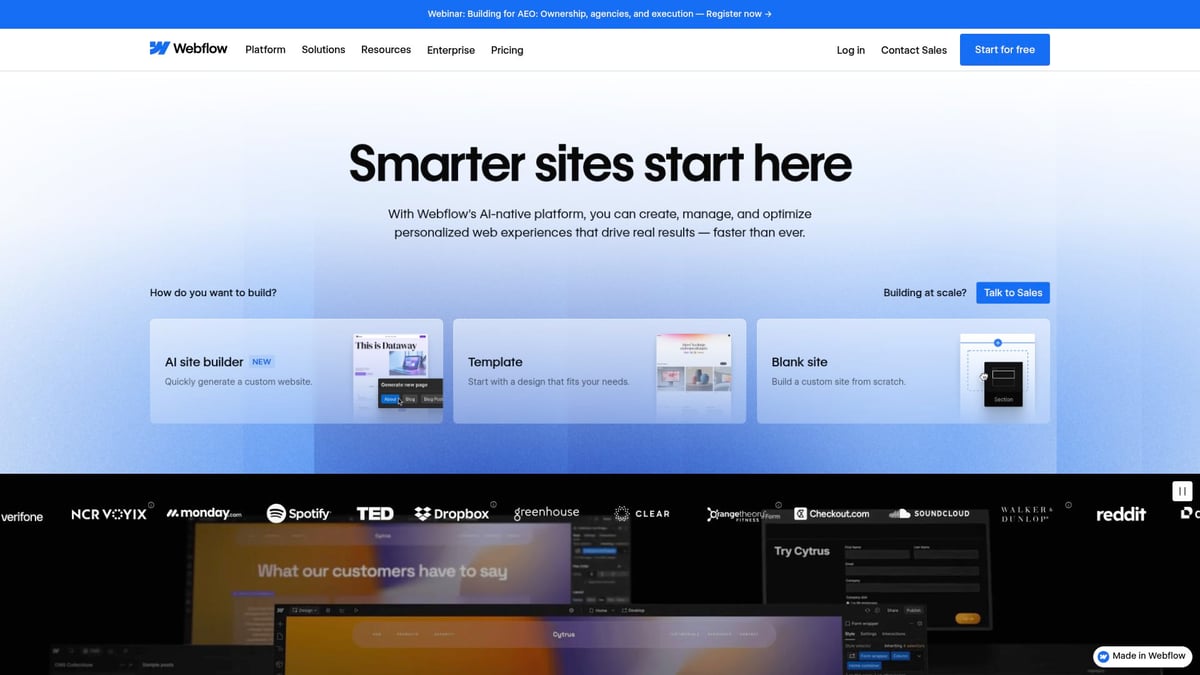
Webflow continues to lead as one of the best website to design platforms for professionals seeking both flexibility and power. With a free plan and paid options starting at $14 per month, Webflow’s visual drag-and-drop editor enables rapid prototyping and pixel-perfect layouts.
Core Features:
- Visual designer and advanced CMS
- E-commerce support and powerful SEO controls
- Animations and interactions
Webflow’s unique selling point is its no-code approach, yet it delivers developer-level customization for those who want more control. Hosting is seamless, and the platform is ideal for designers, agencies, startups, and e-commerce businesses looking for the best website to design landing pages, dynamic content sites, or online stores.
Pros:
- High flexibility
- Strong community support
- Fast iteration cycles
Cons:
- Steeper learning curve for beginners
- Limited third-party widget library
Example: Dell and Zendesk use Webflow for marketing and campaign microsites, highlighting its enterprise-grade capabilities.
Figma
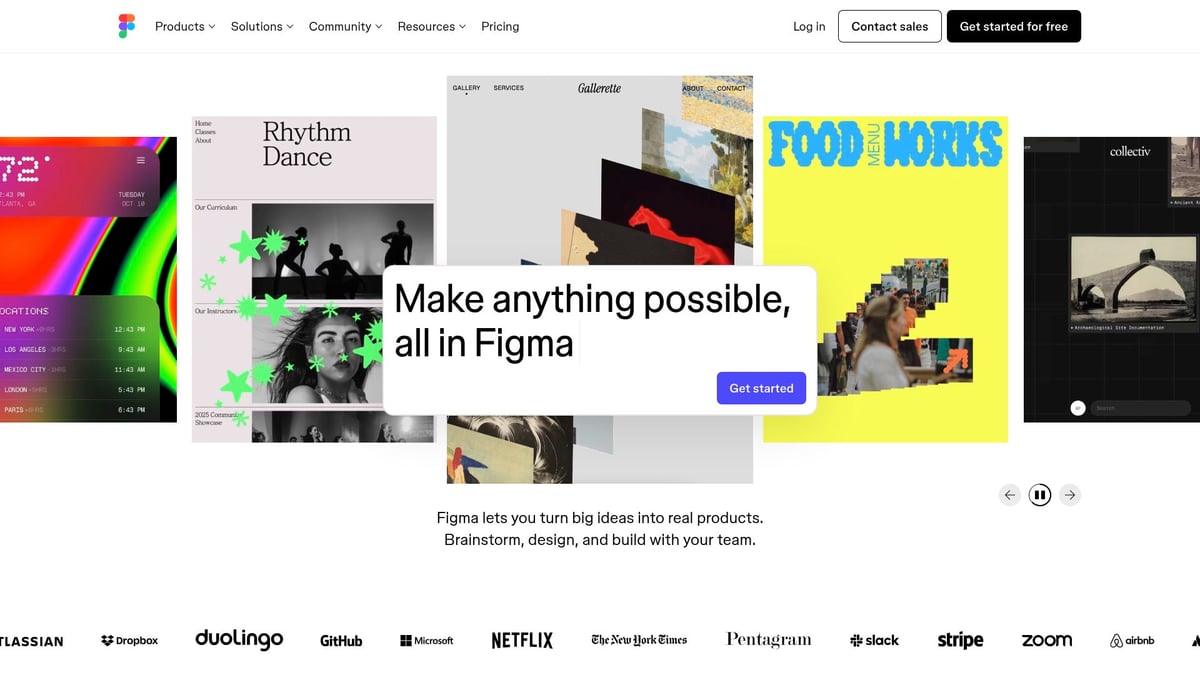
Figma has solidified its place among the best website to design tools by prioritizing real-time collaboration and cloud-based workflows. Free for individuals, with professional plans from $12 per editor each month, it empowers teams to co-design interfaces efficiently.
Key Features:
- Real-time editing and prototyping
- Extensive plugin ecosystem
- Robust design systems
Figma is perfect for UI/UX designers, product teams, and agencies that need seamless collaboration. Its platform-agnostic nature makes it accessible on any device, supporting the best website to design process for interface design and prototyping.
Pros:
- Industry-leading team features
- Deep integrations with popular tools
- Platform independence
Cons:
- Requires a constant internet connection
- Limited advanced animation capabilities
Example: Microsoft and Uber rely on Figma to streamline their design workflows and maintain consistency across global teams.
Editor X
Editor X stands out as a top choice for professionals who demand precision and creative freedom. Starting at $22 per month, it merges responsive design with advanced CSS grid controls, making it one of the best website to design complex, scalable business websites.
Core Features:
- Responsive layouts and flexible breakpoints
- CSS grid and advanced layouting
- Collaborative workspaces
Editor X’s unique advantage is how it bridges no-code simplicity with designer-level control. Creative agencies, freelancers, and professional designers benefit from its flexibility and integration with the Wix apps ecosystem, making it the best website to design interactive experiences.
Pros:
- Precision and control over every element
- Strong collaborative tools
- Access to Wix app integrations
Cons:
- Steep learning curve for advanced features
- Higher pricing for premium options
Example: Leading creative agencies use Editor X for client projects requiring unique, branded experiences.
Framer
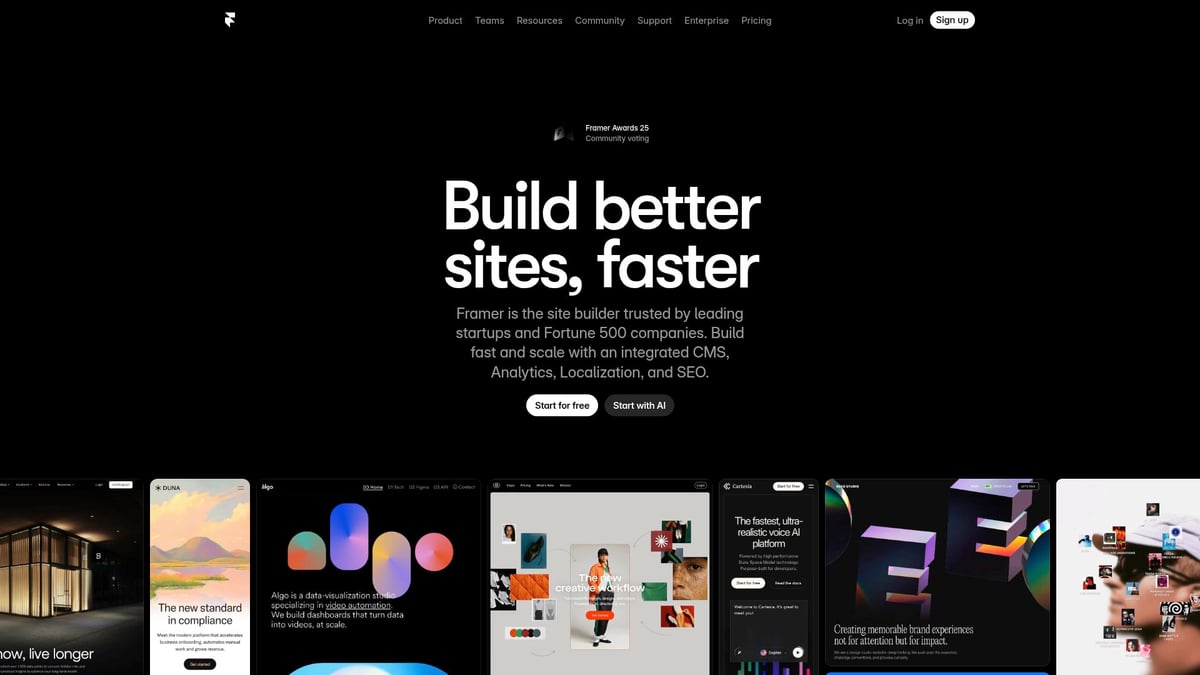
Framer is quickly becoming the best website to design high-fidelity prototypes and landing pages, especially for startups and tech-focused teams. With a free tier and paid plans from $5 per month, Framer delivers interactive design and AI-powered suggestions.
Key Features:
- Interactive prototyping and animation tools
- React-based code export
- Real-time collaboration and built-in hosting
Framer’s developer-friendly environment allows users to move from design to production rapidly. It is the best website to design MVPs, marketing sites, and product launches for teams prioritizing speed and innovation.
Pros:
- Fast iteration and prototyping
- Strong animation capabilities
- Collaboration features for teams
Cons:
- Limited CMS for larger content sites
- Best suited for smaller projects
Example: Startups use Framer to launch and iterate products quickly, with high-fidelity prototypes that double as production-ready assets.
Wix Studio
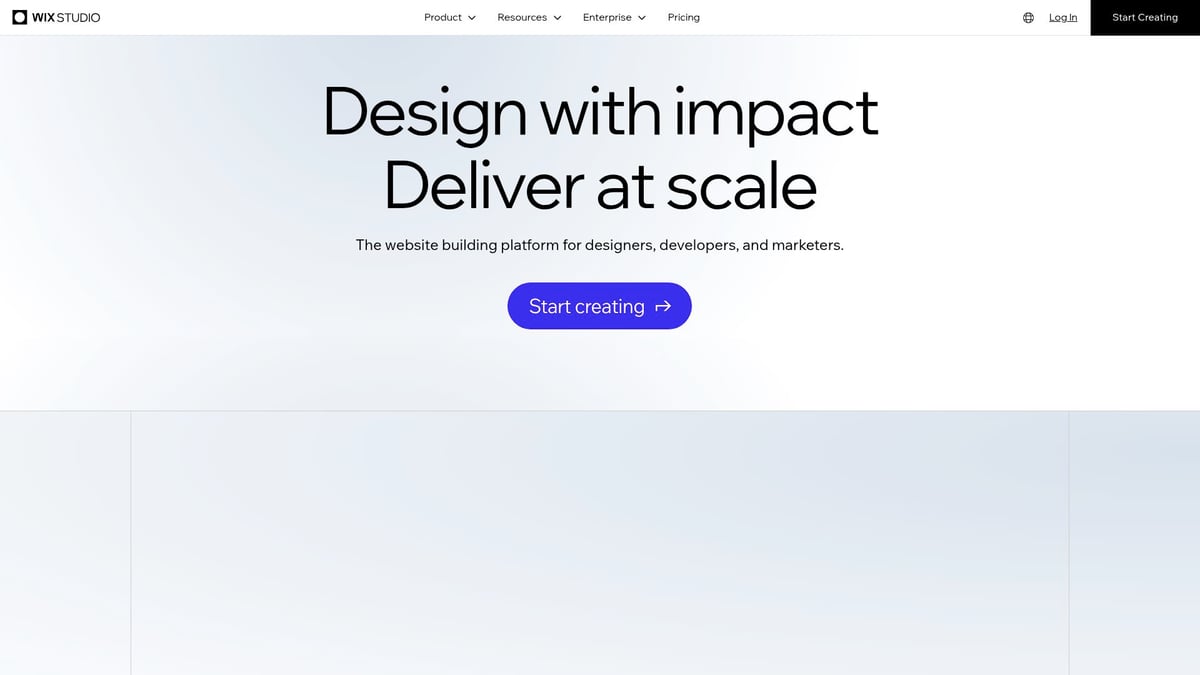
Wix Studio emerges as a leading contender for the best website to design business sites, portfolios, and service booking platforms. With a free plan and premium options from $16 per month, Wix Studio leverages AI-driven site creation and a vast library of templates.
Core Features:
- Drag-and-drop builder with AI text and image generation
- Integrated marketing and SEO tools
- Extensive template and design asset library
Entrepreneurs, small business owners, and creatives find Wix Studio to be the best website to design professional-looking sites quickly. Its AI-powered features reduce setup time while ensuring quality and performance.
Pros:
- User-friendly interface
- Fast setup and go-live
- Strong customer support
Cons:
- Template limitations for deep customization
- Additional costs for some advanced features
Example: Artists and small businesses worldwide rely on Wix Studio for cost-effective, visually compelling web solutions.
Adobe XD
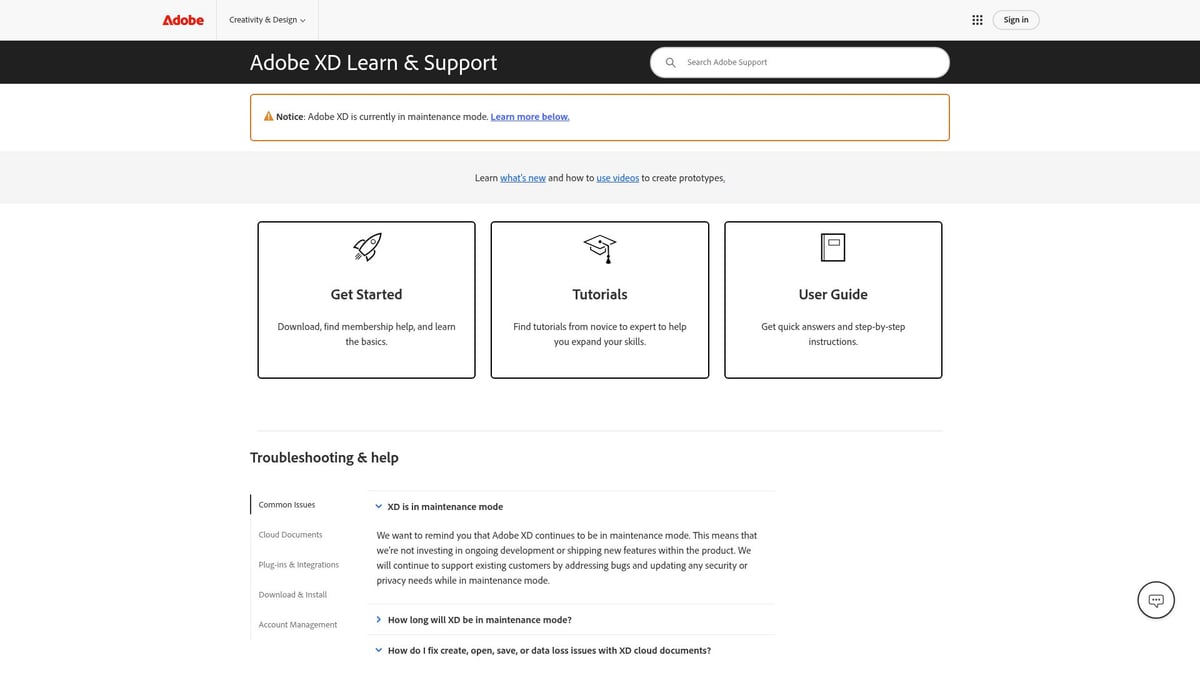
Adobe XD remains among the best website to design tools for professional UI/UX projects. Its free starter plan and paid subscriptions from $9.99 per month make it accessible for both freelancers and enterprise teams.
Key Features:
- Vector design and interactive prototyping
- Voice triggers and shared design systems
- Tight integration with Adobe Creative Cloud
Adobe XD’s strength lies in its robust prototyping capabilities and seamless handoff to developers. It is the best website to design interactive prototypes and manage complex design systems, making it a staple for large organizations.
Pros:
- Powerful design and prototyping tools
- Seamless workflow with other Adobe apps
Cons:
- Limited direct web publishing
- Full features require Creative Cloud subscription
Example: Fortune 500 companies leverage Adobe XD for consistent, scalable interface design across products.
Squarespace
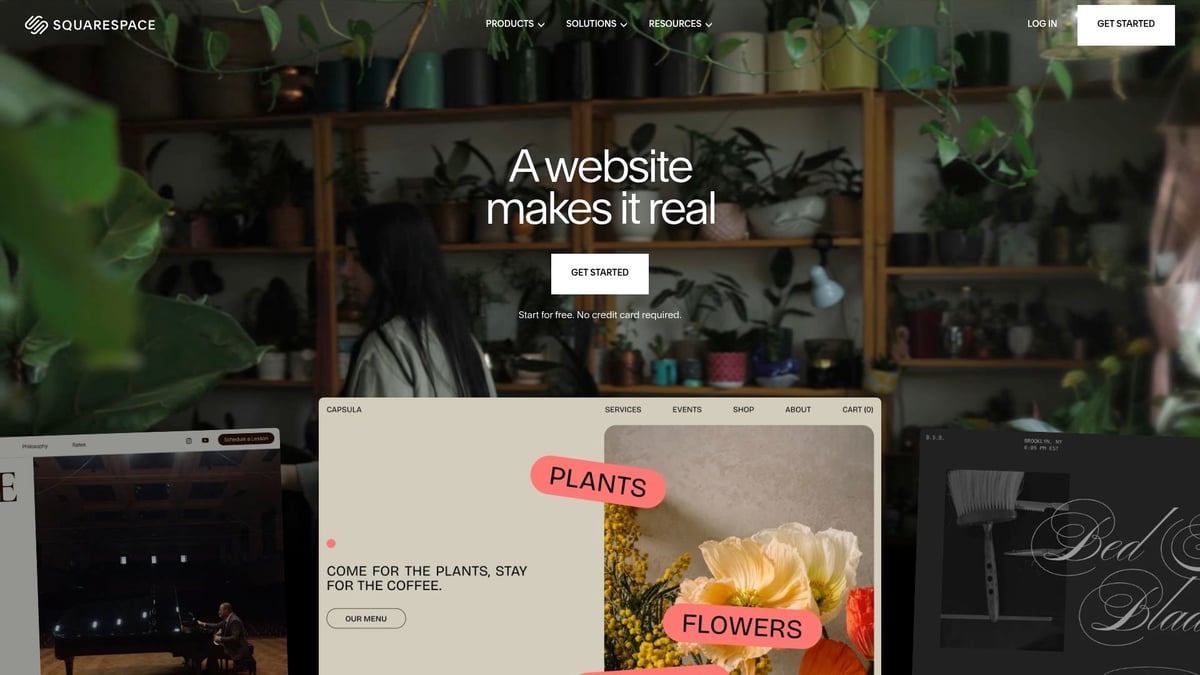
Squarespace continues to be recognized as the best website to design visually stunning portfolios, blogs, and online stores. Starting at $16 per month, it combines award-winning templates with built-in e-commerce and analytics.
Core Features:
- High-quality, customizable templates
- E-commerce and blogging tools
- Integrated analytics and reliable hosting
Entrepreneurs, creatives, and small businesses favor Squarespace for its all-in-one approach. It is widely regarded as the best website to design projects that require beautiful design and ease of use.
Pros:
- Beautiful, professional templates
- Strong customer support and uptime
- Easy-to-use editor
Cons:
- Less flexibility for custom coding
- Transaction fees on lower-tier plans
Example: Photographers, artists, and local businesses use Squarespace to showcase work and drive online sales.
Comparison Table: Top 7 Best Website to Design Tools for 2026
| Tool | Pricing | Best For | Unique Features | Pros | Cons |
|---|---|---|---|---|---|
| Webflow | Free; from $14/mo | Agencies, startups | Visual editor, CMS, animations | Flexible, strong community | Learning curve |
| Figma | Free; from $12/mo | UI/UX teams | Real-time collaboration, plugins | Team features, integrations | Needs internet |
| Editor X | From $22/mo | Professionals | CSS grid, responsive layouts | Precision, Wix integration | Higher price, learning |
| Framer | Free; from $5/mo | Startups | Prototyping, AI, React export | Fast, developer-friendly | Limited CMS |
| Wix Studio | Free; from $16/mo | Small businesses | AI tools, templates, SEO | User-friendly, strong support | Template limitations |
| Adobe XD | Free; from $9.99 | Enterprises | Prototyping, Adobe integration | Powerful, seamless workflows | Needs subscription |
| Squarespace | From $16/mo | Creatives | Templates, e-commerce, analytics | Beautiful designs, reliable hosting | Less code flexibility |
For a deeper dive into how to make the most of these platforms, explore website design best practices to ensure your project stands out.
Selecting the best website to design your next site depends on your goals, budget, and team needs. Evaluate each tool’s strengths to find the perfect fit for your creative vision.
How to Choose the Best Website Design Tool for Your Needs
Selecting the best website to design your next project requires careful evaluation of your unique needs. The right choice ensures your site stands out, scales smoothly, and delivers a seamless user experience. By breaking down your requirements, pricing, and usability, you can confidently invest in a tool that supports your vision and future growth.
Assessing Your Project Requirements
Begin by clarifying the purpose of your website. Are you building an e-commerce platform, a portfolio, a blog, or a business site? Each objective has distinct demands, so aligning your goals with the best website to design is essential.
Next, think about scalability. Will your site need to handle more users, products, or features as your business grows? This impacts which tools can support you long term.
Consider your team’s size and collaboration style. A solo entrepreneur may favor simplicity, while an agency benefits from robust collaboration features. Define your workflow needs to ensure the best website to design matches your team’s processes.
List your must-have features, such as integrated CMS, e-commerce, or AI design assistants. This checklist will guide your evaluation and narrow your options.
Comparing Pricing and Value
Understanding the cost structure is vital. Many platforms offer both subscription and one-time fee models, so compare what each includes. For the best website to design, weigh the benefits of free plans versus premium features.
Create a comparison table to visualize value:
| Tool | Free Plan | Paid Plans Start | Key Value Features |
|---|---|---|---|
| Webflow | Yes | $14/month | CMS, e-commerce, SEO |
| Figma | Yes | $12/editor/mo | Collaboration, plugins |
| Editor X | No | $22/month | Advanced layouts, grids |
Consider hidden costs, such as add-ons or transaction fees. Also review recent price changes or feature upgrades introduced in 2025, as these can affect your long-term ROI.
Prioritize tools that offer flexibility, so you can scale your investment as your needs evolve. This approach ensures you get the best website to design without overcommitting your budget.
Evaluating User Experience and Support
User experience is a deciding factor when choosing the best website to design. An intuitive interface speeds up learning and reduces frustration, which is crucial for maintaining project momentum.
Check the availability of tutorials, active forums, and responsive support. Platforms with vibrant communities can help solve problems quickly and share innovative ideas.
Reliability and uptime statistics matter, especially for business-critical sites. Review recent user satisfaction ratings to gauge how each tool performs under real-world conditions.
Strong customer support can mean the difference between meeting deadlines and facing costly delays. Investigate the responsiveness of help desks and the quality of documentation.
For more actionable guidance on evaluating interfaces and collaboration, you can explore these web design tips and strategies. They offer insights to help you make an informed decision and maximize your investment in the best website to design for your unique needs.
Integrating AI, Automation, and Collaboration in Website Design
As we approach 2026, integrating artificial intelligence, automation, and seamless collaboration is becoming essential for anyone searching for the best website to design. These advancements are reshaping how teams build, launch, and manage digital experiences, allowing businesses to deliver more personalized and secure websites faster than ever.
The Role of Artificial Intelligence in Modern Web Design
Artificial intelligence is now at the core of the best website to design platforms. AI-powered design assistants suggest layouts, generate content, and analyze user behavior to create personalized experiences. For example, Wix’s AI site generator can build a tailored website in minutes based on user input. According to AI adoption in web design, over 70% of new websites in 2025 leveraged AI for at least one design or content workflow. This integration empowers businesses to launch smarter, more adaptive sites that meet evolving customer needs.
Automation Tools for Streamlined Workflows
Automation is a game changer for those using the best website to design tools in 2026. Repetitive tasks like image optimization, SEO audits, and cross-browser testing can now be automated, reducing manual labor and minimizing errors. For instance, Webflow automates publishing and backups, while integrations with platforms like Zapier allow for even deeper workflow customization. Typical automations include:
- Auto-resizing images for faster load times
- Scheduling content updates
- Triggering email notifications for form submissions
By automating these processes, teams can focus on creative strategy rather than routine chores, maximizing productivity.
Enhancing Collaboration and Remote Teamwork
Collaboration is central to the best website to design solutions, especially as remote and distributed teams become the norm. Tools like Figma offer real-time co-editing, version control, and contextual commenting, making it easy for designers, developers, and stakeholders to work together. Seamless feedback loops and instant updates keep projects on track and improve user experience. For more insights, see User experience in web design, which highlights how collaborative workflows directly impact successful outcomes. Effective collaboration not only accelerates project delivery but also ensures the final website meets both business and user expectations.
Security, Privacy, and Compliance in 2026
Security is a non-negotiable factor in selecting the best website to design platform. Built-in SSL certificates, GDPR compliance, and robust data privacy features are now standard. Regular updates and vulnerability scans protect against emerging threats. For example, Squarespace offers automated security updates and compliance tools, making it easier for small businesses to stay protected. The following table summarizes key security features to look for:
| Feature | Description |
|---|---|
| SSL Certification | Encrypts user data |
| GDPR Compliance | Protects user privacy |
| Auto Updates | Patches vulnerabilities |
| Data Backups | Prevents data loss |
Prioritizing these safeguards helps ensure websites remain trustworthy and resilient in a rapidly changing digital landscape.
Case Studies: Success Stories Using Top Website Design Tools
Real-world examples show how the best website to design tools can drive business results across industries. By exploring these success stories, we can see how startups, agencies, and small businesses leverage innovation to gain a competitive edge.
Real-World Examples of Business Transformation
A tech startup used Framer to rapidly prototype and launch its MVP, adapting features based on real-time user feedback. This approach let the team iterate quickly, saving time and costs while achieving a polished product.
An agency adopted Editor X to manage complex client projects. With its advanced layout controls and responsive design features, the agency scaled its workflow and delivered customized sites for multiple brands without sacrificing quality.
A small business owner turned to Wix Studio for a new online storefront. The AI-driven setup and marketing tools helped increase sales and online bookings, proving that the best website to design tools empower entrepreneurs to grow efficiently.
Lessons Learned and Best Practices
Successful teams using the best website to design platforms often prioritize continuous learning and adaptability. Investing time in exploring new features, automation, and AI-driven design can significantly boost productivity.
Common pitfalls include underestimating the importance of accessibility, not optimizing for mobile, or neglecting regular updates. User testimonials and expert reviews highlight the value of choosing tools with strong support and active communities. For deeper insights, review these web design statistics 2025 to benchmark your approach against industry trends.
Future-Proofing Your Web Design Strategy
To stay ahead, it is crucial to adopt the best website to design solutions that evolve with digital trends. Regularly updating your skills and investing in team training ensures you maximize every tool’s potential.
Embracing AI, automation, and collaborative features positions your business for future success. For more on AI’s impact, see this resource on AI for web design insights. By staying informed and agile, you can confidently navigate the changing landscape of website design.