
As 2026 approaches, digital experiences are more critical than ever for businesses and brands striving to stay ahead. Yet, many still find themselves confused about the differences between web design ux and UX design. This distinction matters because the right approach can drive user satisfaction, boost business goals, and create a competitive edge.
Understanding web design ux versus UX design ensures that websites not only look great but also provide seamless, enjoyable journeys for visitors. This article will clarify the definitions, goals, responsibilities, similarities, and differences of both fields. You will also discover how web design ux and UX design teams collaborate and what trends are shaping the future of digital experiences.
By the end of this guide, you will have a clear understanding of web design ux, empowering you to make informed decisions that drive results.
Defining Web Design and UX Design
Understanding the distinction between web design ux is essential as digital experiences become more sophisticated. Both disciplines play unique roles in shaping how users interact with websites, yet their responsibilities and goals often overlap in practice. Let us clarify what sets each apart.

What is Web Design?
Web design is the process of planning, crafting, and presenting the visual and structural aspects of websites. It involves creating layouts, choosing color schemes, selecting typography, and integrating imagery to align with a brand’s identity. A well-executed web design ux strategy ensures that a site is visually appealing and consistent with the company’s core message.
For example, a retail homepage might use a bold color palette and stylish fonts to reflect a youthful brand. This immediate visual impact is crucial, with Web design influences 94% of first impressions, highlighting the importance of aesthetics in user perception.
Key skills for web design ux professionals include:
- Graphic design proficiency
- HTML and CSS knowledge
- Content production abilities
- Understanding SEO basics
Web design ux also requires close attention to branding elements, ensuring each page feels cohesive. Designers utilize tools like Adobe XD or Figma to create pixel-perfect layouts that engage visitors from the first click.
What is UX Design?
UX design focuses on optimizing the overall experience users have when interacting with a website, app, or product. The primary goal is to make digital products intuitive, accessible, and enjoyable. While web design ux emphasizes visuals, UX design is centered on usability and emotional response.
For instance, a UX designer may streamline a checkout process to reduce cart abandonment, ensuring every step feels effortless. Research shows that 88% of users are less likely to return after a bad experience, underscoring the significance of effective UX design.
Key skills for UX design include:
- Conducting user research
- Creating personas and wireframes
- Prototyping and usability testing
- Building information architecture
A strong web design ux approach integrates these elements, resulting in digital products that not only look good but are also easy and satisfying to use. UX designers collaborate with stakeholders to map user journeys, identify pain points, and deliver solutions that foster loyalty.
Goals and Responsibilities: Web Design vs. UX Design
As we move toward 2026, understanding the unique goals and responsibilities of web design ux becomes more critical than ever. Businesses and professionals need to recognize how each discipline contributes to a successful website. By doing so, teams can better align their strategies, streamline collaboration, and deliver digital experiences that drive measurable results.

Goals of Web Design
The primary goal of web design ux is to create visually compelling, brand-consistent websites that engage users from the moment they land on a page. Web designers focus on elements such as color schemes, typography, imagery, and layout to ensure every site reflects the brand’s identity.
A well-executed homepage, for example, uses carefully selected color palettes and fonts to convey professionalism and trust. Web design ux also supports marketing objectives, guiding visitors toward key actions like signing up for newsletters or making a purchase.
Collaboration is essential, as web designers often work closely with marketing, product, and development teams to align visual choices with strategic business goals. By focusing on aesthetics, web design ux helps establish credibility and fosters positive first impressions, which are crucial for user retention.
Goals of UX Design
UX design aims to make digital experiences easy, efficient, and enjoyable for users. The main focus of web design ux in this context is to optimize usability, accessibility, and the overall user journey. A successful UX strategy ensures that visitors can navigate a website with minimal friction, leading to higher satisfaction and loyalty.
For example, streamlining the checkout process on an e-commerce site can significantly reduce cart abandonment rates. UX designers map out user flows, identify pain points, and test solutions to create seamless interactions.
Aligning the website experience with both user needs and business objectives is a core aspect of web design ux. By using research, prototyping, and testing, UX designers continuously refine digital products. For actionable guidelines on combining effective web design ux, see these Best Practices for Website Design.
Responsibilities Comparison
Web design ux professionals have distinct yet complementary responsibilities. Here’s a comparison:
| Role | Key Responsibilities | Day-to-Day Tasks |
|---|---|---|
| Web Designer | Layout creation, graphic assets, front-end coding, content production, SEO | Designing pages, creating graphics, coding HTML/CSS, updating content, ensuring brand alignment |
| UX Designer | User research, persona creation, wireframes, prototypes, usability testing, journey mapping | Conducting interviews, building wireframes, testing prototypes, mapping user journeys, analyzing feedback |
Web design ux projects involve frequent collaboration points. UX designers might conduct user research and share findings with web designers, who then translate these insights into attractive, functional layouts. Handoffs occur throughout ideation, prototyping, and launch phases.
Both roles are essential for delivering effective digital experiences. While web design ux covers the look and feel, UX design ensures those visuals support intuitive, goal-oriented interactions.
Overlapping Areas and Key Differences
As digital experiences evolve, understanding how web design ux disciplines overlap and diverge is essential for building exceptional websites. Both fields contribute unique strengths, yet also share touchpoints that drive effective online experiences. Let us explore where they intersect, how they differ, and the myths that persist about each role.
Where Web Design and UX Design Intersect
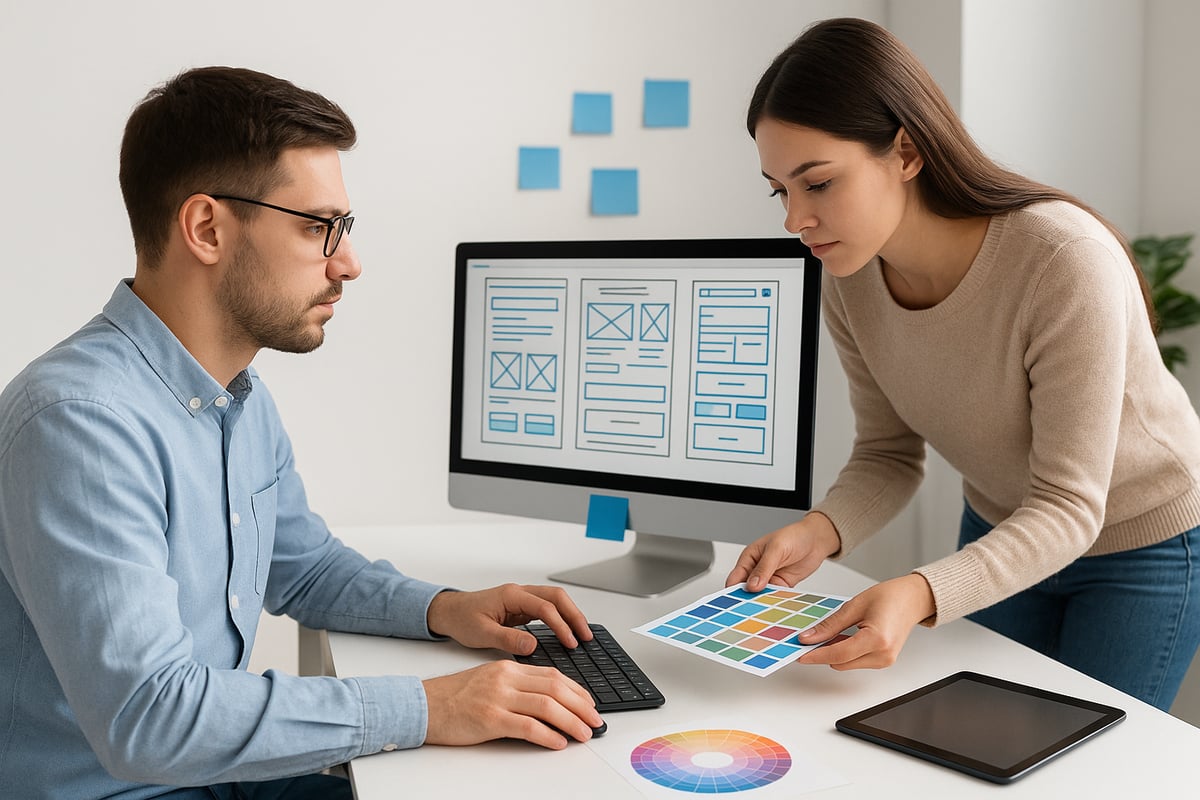
Web design ux teams often find themselves converging on shared objectives: crafting digital spaces that are both visually appealing and user-friendly. The intersection is most evident during collaborative phases such as wireframing, prototyping, and usability testing.
Both disciplines prioritize user needs, though their approaches differ. Web design focuses on the visual structure, ensuring that the site’s look and feel aligns with branding. UX design, meanwhile, emphasizes seamless navigation and emotional resonance. When these elements combine, the result is an engaging and intuitive experience.
For example, a homepage redesign often involves joint efforts. A web designer might create a compelling layout while the UX designer refines user flows to minimize friction. Tools like Figma and Sketch support this synergy, making it easier to iterate and test designs together.
To learn more about how UX principles are woven into web design ux projects, see UX in Web Design Explained.
Distinct Differences
While collaboration is vital, clear distinctions exist between web design ux responsibilities. Web design places visual appeal and branding at the forefront, while UX design prioritizes usability and research-driven improvements.
| Aspect | Web Design | UX Design |
|---|---|---|
| Primary Focus | Visuals, branding | Usability, user journeys |
| Key Outputs | Layouts, color schemes | Wireframes, prototypes |
| Main Tools | Photoshop, HTML/CSS | User testing, analytics |
| Typical Tasks | Graphics, typography | Personas, journey mapping |
Web designers often work with static elements, such as hero sections or image carousels. UX designers, on the other hand, analyze dynamic user flows, testing whether visitors can effortlessly navigate and complete tasks. For instance, a web designer may craft a visually stunning hero banner, while the UX designer evaluates if users immediately grasp its purpose or call to action.
Data shows that while 75% of website credibility comes from design, poor UX can negate even the best visuals. This highlights the need for both disciplines to work in tandem within the web design ux process.
Common Misconceptions
Despite their interconnectedness, several myths persist about web design ux roles. One common misconception is that web design is solely about aesthetics, ignoring the importance of structure and content strategy. Conversely, some believe UX is limited to usability or wireframes, overlooking its broader influence on business outcomes and user satisfaction.
Another myth is the idea that one discipline can replace the other. In reality, successful digital projects require the combined expertise of both web design and UX professionals. Each brings critical skills to the table, and omitting either can compromise the overall quality and effectiveness of a website.
Ultimately, understanding the real scope of web design ux enables businesses to assemble more capable teams, deliver better user experiences, and achieve sustainable growth.
How Web Design and UX Design Work Together
As digital projects become more complex, seamless collaboration between web design ux specialists is essential. Both disciplines share a common goal: to create digital experiences that are both visually engaging and highly usable.
This partnership is not just about aesthetics or functionality in isolation. Instead, it is about integrating creative vision with user-centered strategy to deliver measurable results.

The Collaborative Workflow
The workflow for web design ux collaboration typically involves several key stages. In the discovery phase, both teams gather requirements and define project goals. This is where user research and business objectives are aligned, setting the foundation for effective teamwork.
During ideation, web design ux experts brainstorm solutions, sketch concepts, and develop initial wireframes. These early visuals help both sides visualize the user journey and identify potential pain points.
Prototyping follows, where wireframes become interactive models. Here, web design ux specialists test layouts and flows before development begins. Usability testing is crucial, allowing for iterative improvements based on real user feedback.
Throughout these stages, clear communication ensures that creative ideas and user needs remain aligned. For example, a UX designer might flag a confusing navigation path, while the web designer proposes a visually intuitive fix. This ongoing dialogue helps teams avoid costly revisions and keeps the project on track.
Tools and Processes
Modern web design ux teams rely on a robust toolkit to streamline their workflow. Collaborative platforms like Figma, Adobe XD, and Sketch allow for real-time co-creation of wireframes, prototypes, and high-fidelity designs. These tools bridge the gap between visual design and user experience by supporting shared libraries, commenting, and version control.
User testing platforms play a pivotal role in validating design decisions. They enable teams to collect feedback from target audiences, identify usability issues, and refine interactions. Agile methodologies are increasingly popular, promoting iterative cycles where web design ux professionals can quickly adapt to new insights.
Feedback loops are vital. Regular reviews and testing sessions ensure that both visual appeal and usability are optimized. For actionable strategies on enhancing the user experience across your site, see Optimize the User Experience.
Effective communication is the backbone of a successful process. Daily stand-ups, design critiques, and shared documentation help both disciplines stay in sync and focused on shared goals.
Real-World Example
Consider an e-commerce brand undergoing a complete rebranding. The project begins with web design ux teams collaborating to understand the target market and business objectives. UX research uncovers that users are abandoning carts due to a confusing checkout flow.
Web design ux collaboration leads to a redesigned interface with clearer calls to action and simplified navigation. The web designer enhances the visual hierarchy while the UX designer ensures each step is intuitive. After several rounds of prototyping and testing, the new design launches.
The results are impressive. Sites that integrate web design ux expertise see session durations increase by two to three times. Conversion rates climb as users find the site easier and more enjoyable to use. This example highlights the measurable value of combining both skill sets for business growth.
Web Design vs. UX Design: Skills, Tools, and Career Paths
Understanding the distinct skills and career trajectories in web design ux is essential for anyone looking to thrive in the digital landscape of 2026. Both fields require specialized expertise, but their focus and day-to-day demands vary significantly.
Essential Skills for Web Designers
Web design ux professionals must balance artistry and technical know-how. Key skills include:
- Visual design and color theory
- Typography and layout principles
- HTML, CSS, and responsive design
- Familiarity with branding guidelines and design systems
- Content production and basic SEO
A strong portfolio showcasing these abilities is vital. Certifications in web technologies or design software also enhance credibility. It is common for web designers to collaborate closely with graphic designers, yet the roles are distinct. For more on this, see Web Design vs Graphic Design.
| Skill | Web Designer |
|---|---|
| Visual Design | Expert |
| HTML/CSS | Proficient |
| Branding | Strong |
Essential Skills for UX Designers
UX designers in the web design ux space focus on user-centric problem-solving. Their core competencies include:
- Conducting user research and creating personas
- Wireframing, prototyping, and information architecture
- Usability testing and data analysis
- Accessibility standards and behavioral psychology
- Documenting user flows and case studies in portfolios
UX professionals must remain empathetic and analytical, always advocating for user needs. A compelling UX portfolio often highlights research insights, test results, and iterative improvements. Mastery of tools like Figma or Sketch is expected, alongside a working knowledge of accessibility guidelines.
Career Pathways and Industry Demand
The demand for web design ux roles continues to rise as businesses prioritize digital transformation. Common career paths include Web Designer, UI Designer, UX Designer, and Interaction Designer. Each offers unique opportunities for growth and specialization.
Industry data shows strong job prospects. For instance, Job growth for Web Developers and Digital Designers projected at 8% from 2023 to 2033, reflecting the ongoing need for skilled web design ux professionals. Salaries are competitive, with UX roles often commanding higher averages due to the strategic impact of their work. Many professionals transition between roles as their interests evolve, making this a dynamic field with robust mobility.
Trends Shaping Web Design and UX in 2026
Digital innovation is rapidly transforming the landscape of web design ux as we approach 2026. Staying competitive means keeping pace with technology, user needs, and ethical considerations. Let’s explore the trends redefining web design ux for the future.
Emerging Technologies
AI is set to revolutionize web design ux by enabling hyper-personalized and adaptive interfaces. Machine learning algorithms will analyze user data to deliver content and layouts tailored to individual preferences. Automated design tools will streamline workflows, allowing designers to focus on creativity and strategy.
Voice user interfaces (VUI) and conversational UX are becoming mainstream, making digital experiences more accessible and intuitive. The integration of AR and VR will offer immersive interactions, especially in industries like retail and education. For a deeper look at these innovations, see how AI-powered personalization in web design is shaping the next generation of websites.
As web design ux evolves, expect these technologies to become essential components of the modern digital toolkit.
Evolving User Expectations
Today’s users expect seamless, personalized, and accessible experiences across every device. As web design ux adapts, mobile-first strategies and omnichannel consistency will become non-negotiable. Brands are leveraging microinteractions and subtle animations to enhance engagement while maintaining usability.
Inclusivity is gaining prominence, with designers prioritizing accessibility for all users. The demand for real-time personalization is pushing brands to adopt smarter UX solutions. By aligning with these evolving expectations, organizations can foster loyalty and stand out in a crowded digital marketplace.
Sustainable and Ethical Design
Sustainability is emerging as a core value in web design ux. Designers are optimizing websites to reduce energy consumption through efficient coding, lightweight assets, and responsible hosting. Ethical considerations are also rising, with increased focus on privacy, transparency, and consent in UX workflows.
Brands are adopting green design practices to appeal to environmentally conscious consumers. At the same time, ethical UX ensures that user trust remains central to every interaction. This balanced approach is setting new industry standards for responsible digital presence.
Data-Driven Design Decisions
Analytics are at the heart of effective web design ux. Designers rely on user data to measure performance, identify pain points, and inform iterative improvements. A/B testing different layouts or checkout flows provides actionable insights that drive higher engagement and conversions.
Emphasizing user-centric design can yield impressive results. For instance, user-centric design increases conversion rates by up to 220%, proving the tangible value of a data-driven approach. Continuous testing and feedback loops are now standard practice, ensuring every decision is backed by real user behavior.
Future Skills and Learning Resources
To excel in web design ux, professionals must embrace continuous learning. Mastering new tools, frameworks, and methodologies will be crucial as trends shift. Skills in AI, accessibility, analytics, and ethical design are becoming increasingly valuable.
Resources like online courses, industry blogs, and design communities offer ongoing support for staying ahead. Businesses and designers who prioritize skill development will be better equipped to adapt and thrive in the fast-paced digital world.