

The digital landscape is shifting quickly. Is your business prepared to keep up with the next wave of design and seo challenges in 2026?
As competition intensifies, adopting future-ready strategies is essential. This article uncovers nine powerful tips that will help you master both design and seo, ensuring your website captures attention and achieves higher rankings.
You’ll gain actionable insights on AI integration, mobile-first strategies, user experience, accessibility, and more. Each recommendation is crafted to help you thrive in a rapidly changing environment.
Stay ahead of the curve and turn these expert-backed strategies into your blueprint for success.
The Evolving Relationship Between Design and SEO
The interplay between design and SEO is rapidly transforming as digital expectations rise. For businesses aiming to thrive in 2026, understanding this evolving relationship is crucial. Sites that prioritize both design and SEO are poised to capture more organic traffic and foster trust in their brand.

The Symbiosis of User Experience and SEO
Modern search algorithms now place a premium on user experience signals such as dwell time and bounce rate. This shift means that design and SEO are no longer separate disciplines. A seamless user journey, intuitive navigation, and accessible content all directly influence how search engines evaluate your site.
Investing in both design and SEO delivers measurable returns. According to The HOTH, SEO web design can generate up to 12.2x ROI, while thoughtful UX investments may yield up to 9,900% ROI. For instance, websites with clear menus, fast load times, and optimized on-page content consistently outperform those that focus solely on aesthetics without SEO structure.
Consider the example of two competing e-commerce sites. The first leverages balanced design and SEO, using responsive layouts and keyword-optimized product pages. The second relies only on flashy visuals. The first not only ranks higher but also converts more visitors. This demonstrates the critical need to balance both elements.
The days of keyword stuffing are long gone. Today, search engines reward holistic, concept-driven content. Google’s move to mobile-first indexing and the integration of Core Web Vitals have raised the bar, requiring design and SEO teams to work together more closely than ever. For actionable guidance on how design choices impact SEO, explore the best website design for SEO.
Key Trends Shaping 2026
Looking ahead, several trends are redefining how design and SEO intersect. AI-driven search is taking center stage as large language models now interpret meaning, context, and topical authority rather than just keywords. This means content must be structured for both humans and machines.
Answer engine optimization (AEO) and structured data are vital as search engines evolve to provide direct answers. Accessibility and inclusive design are also gaining traction, impacting both rankings and audience reach. Sites that ignore these elements risk losing visibility and alienating users.
Security and privacy are now fundamental to design and SEO success. Search engines increasingly consider HTTPS, data protection, and compliance as ranking factors. At the same time, mobile optimization remains non-negotiable, with mobile traffic projected to dominate web usage well into 2026.
In summary, mastering design and SEO in 2026 means embracing AI, prioritizing accessibility, and delivering secure, mobile-first experiences. Brands that adapt to these trends will maintain authority and outperform competitors.
9 Essential Tips For Design And SEO Success In 2026
Staying ahead in the digital world requires more than just surface-level adjustments. To thrive in 2026, you must integrate design and seo at every stage. Below are nine essential, actionable tips to future-proof your site and drive measurable results.

1. Prioritize Mobile-First and Responsive Design
Mobile-first is no longer optional. Google ranks your mobile version first, making it the foundation of design and seo success. Over 60% of web traffic now comes from mobile devices. If your site fails on mobile, users bounce quickly, which harms both experience and rankings.
To deliver a seamless mobile experience, use flexible grids, fluid images, and layouts that adapt to any screen. Responsive design is essential for keeping visitors engaged and supporting strong search performance.
Consider these steps:
- Test your site with Google’s Mobile-Friendly Test.
- Regularly audit for usability on different devices.
- Check font sizes, tap targets, and navigation menus to avoid common pitfalls.
E-commerce brands with mobile-optimized checkout pages often see higher conversion rates. When design and seo work together, your site not only looks good but performs at its peak.
2. Optimize Site Speed and Core Web Vitals
Site speed is a direct ranking factor and a pillar of user satisfaction. Google’s Core Web Vitals – Largest Contentful Paint (LCP), First Input Delay (FID), and Cumulative Layout Shift (CLS) – are now essential metrics for design and seo teams.
Improve speed by:
- Compressing images with formats like WebP.
- Leveraging browser caching.
- Minimizing CSS and JavaScript.
Lazy loading offscreen content can significantly boost performance. According to studies, a single second delay in load time can reduce conversions by 7%.
Retailers that prioritize speed usually see double-digit gains in organic traffic. Use tools such as Google PageSpeed Insights and Lighthouse to identify bottlenecks and monitor progress.
3. Implement AI and Automation for Smarter Optimization
AI is revolutionizing design and seo by streamlining research, content creation, and technical audits. AI-driven tools enable real-time A/B testing, personalization, and dynamic content updates based on user behavior.
Leverage automation for:
- Faster keyword research and content optimization.
- Predictive SEO strategies that adapt to trends.
- Enhanced user experiences with AI-powered chatbots and recommendation engines.
Brands using AI for optimization often see rapid improvements in topical authority and search visibility. Stay current with developments in AI SEO tools such as Jasper, SEMrush, and Surfer SEO to maintain your edge.
4. Create User-Centric Navigation and Intuitive UI
A logical site hierarchy benefits both users and search engines. Clear menus, breadcrumbs, and predictable navigation patterns are vital for effective design and seo.
Keep navigation simple:
- Limit clicks to key pages (ideally 2–3 from the homepage).
- Use readable fonts and high-contrast elements.
- Ensure layouts remain consistent across the site.
Sites with intuitive navigation report lower bounce rates and higher engagement. Test navigation with real users and heatmaps to uncover friction points. Avoid overcomplicated menus, as hidden content can frustrate users and hinder crawling.
For a practical guide to integrating these principles, explore web design tips for better ranking.
5. Focus on High-Quality, Relevant Content
Content is the backbone of design and seo. Address user intent, answer questions, and provide unique value on every page. The era of keyword stuffing is over; now, search algorithms favour topical depth and demonstrated expertise.
Best practices include:
- Regularly refreshing content to maintain visibility.
- Using multimedia (images, videos, infographics) to boost engagement.
- Ensuring each page serves a distinct purpose and avoids duplication.
Blogs that update evergreen content often see sustained ranking improvements. Add schema markup to enhance search snippets and boost answer engine optimization (AEO).
6. Enhance Accessibility and Inclusive Design
Accessibility is a legal and ethical priority, as well as a ranking signal for design and seo. Make sure your site is usable for everyone by:
- Using high colour contrast and scalable fonts.
- Providing alt text for all images.
- Ensuring keyboard navigation and screen reader compatibility.
Offer multiple content formats such as text, audio, and video to reach diverse audiences. Accessible sites attract more visitors and achieve stronger engagement metrics. Reference WCAG 2.2 guidelines and use accessibility testing tools to stay compliant.
7. Secure Your Website and Protect User Data
Security is integral to design and seo. Sites without SSL certificates face ranking penalties and lose user trust. Implement HTTPS across your site.
Key steps:
- Regularly update software and plugins.
- Use strong passwords and enable two-factor authentication.
- Manage user roles carefully to limit access.
Implement privacy-compliant cookie popups for GDPR and CPRA. Schedule automated backups and set up disaster recovery plans. Security breaches can devastate rankings and reputation, so proactive measures are essential.
8. Leverage Structured Data and Schema Markup
Structured data helps search engines understand your content, supporting better design and seo outcomes. Use schema for products, articles, FAQs, and local business info.
Benefits include:
- Increased eligibility for rich results and featured snippets.
- Improved visibility in AI-powered search answers.
- Higher click-through rates for marked-up content.
Stay updated as schema evolves for new content types like events, how-to guides, and videos. Validate your implementation with Google’s Rich Results Test and avoid over-marking or misusing schema.
9. Monitor Analytics and Continuously Improve
Analytics is the engine of ongoing design and seo success. Use Google Analytics 4 and Search Console to track organic traffic, bounce rates, conversions, and Core Web Vitals.
Set up custom dashboards for real-time insights. Conduct regular SEO and UX audits to identify opportunities for growth. Use heatmaps and user feedback to gather qualitative insights.
Iterative improvements based on analytics drive steady, long-term growth. Stay agile and adapt quickly to algorithm updates and shifts in user behaviour.
Future-Proofing Your Design and SEO Strategy
The digital environment for design and seo is evolving, and staying ahead means preparing for dramatic changes in how users find and interact with your website. Future-proofing your approach requires a blend of forward-thinking technology adoption and robust, scalable processes.

Preparing for AI-Driven Search and Personalization
AI is fundamentally changing the landscape of design and seo. Large Language Models (LLMs) and answer engines are now prioritizing topical authority, context, and user satisfaction over traditional keyword signals. As a result, your content must demonstrate expertise, authority, and trustworthiness (E-A-T) to remain visible.
Personalization is also taking center stage. Websites that adapt content and recommendations based on user behaviour and preferences see higher engagement and retention. For example, e-commerce platforms leveraging predictive personalization often report increased average order value and loyalty.
The shift in user search behaviour is accelerating. According to Gartner, search engine volume is projected to decline by 25% by 2026, as AI chatbots and virtual agents become more prevalent. To capture visibility, optimize for conversational queries, voice, and visual search.
Stay competitive by tracking AI-driven search trends for 2026, participating in industry forums, and continuously updating your design and seo strategy. Adapting to these trends ensures your site delivers both relevance and superior user experience.
Building a Sustainable, Scalable Web Presence
Scalability and sustainability are now cornerstones of effective design and seo. Adopting modular, component-based design systems enables your team to efficiently roll out updates and maintain consistency across all digital assets.
Sustainability is more than a buzzword. Optimizing your site for energy efficiency, using eco-friendly hosting, and streamlining code contribute to a faster, greener web presence. As your audience grows globally, prioritize internationalization and localization to ensure your content resonates across cultures and languages.
Successful brands foster strong collaboration between design, development, and seo teams. Documenting processes and workflows helps maintain continuity as your organization evolves. For instance, brands with scalable design systems can pivot quickly in response to market changes, keeping their design and seo efforts aligned with business goals.
Regularly review your infrastructure, update best practices, and invest in training. This approach keeps your design and seo strategy resilient against future disruptions and algorithm changes.
Actionable Checklist for 2026 Design and SEO Success
Ready to future-proof your site? Use this practical checklist to align your design and seo efforts for maximum impact in 2026. Each step is tailored for the evolving digital landscape.
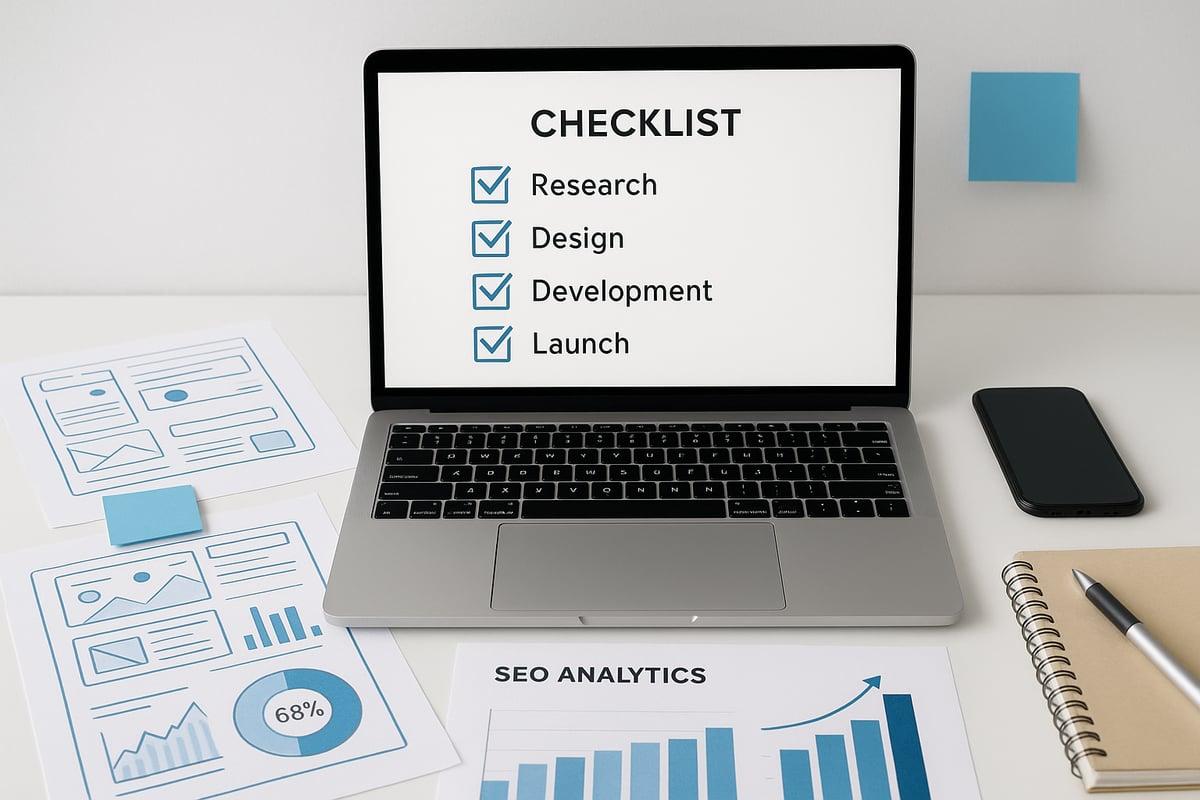
Comprehensive Checklist for Design and SEO Optimization
| Tip # | Focus Area | Key Tools | Review Interval |
|---|---|---|---|
| 1 | Mobile-First Design | Mobile-Friendly Test | Quarterly |
| 2 | Site Speed & Core Web Vitals | PageSpeed Insights, Lighthouse | Monthly |
| 3 | AI & Automation | Jasper, SEMrush, Surfer SEO | Bi-Monthly |
| 4 | Navigation & UI | User Testing, Heatmaps | Quarterly |
| 5 | Quality Content | Google Search Console, Schema Markup | Monthly |
| 6 | Accessibility | WCAG Checkers, Screen Readers | Quarterly |
| 7 | Security | SSL, Security Scanners | Monthly |
| 8 | Structured Data | Rich Results Test | Bi-Monthly |
| 9 | Analytics & Improvement | GA4, Custom Dashboards | Ongoing |
Step-by-Step Actions:
- Assess your current mobile experience. Run usability audits and optimize layouts with responsive frameworks. Use flexible grids and test with Google’s Mobile-Friendly Test for the best design and seo results.
- Boost site speed and Core Web Vitals. Compress images, minimize code, and regularly monitor performance using PageSpeed Insights. Even a minor speed improvement can drive significant SEO gains.
- Adopt AI tools for smarter optimization. Implement real-time A/B testing, automate keyword research, and use AI-powered content tools to find new ranking opportunities.
- Refine navigation and user interface. Simplify menus, use clear breadcrumbs, and test with real users. For further insights, explore how to optimize the user experience.
- Create high-quality, relevant content. Address user intent, avoid keyword stuffing, and refresh evergreen posts. Use schema markup to enhance visibility in AI-powered search.
- Ensure accessibility and inclusive design. Follow WCAG 2.2 guidelines, add alt text, and provide content in multiple formats to reach all users.
- Secure your website and protect user data. Enforce HTTPS, update software, and implement privacy-compliant features to maintain trust and rankings.
- Leverage structured data and schema markup. Use appropriate schema types and validate with Google’s Rich Results Test to increase eligibility for rich search features.
- Continuously monitor analytics and improve. Set up dashboards in GA4, track KPIs, and iterate based on data. For more strategies, check out these SEO tips for website performance.
Implementation Roadmap:
- Prioritize based on current weaknesses. Start with critical issues like mobile usability and security, then address speed, content, and structured data.
- Schedule regular audits. Review your design and seo performance quarterly, and stay updated with industry shifts.
- Commit to ongoing education. Trends evolve quickly, so keep learning to maintain a competitive edge.
A holistic, user-first approach to design and seo sets the foundation for sustainable growth in 2026 and beyond.