
Are you ready for the future of web design and graphic design? The digital landscape is changing fast, reshaping how companies connect with users and how brands tell their stories.
In this article, we reveal the 8 most influential trends set to define web design and graphic design in 2026. From AI-driven personalization to immersive AR and VR experiences, sustainable practices, and data-powered creativity, these trends are transforming the way we design for impact.
Curious about how to stay ahead in this competitive space? Whether you are a designer, marketer, or business owner, now is the time to lead innovation. Discover the trends you need to know and start future-proofing your strategy today.
The Evolving Landscape of Design in 2026
The landscape for web design and graphic design is shifting rapidly as we approach 2026. Designers are seeing boundaries dissolve, technology accelerate creativity, user expectations rise, and data drive every decision. Let us explore how these forces are shaping the future for creators and businesses alike.

The Blurring Lines Between Web and Graphic Design
In 2026, web design and graphic design are more intertwined than ever. The fusion of digital and print mediums is creating a demand for hybrid designer roles. Teams are expected to deliver unified branding across every platform, requiring fluency in both disciplines.
Brands now seek professionals who can seamlessly transition between web design and graphic design tasks. This convergence is explored in graphic and web designer roles, highlighting how job descriptions are evolving. The impact is clear: workflows are more collaborative, and teams are cross-functional. According to recent industry data, employers increasingly hire multi-skilled designers to lead consistent branding projects.
The Influence of Technology on Creativity
Advancements in technology are expanding what is possible in web design and graphic design. AI-powered tools are transforming the creative process, from ideation to final execution. Solutions like Figma, Webflow, and Adobe’s AI features offer designers smarter ways to prototype and iterate.
Automation can streamline repetitive tasks, yet the human touch remains essential for storytelling and originality. As technology evolves, so do the skills required for success in web design and graphic design. Designers must now blend traditional artistry with technical fluency, ensuring their work stands out in a crowded digital space.
User Expectations and Accessibility
Users expect more from web design and graphic design than ever before. Inclusive and accessible design is no longer optional, but a standard that shapes every project. Legal and ethical considerations, such as ADA compliance, are top priorities for brands aiming to reach diverse audiences.
Leading companies are prioritizing accessibility-first strategies. They integrate features like high-contrast visuals, voice navigation, and customizable interfaces. Data consistently shows that accessible sites achieve higher engagement rates, making accessibility a win for both users and businesses in web design and graphic design.
The Importance of Data-Driven Design Decisions
Designers now rely on analytics and user feedback to guide every stage of web design and graphic design projects. Data-driven decisions inform changes, from color palettes to layout structures, ensuring that designs meet real-world needs.
A/B testing and iterative processes allow teams to refine user experiences and improve conversions. Many organizations now integrate their design and marketing teams, creating cohesive strategies that align with business goals. Case studies reveal that data-backed changes lead to measurable improvements, proving that a data-centric mindset is essential for future-ready web design and graphic design.
8 Key Trends in Web Design and Graphic Design for 2026
As we look toward 2026, the landscape of web design and graphic design is evolving faster than ever before. Emerging technologies, shifting user preferences, and new ethical imperatives are driving change across every creative discipline. The following eight trends are shaping the future of visual communication, offering fresh opportunities for designers, marketers, and business leaders to stand out in a crowded digital world.
1. AI-Driven Personalization and Automation
AI is revolutionizing web design and graphic design by enabling real-time, data-driven personalization at scale. Designers now use AI-powered tools to generate custom visuals, layouts, and content that adapt to each user’s preferences, device, and browsing behavior. For example, e-commerce platforms can automatically display product recommendations, while marketing sites adjust imagery and messaging based on user demographics.
Automation extends beyond layout to include content adaptation, color schemes, and even font choices. Visual assets can be tailored on the fly, ensuring a unique experience for every visitor. This boosts engagement and retention, as users see content that feels relevant and personal.
However, the adoption of AI in web design and graphic design brings challenges. Maintaining a consistent brand identity across automated outputs requires careful oversight. Ethical considerations, such as transparency and data privacy, are also top of mind for forward-thinking organizations.
According to industry research, the use of AI-powered design tools is expected to double by 2026. For a deeper dive into how AI is transforming design, see AI-powered personalization in design.
| Benefit | Example |
|---|---|
| Increased engagement | Personalized product recommendations |
| Improved efficiency | Automated asset resizing for devices |
| Enhanced scalability | Dynamic graphics for global audiences |
With these advancements, web design and graphic design are becoming more adaptive, efficient, and impactful than ever.
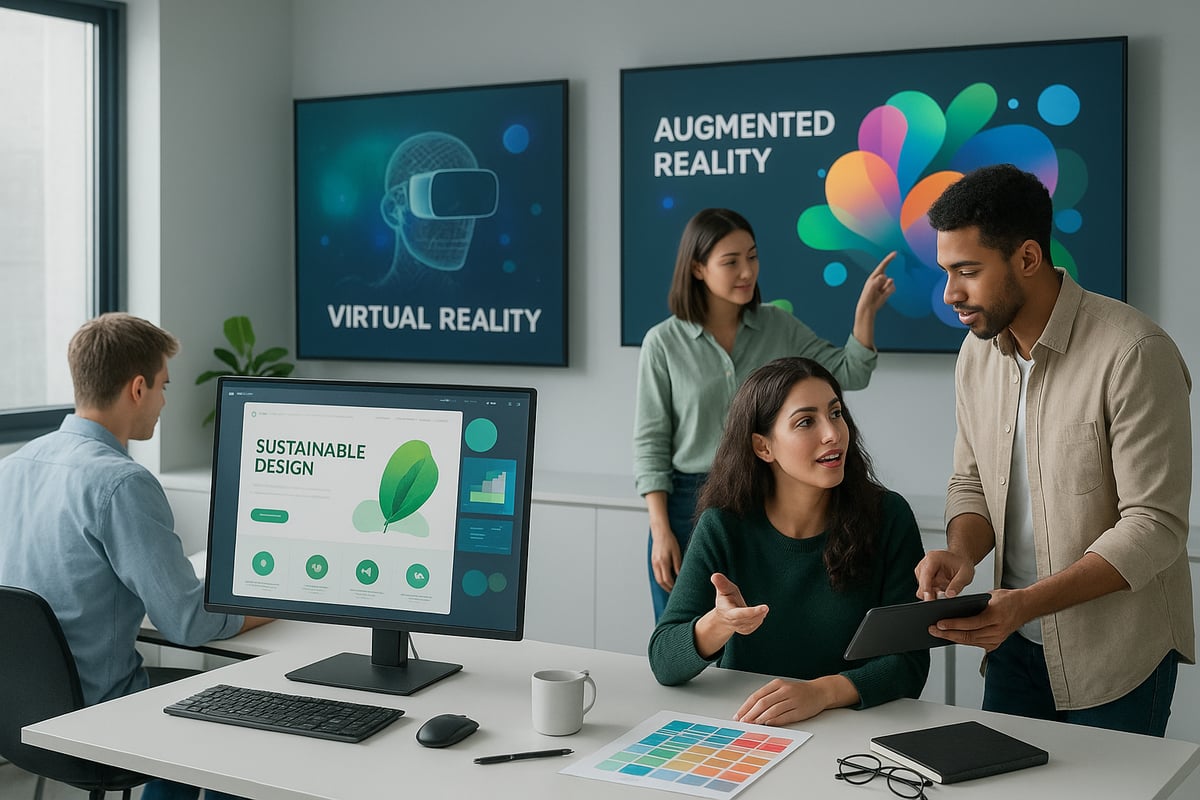
2. Immersive Experiences: AR, VR, and 3D Design
Immersive technologies are breaking new ground in web design and graphic design. Augmented reality (AR) and virtual reality (VR) allow brands to offer interactive experiences that go far beyond static visuals. From virtual showrooms to interactive product demos, businesses are using 3D elements to create memorable, engaging journeys for users.
3D design is becoming mainstream, with product displays, branding, and storytelling all leveraging depth and motion. AR packaging, for instance, can turn a simple box into an interactive brand experience when viewed through a smartphone. Tools like Blender, Three.js, and Unity are making it easier for designers to integrate immersive assets into their workflows.
The impact on user engagement is significant. Interactive environments encourage exploration and longer site visits. Studies show that immersive elements can increase conversion rates and brand recall, making them a powerful tool for marketers.
Web design and graphic design professionals must now develop skills in 3D modeling, animation, and spatial storytelling. As AR and VR hardware becomes more accessible, expect these experiences to become standard across industries.
3. Hyper-Accessible and Inclusive Design
Accessibility is now a core requirement in web design and graphic design, not just a feature. Brands are prioritizing universal design principles to ensure digital experiences are usable by everyone, including people with disabilities. This includes advanced features like voice navigation, customizable interfaces, and high-contrast visuals.
Legal guidelines, such as the Americans with Disabilities Act (ADA), are pushing organizations to take accessibility seriously. The benefits extend beyond compliance. Accessible sites see higher engagement, broader reach, and improved reputation.
Leading brands are building accessibility into their entire workflow. For example, some organizations conduct user testing with people of varying abilities and use tools to audit color contrast and screen reader compatibility.
Inclusive design is not only ethical but also good business. Data shows that accessible sites attract a wider audience and foster stronger brand loyalty. In 2026, web design and graphic design that prioritize inclusivity will set the standard for digital excellence.
4. Sustainable and Eco-Conscious Design Practices
Sustainability is shaping the future of web design and graphic design. Designers are making eco-friendly choices, such as using low-energy color palettes, optimizing image sizes, and choosing green hosting providers. These steps reduce the carbon footprint of digital products.
Print and digital production processes are also evolving. Sustainable materials, recycled paper, and energy-efficient printing methods are gaining traction. Brands are weaving environmental responsibility into their visual identity, from website themes to packaging design.
Consumers, especially Gen Z and Millennials, are demanding that brands take action on climate issues. Data suggests that sustainability is a key decision factor for these groups. Companies that embrace eco-conscious design not only protect the planet but also win customer loyalty.
Web design and graphic design professionals can lead by example, championing green initiatives and promoting transparency. As digital experiences proliferate, sustainable practices become both a competitive advantage and a moral imperative.
5. Micro-Interactions and Motion Design
Micro-interactions and motion design are redefining user experience in web design and graphic design. Subtle animations, such as button hovers, loading indicators, and feedback cues, guide users and create delightful moments throughout digital journeys.
These small touches enhance usability, making interfaces feel more intuitive and responsive. For example, a micro-interaction might confirm a successful form submission or highlight a selected menu item with a gentle animation.
Modern tools enable designers to create lightweight, accessible motion graphics that don’t compromise performance. Micro-interactions are especially effective on mobile devices, where gesture-based navigation is common.
Data shows that sites with well-crafted motion design see higher retention and satisfaction rates. As users expect seamless, engaging interactions, web design and graphic design must integrate motion as a key ingredient for success.
6. Minimalism and Maximalism: The Dual Aesthetic Movement
Minimalism and maximalism are both making waves in web design and graphic design. Minimalist interfaces emphasize clarity, whitespace, and essential elements, creating calm and focused user experiences. This approach is ideal for e-commerce, SaaS, and brands seeking a modern, sophisticated look.
Conversely, maximalism embraces bold colors, intricate patterns, and expressive imagery. It’s perfect for campaign pages, creative portfolios, or brands wanting to make a strong visual statement. The key is knowing when to use each style based on brand identity and audience preferences.
Many organizations now blend these aesthetics, balancing simplicity with visual impact. For instance, a minimalist layout might use a maximalist hero image to capture attention. Data indicates that users respond well to both styles when applied thoughtfully.
In 2026, web design and graphic design are all about versatility, allowing brands to adapt their visual language for different contexts and goals.
7. Advanced Typography and Variable Fonts
Typography is taking center stage in web design and graphic design. Variable fonts offer responsive, dynamic type that adapts seamlessly to different screen sizes and devices. Designers can now animate text, adjust weight and width in real time, and create visually rich experiences without sacrificing performance.
Creative use of type as a primary design element is on the rise. Brands leverage kinetic typography for storytelling, using motion and scale to convey emotion and hierarchy. Tools like Adobe Fonts and Google Fonts provide access to a vast array of variable fonts, empowering designers to experiment and innovate.
Accessibility remains a key concern. Modern typography tools ensure high contrast and readability for all users, supporting inclusive design goals. Additionally, efficient font loading improves site speed, benefiting user experience and SEO.
As typography evolves, web design and graphic design become more expressive and adaptable, helping brands communicate with clarity and creativity.
8. Data Visualization and Storytelling Through Design
Data visualization is now fundamental to web design and graphic design. Brands are integrating live data feeds, interactive infographics, and animated charts to transform complex information into compelling stories. This approach enhances understanding and drives engagement.
Storytelling is at the heart of this trend. Real-time dashboards, data-driven campaigns, and visual reports help users make sense of key metrics and trends. Tools like Tableau, D3.js, and Flourish make it easier to create interactive, visually appealing graphics.
Research shows that people retain information better when it’s presented visually. Effective data visualization boosts decision-making and increases the impact of marketing messages.
Web design and graphic design professionals must master both the art and science of visual storytelling, ensuring that data-driven content is both accurate and engaging.
Integrating New Trends into Your Design Workflow
Adapting to the evolving world of web design and graphic design requires more than just awareness of the latest trends. Integrating these innovations into your workflow is essential for staying competitive and delivering exceptional results. The following strategies will help you future-proof your process and harness the full benefits of new design directions.

Upskilling and Continuous Learning for Designers
Continuous learning is crucial in the fast-changing field of web design and graphic design. Designers must regularly update their skills to work with emerging tools and trends. Online courses, webinars, and design communities provide accessible opportunities for professional growth.
Many successful designers have pivoted their careers by embracing new technologies, such as AI-powered design tools or advanced prototyping platforms. According to recent industry surveys, over 60% of designers retrain or upskill annually to maintain their competitive edge.
Learning about inclusive design principles for accessibility is particularly valuable, as accessibility remains a top priority. Prioritizing ongoing education ensures you stay ahead in web design and graphic design.
Collaboration Across Disciplines
Modern web design and graphic design projects increasingly demand cross-functional collaboration. Designers, developers, and marketers must work closely to deliver cohesive experiences. Tools like Figma, Miro, and Slack streamline communication and help teams share assets in real time.
Case studies show that cross-disciplinary teams drive innovation and accelerate project delivery. By leveraging each other's expertise, teams can solve complex problems more effectively. This collaborative approach also enhances the quality and impact of web design and graphic design outcomes.
Measuring the Impact of Trend Adoption
To ensure that new trends in web design and graphic design deliver results, teams must measure their impact. Key performance indicators (KPIs) such as user engagement, conversion rates, and retention provide valuable insights into design effectiveness.
Analytics platforms allow teams to track these metrics and compare performance before and after implementing changes. For example, A/B testing different layouts or features can highlight which innovations drive the most value. Data-driven evaluation ensures that web design and graphic design investments yield a strong return.
Overcoming Common Implementation Challenges
Implementing new trends in web design and graphic design often involves challenges like tight budgets or limited resources. Balancing creative innovation with existing brand guidelines may also require careful planning.
To gain stakeholder buy-in, present clear data and user feedback supporting your proposals. Pilot projects and phased rollouts can help manage risk and refine solutions before a full launch. Focusing on practical strategies ensures that your web design and graphic design initiatives succeed, even in the face of constraints.
Future-Proofing Your Design Strategy for 2026 and Beyond
As the digital landscape transforms, future-proofing your web design and graphic design strategy is essential to maintain a competitive edge. By anticipating emerging technologies, building adaptable frameworks, and embracing ethical practices, you can ensure your creative work is resilient and impactful in 2026 and beyond.

Anticipating the Next Wave of Innovation
The pace of innovation in web design and graphic design is accelerating. Staying ahead means keeping a pulse on emerging technologies like advanced AI, quantum computing, and immersive AR experiences.
Forward-thinking companies invest in research and pilot programs to experiment with new tools. For example, brands integrating AI-driven personalization or spatial computing have seen early adoption pay off with increased user engagement.
Industry forecasts indicate substantial growth for design roles specializing in new tech. By embracing change and remaining agile, your team can respond to shifting user preferences and future-proof your creative offerings.
Building Flexible and Scalable Design Systems
A robust design system is the backbone of successful web design and graphic design projects. Modular components, reusable patterns, and clear style guides enable teams to adapt quickly to new requirements.
Using platforms that support dynamic updates and collaboration ensures consistency across digital and print assets. Companies like Airbnb and IBM have shown that scalable design frameworks reduce workflow bottlenecks and accelerate time to market.
Investing in flexible systems empowers your team to manage brand evolution efficiently. This approach supports innovation while maintaining visual coherence as trends and technologies evolve.
Ethical Considerations in Modern Design
Ethics play a growing role in web design and graphic design. Designers must address privacy, inclusivity, and sustainability throughout the creative process.
For instance, adopting eco-friendly production methods and prioritizing accessibility not only fulfills legal standards but also builds consumer trust. Brands that lead with transparent, ethical practices are more likely to earn long-term loyalty.
To explore more about this shift, see how Sustainable and Ethical Design Practices are shaping the future of visual communication. Making ethics a cornerstone of your design strategy ensures your work remains relevant and respected.
Staying Ahead: Resources and Communities for Designers
Continuous learning is vital for anyone in web design and graphic design. Engaging with industry communities, attending conferences, and leveraging trend-tracking platforms keeps you informed and inspired.
Top resources include online forums, mentorship programs, and curated newsletters. Participating in these networks fosters collaboration and sparks creative solutions.
By tapping into global design communities, you gain access to fresh perspectives and practical insights. This proactive approach helps you adapt to change and maintain a leadership position in the evolving world of design.