


Imagine launching a store website in 2026 that instantly grabs attention and keeps visitors engaged. The right store website design is your key to converting shoppers and standing out in a crowded digital landscape.
This comprehensive guide will show you every step needed to create a high-performing, future-ready online store. You’ll discover proven strategies for planning, design, and user experience.
We’ll cover the latest trends, essential features, AI integration, and optimization tips. Ready to build a standout store? Dive in and future-proof your business with actionable advice and expert insights.
Understanding the 2026 Store Website Landscape
In 2026, store website design is transforming at a rapid pace. Businesses must keep up with evolving standards, shifting consumer expectations, and breakthrough technologies. Let us explore the key forces shaping the digital commerce space and what they mean for your next store website project.

The Evolution of E-commerce Design
Over the last decade, store website design has undergone a dramatic shift. Early designs focused on static layouts and desktop users. Now, mobile-first approaches and omnichannel experiences are the norm, catering to shoppers who expect seamless interactions across devices.
The emergence of headless commerce and composable architectures has empowered businesses to decouple the frontend and backend, offering greater flexibility and speed. Personalization, powered by AI, is no longer optional. Shoppers expect relevant content, product recommendations, and dynamic experiences tailored to their needs.
Mobile commerce continues to dominate, with projections indicating it will account for 72.9% of all e-commerce sales by 2026 (Statista). These trends underscore the need for businesses to master e-commerce website design principles that address both innovation and usability. Store website design must now balance creativity with robust, scalable infrastructure.
Key Consumer Expectations in 2026
Today’s shoppers are more discerning than ever. They demand speed, convenience, and frictionless navigation. Store website design must deliver lightning-fast load times and intuitive layouts that help users find what they need with minimal effort.
Accessibility and inclusivity are non-negotiable. Modern websites must cater to users of all abilities, ensuring compliance with global standards. Trust signals like security badges, transparent return policies, and visible social proof are essential for building confidence.
According to Salesforce, 88% of online shoppers say user experience is as important as the products themselves. With expectations this high, even minor lapses in user experience can impact sales and reputation.
The Competitive Edge: Why Design Matters
A well-executed store website design can be the difference between a thriving business and a missed opportunity. Studies show a strong correlation between design quality and conversion rates. Sites with superior user experience can achieve up to 400% higher conversion rates (Forrester).
Modern design is not just about aesthetics. It builds brand trust and loyalty, setting businesses apart from competitors. Elements like clear navigation, consistent branding, and engaging visuals contribute to a memorable and effective shopping experience.
Investing in exceptional store website design is a strategic move. It turns visitors into loyal customers and amplifies word-of-mouth recommendations.
Emerging Technologies Shaping Store Websites
The future of store website design is shaped by cutting-edge technologies. AI-powered personalization engines analyze user behavior to deliver custom recommendations. Chatbots and virtual assistants automate support, offering immediate help and reducing operational costs.
Voice commerce and visual search are gaining popularity, making it easier for users to discover products. Augmented Reality (AR) enables customers to visualize items in their own environments, boosting confidence and engagement. Deloitte reports that 63% of shoppers prefer retailers who offer AR experiences.
Staying ahead with these innovations ensures your store website design remains competitive, relevant, and ready for the future.
Step 1: Strategic Planning for Your Store Website
Strategic planning is the backbone of successful store website design. Before building any pages, you need to clarify your brand, audience, goals, technology, and budget. This foundational work ensures your site is not only beautiful but effective and ready for the future.

Defining Your Brand and Audience
Every high-performing store website design starts with a clear brand identity. Define what makes your brand unique and articulate your value proposition. This clarity shapes the look, feel, and messaging across your site.
Develop detailed buyer personas to understand your ideal customers’ needs, behaviors, and preferences. Tailoring your store website design to specific personas increases engagement and loyalty. Niche stores that align branding and audience see higher engagement and repeat visits.
Setting Goals and KPIs
Effective store website design is driven by specific, measurable goals. Identify your primary objectives, such as increasing sales, generating leads, or boosting brand awareness. Set key performance indicators (KPIs) that align with these goals.
Common website KPIs include:
- Conversion rate
- Average order value
- Bounce rate
- Customer acquisition cost
For 2026, industry benchmarks suggest that top-performing store website design projects aim for conversion rates above 4%. Regularly track and adjust your KPIs to stay on target.
Choosing the Right Platform and Tech Stack
Selecting the right platform is a critical decision in store website design. Evaluate leading options like Shopify, WooCommerce, Magento, and BigCommerce, considering scalability, integrations, usability, and cost.
| Platform | Pros | Cons |
|---|---|---|
| Shopify | User-friendly, scalable | Monthly fees |
| WooCommerce | Flexible, WordPress-based | Requires more setup |
| Magento | Highly customizable | Complex, resource-heavy |
| BigCommerce | Robust features, easy setup | Fewer themes |
Consider whether headless commerce or traditional platforms best fit your store website design needs. Headless options offer more flexibility for custom experiences but may require more resources.
Mapping the Customer Journey
A seamless customer journey is central to effective store website design. Outline each touchpoint from landing page to checkout, and identify potential friction points.
Key touchpoints include:
- Homepage entry
- Product discovery
- Cart and checkout process
- Post-purchase follow-up
Reducing friction, such as cart abandonment, is crucial. Explore User experience design tips to optimize each stage of the journey and ensure your website meets modern expectations.
Budgeting and Timeline Planning
A successful store website design project requires realistic budgeting and scheduling. Estimate costs for:
- Design and development
- Platform fees and integrations
- Ongoing maintenance and updates
- Marketing and promotion
Set achievable timelines for each project phase, allowing flexibility for unexpected changes. Proper planning minimizes delays and ensures your store website design launches smoothly, ready to scale as your business grows.
Step 2: Designing a High-Impact Store Website
Building a standout store website design in 2026 means much more than good looks. It requires a strategic blend of usability, branding, accessibility, trust, and sustainability. Let’s break down each element that shapes a high-impact store website design for the future.
Crafting a User-Centric Layout
User experience stands at the heart of store website design. Today’s shoppers expect sites to be intuitive, fast, and visually engaging. Clear navigation menus, logical hierarchies, and consistent CTAs guide visitors smoothly from arrival to checkout.
Responsive, mobile-first frameworks ensure your store website design looks and functions perfectly on every screen. With over 60 percent of traffic coming from mobile devices, prioritizing mobile usability is non-negotiable. Incorporating interactive elements and immersive visuals, as seen in Immersive and Interactive Web Design Trends, keeps users engaged and encourages exploration.
- Simple, sticky navigation
- Prominent search and filter tools
- Logical product categorization
A user-centric approach not only delights customers but also drives higher conversion rates.
Visual Branding and Aesthetics
Consistent visual branding is essential for store website design. Choose a harmonious color palette, readable typography, and authentic product imagery that reflect your brand’s personality. Micro-interactions, such as subtle hover effects or animated buttons, add polish and keep engagement high.
Research shows brands with strong visual identity see 3.5 times more customer loyalty. Every visual element should reinforce trust and recognition, making your store website design memorable and professional.
- Brand colors and fonts used sitewide
- High-quality, original images
- Engaging micro-animations
Thoughtful aesthetics build an emotional connection with your audience.
Essential Pages and Features
A future-ready store website design includes all the core pages and features customers expect. At minimum, your site should have:
- A welcoming homepage
- Informative product and category pages
- A simple, secure checkout
- About and contact pages
Advanced features like smart search, product filtering, wishlists, and reviews are now standard. Adding product videos can increase purchases by 144 percent, making multimedia integration a must for modern store website design.
These features streamline the shopping journey and help turn visitors into loyal buyers.
Accessibility and Inclusivity
Designing your store website design for everyone is not just ethical, it’s smart business. Over 15 percent of the world’s population has a disability. Ensure your site meets WCAG 2.2 and ADA guidelines by:
- Providing sufficient color contrast
- Enabling keyboard navigation
- Writing descriptive alt text for images
Accessible design opens your store website design to a wider audience, improves SEO, and demonstrates your commitment to inclusivity.
Trust-Building Elements
Trust is a key driver of sales in store website design. Display security badges and clear return policies to reassure shoppers. Feature customer testimonials and user-generated content, as 92 percent of consumers trust peer recommendations.
- Visible trust signals in the footer and checkout
- Star ratings and authentic reviews
- Transparent privacy and shipping policies
Building credibility encourages more users to complete their purchases and return in the future.
Sustainable and Ethical Design Practices
Sustainability is becoming a core expectation in store website design, especially among younger shoppers. Eco-friendly hosting, minimal-impact visuals, and clear information on sustainable packaging can differentiate your brand.
- Use green energy for hosting
- Minimize heavy graphics and videos
- Highlight ethical sourcing and business practices
According to research, 73 percent of Gen Z shoppers prefer sustainable brands. Embedding these values into your store website design can boost loyalty and attract conscious consumers.
Ecom Design Pro: Expert Strategies for Store Website Design
Ecom Design Pro offers actionable guides and expert strategies for every aspect of store website design. Their resources cover UX, branding, conversion optimization, AI, accessibility, and the latest trends.
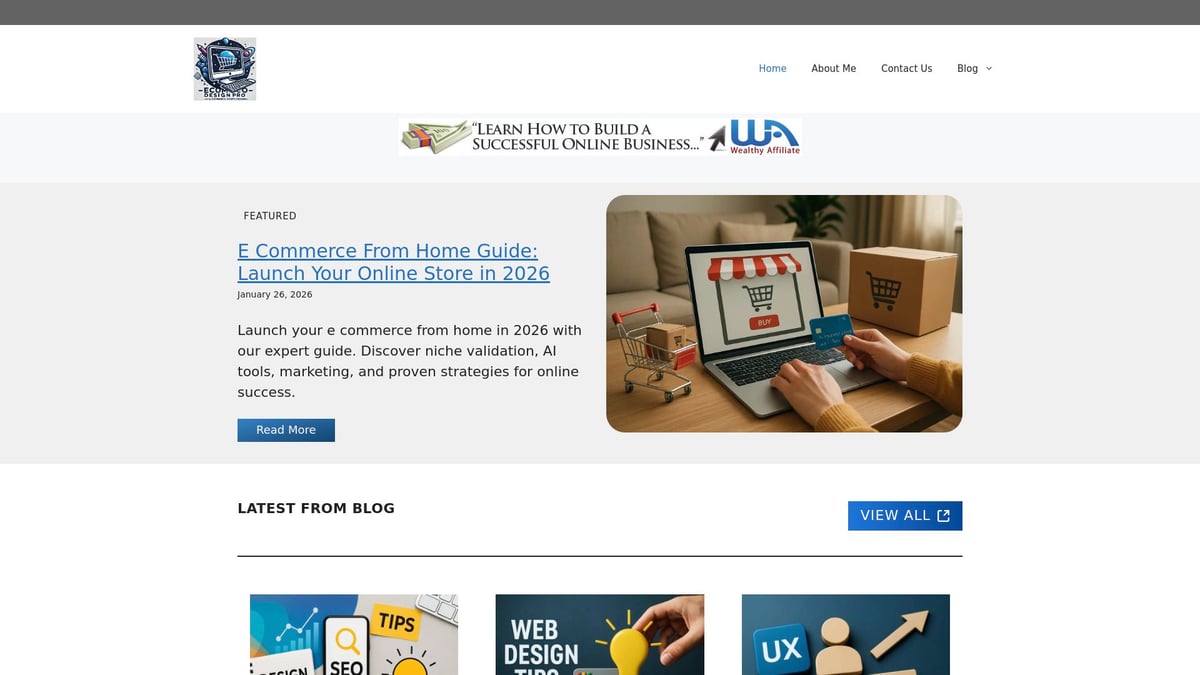
With real-world case studies and practical tips, Ecom Design Pro helps businesses stay ahead in the evolving landscape of store website design. Explore their insights to build a store that stands out in 2026 and beyond.
Step 3: Integrating Advanced Features and AI Technologies
Future-ready store website design is no longer just about visual appeal. Integrating advanced features and AI technologies has become essential for businesses aiming to deliver seamless, custom shopping experiences. By leveraging these tools, you can position your store website design at the forefront of innovation and customer satisfaction.

Personalization Engines and Recommendation Systems
Personalization is now the heartbeat of effective store website design. AI-driven engines analyze browsing habits, purchase history, and demographics to deliver tailored product recommendations in real time. This level of customization not only boosts engagement but also increases average order value.
For instance, personalized experiences can drive up to 20 percent more sales, according to McKinsey. Advanced AI systems go beyond basic suggestions, adapting to user behavior dynamically and improving over time. If you want to learn more about how these tools are shaping the future, explore AI-Powered Personalization in E-commerce.
By embedding these systems into your store website design, you ensure every customer feels understood and valued, setting your business apart from competitors.
AI-Powered Chatbots and Virtual Assistants
AI-powered chatbots are transforming customer support in store website design. These intelligent assistants answer questions, guide shoppers, and resolve issues instantly, regardless of the time or device.
Businesses now use chatbots to automate order tracking, product queries, and even upselling. With 80 percent of companies employing chatbots for customer service, this technology is a proven way to enhance user satisfaction and reduce response times.
A well-integrated chatbot not only streamlines communication but also collects valuable data to improve your store website design further. The end result is a more efficient, user-friendly shopping experience.
Visual and Voice Search Capabilities
Modern consumers expect intuitive search options as part of their store website design. Visual search lets users upload images to find similar products, while voice search provides hands-free convenience.
AI-enhanced search tools interpret images and spoken queries, delivering fast, accurate results. By 2026, it is predicted that half of all searches will be voice-based, making this feature crucial for staying competitive.
Implementing visual and voice search helps users discover products effortlessly, reduces friction, and keeps your store website design accessible to a wider audience.
AR and VR for Product Visualization
Augmented Reality (AR) and Virtual Reality (VR) are revolutionizing how customers interact with products online. By integrating AR, your store website design allows shoppers to visualize items in their own environments before purchasing.
This immersive experience builds confidence and reduces returns. Shopify data shows AR-enabled products can achieve up to 94 percent higher conversion rates compared to standard listings.
Offering AR and VR features in your store website design not only delights users but also demonstrates your commitment to innovation and customer-centricity.
Smart Inventory and Order Management
AI-driven inventory management is streamlining operations for modern e-commerce businesses. Automated systems forecast demand, monitor stock levels, and manage orders in real time.
This efficiency minimizes overstock and out-of-stock scenarios, saving costs and improving the customer journey. Smart management tools can also trigger automatic reorders and alert staff to anomalies.
By embedding these capabilities in your store website design, you ensure smoother operations and a consistent shopping experience for every customer.
Security Enhancements with AI
Security is non-negotiable in store website design. AI-powered solutions detect fraud, protect customer data, and ensure compliance with privacy regulations.
Machine learning algorithms monitor transactions for suspicious activity, reducing payment fraud by up to 50 percent. These tools also update security protocols automatically as new threats emerge.
Incorporating AI-driven security measures into your store website design fosters trust, safeguards your business, and keeps your customers safe.
Step 4: Optimizing for Conversion, SEO, and Performance
Building a high-performing store website design requires a focus on both user experience and technical excellence. Optimizing for conversion, search engines, and speed ensures your site not only attracts visitors but also turns them into loyal customers.
Conversion Rate Optimization (CRO) Tactics
Effective store website design starts with CRO strategies that turn visitors into customers. Begin by A/B testing layouts, calls-to-action, and checkout flows to identify what resonates best with your audience. Test different button colors, form placements, and even product image arrangements.
Here are proven CRO tactics every store should consider:
- Streamline checkout processes to minimize steps.
- Use urgency triggers like limited-time offers.
- Make forms short and mobile-friendly.
Remember, even a small improvement in store website design can lead to significant revenue gains. CRO tools can increase revenue by up to 30 percent. Since user preferences evolve, review your site regularly and iterate based on data.
SEO Best Practices for 2026
Optimizing your store website design for search engines is crucial for visibility and organic growth. In 2026, SEO will focus on semantic search, structured data, and voice search optimization. Fast-loading pages and mobile-first indexing are essential.
Key strategies include:
- Implementing schema markup for rich results.
- Using natural language and long-tail keywords.
- Optimizing for Core Web Vitals.
For a deeper dive, explore these SEO best practices for websites to ensure your store website design ranks ahead of the competition.
Performance Optimization
Speed is a key factor in store website design success. Slow-loading sites frustrate users and hurt conversions. Use image compression, lazy loading, and content delivery networks (CDNs) to optimize speed. Minimize JavaScript and optimize server response times for best results.
Consider this table for quick performance wins:
| Optimization | Impact |
|---|---|
| Image compression | Faster load times |
| Lazy loading | Improved UX |
| CDN integration | Global speed boost |
A one second delay in load time can reduce conversions by 7 percent, so prioritize performance at every stage.
Mobile Optimization and PWAs
Most users will visit your store website design from mobile devices. Responsive layouts, touch-friendly buttons, and quick-loading pages are now baseline requirements. Consider building Progressive Web Apps (PWAs) to deliver app-like experiences, including offline functionality and push notifications.
PWAs can increase engagement by 50 percent, making them an essential tool for future-ready store website design. Always test your site on multiple devices and screen sizes to guarantee a seamless experience.
Analytics and Continuous Improvement
Ongoing analytics are vital for optimizing store website design. Set up Google Analytics 4, use heatmaps, and gather user feedback to uncover friction points. Monitor key metrics like bounce rates, conversion rates, and loading speeds.
Adopt a mindset of continuous improvement. Use data-driven insights to refine layouts, content, and features. Regular updates based on analytics ensure your store website design evolves with customer expectations and technology.
Step 5: Launching, Testing, and Scaling Your Store Website
Preparing for launch is the final crucial phase of store website design. This step ensures your site not only goes live smoothly but also delivers a seamless, high-performing experience to every visitor.
Pre-Launch Checklist and QA
A successful store website design launch starts with meticulous quality assurance. Test your site across all browsers and devices to guarantee consistency. Check every form, link, and payment gateway for reliable performance. Accessibility and compliance should be top priorities, ensuring your site meets WCAG and ADA standards.
Use a detailed checklist before going live:
- Test navigation on mobile and desktop
- Verify SSL certificates and security badges
- Confirm all content is accessible with screen readers
- Review site speed and optimize images
For brands focused on ethical practices, integrating sustainable e-commerce website design principles can boost trust and long-term loyalty. This holistic approach safeguards your launch from costly oversights.
Launch Strategies for Maximum Impact
The right launch strategy amplifies the results of your store website design. Plan a coordinated campaign across email, social media, and influencer channels. Tease your launch with countdowns and special offers to build anticipation.
Top launch tactics include:
- Email announcements to your subscriber list
- Social media teasers with behind-the-scenes content
- Early-bird discounts for first-time buyers
- Collaborations with trusted influencers
Effective launch campaigns can increase day-one sales by two to five times. Set clear goals and monitor real-time analytics to measure your impact.
Post-Launch Monitoring and Support
After your store website design goes live, continuous monitoring is essential. Set up real-time alerts for errors and downtime to respond quickly. Establish clear customer support channels, including live chat and detailed FAQs.
Stay proactive by:
- Tracking site performance metrics daily
- Responding promptly to customer inquiries
- Updating your FAQ with common launch questions
This level of support helps build trust and keeps your store website design running smoothly.
Gathering Feedback and Iterating
Collecting user feedback is vital for ongoing success in store website design. Use surveys, email requests, and review prompts to gather insights from customers. Analyze heatmaps and behavior data to spot friction points.
Iterate by:
- Implementing quick fixes based on user suggestions
- Rolling out updates in response to common issues
- Sharing improvements with your audience to show you listen
A data-driven approach ensures your site evolves with user needs.
Scaling Your Store for Growth
Once your site is stable, scaling your store website design becomes the next priority. Expand into new markets by adding multilingual support and localized content. Integrate additional sales channels and automation tools to streamline operations.
Consider these growth tactics:
- Translate your store for international audiences
- Launch on new marketplaces and platforms
- Automate inventory and order management
- Explore sustainable packaging and ethical sourcing to appeal to modern shoppers
According to CSA Research, multilingual sites can boost sales by 25 percent. Scaling smartly ensures your store website design remains competitive and ready for the future.