

Your feed is your shelf tag, price label, and ad copy at the same time. When it’s clean, Google can place your products in free listings and Shopping ads with far less friction.
For Shopify stores, that means the work isn’t only in campaigns. It starts with product data, page accuracy, and Merchant Center account health. Let’s get into what still matters most in 2026, and what deserves extra attention now.
What Google wants from Shopify feeds in 2026
Google still rewards the basics, but the bar is higher now. Your products need complete, current data, and your store needs clear policies. Approved items can appear across free Google surfaces, while stronger feeds also support paid Shopping performance.
At a minimum, every product should have a unique ID, a clear title, a useful description, a landing page URL, an image, availability, and price with currency. For most catalogs, brand, GTIN, and condition also matter. Current 2026 reporting points to even more weight on clean, structured product data because Google is using it across newer AI shopping experiences, not only classic Shopping placements.
If your feed and product page disagree on price or stock, Google trusts neither.
That’s why shopify merchant center feed optimization starts inside Shopify, not inside ad settings. Product pages need HTTPS, visible contact details, shipping and return policies, and a checkout flow that feels legitimate. Merchant Center also looks at store quality signals like policy clarity, image quality, and rejected promotions.
If you run both ecommerce and local inventory, pay attention to channel-level product IDs. Current 2026 guidance indicates separate IDs may be needed for online and in-store offers, so mixed catalogs deserve a careful audit.
For a broader 2026 view of feed trends, this Merchant Center feed optimization guide is a useful companion.
Build better Shopify product data, not bigger feeds

A bloated feed won’t save a weak one. Google needs the right attributes, mapped the right way, and synced to the page shoppers land on.
Focus first on these fields:
- Title, written for search clarity, not brand slogans
- Description, with the main features in plain language
- Brand and GTIN, where they exist
- Google product category and your own product type
- Variant attributes like color, size, gender, age group, or material
- Accurate image, price, sale price, and availability
Titles deserve extra care because they do most of the heavy lifting. In many categories, the best titles follow a simple pattern: brand, product type, key trait, color, size or count.
Weak title: Everyday Runner
Better title: North Peak Men’s Trail Running Shoes, Waterproof, Black, Size 10
Descriptions should help Google match intent, but they should also help humans buy. Skip filler and lead with what matters.
Weak description: Premium shoe for daily use.
Better description: Waterproof trail running shoe with grippy rubber sole, cushioned midsole, and reinforced toe cap for wet and rocky terrain.
For Shopify variants, map them cleanly. Use one parent group with variant-level offers where needed, then pass color, size, and price accurately for each option. Don’t let one generic landing page cover products that change meaning after selection. If the red medium variant lands on a page showing blue small, clicks turn into disapprovals fast.
Also, keep your feed aligned with on-page markup. If your product schema says “In stock” but the page says “Sold out,” you’ve created a mismatch. This is where structured data for product pages helps, because the page, schema, and feed should tell the same story.
Use apps, feed rules, supplemental feeds, and diagnostics with purpose
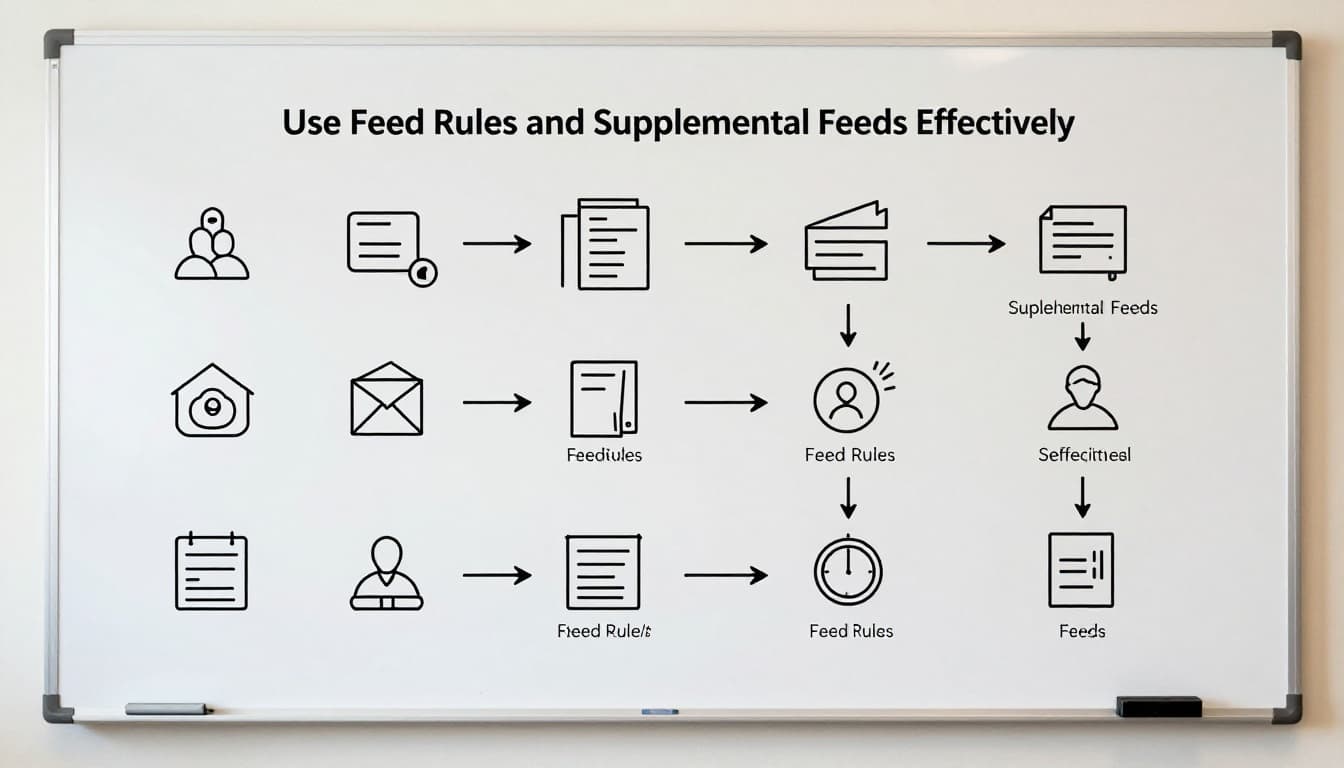
Not every fix belongs in Shopify admin. Some belong in your feed tool, and some belong in Merchant Center.
This quick table shows where each option fits best:
| Option | Best use | Avoid when |
|---|---|---|
| Shopify Google app | Small, simple catalogs with clean product data | You need deep title logic or custom mapping |
| Feed rules | Fast cleanup for titles, categories, or missing values | The source data is badly broken |
| Supplemental feeds | Add sale text, seasonal tags, promo data, or missing attributes | You need real-time inventory fixes |
| Custom labels | Group products by margin, season, bestseller, clearance | You expect them to improve eligibility on their own |
The takeaway is simple: fix source data in Shopify first, then use rules and supplemental feeds to sharpen it.
Custom labels are especially helpful for campaign control. For example, tag products by margin tier, top sellers, or seasonal push. That won’t make a product eligible by itself, but it gives your Shopping campaigns cleaner segmentation later.

Then comes diagnostics. Merchant Center’s current workflow highlights items that need attention, prioritized fixes, disapprovals, and products with the most click potential. Start there every week.
A practical review loop looks like this:
- Fix disapproved best sellers first.
- Check price and availability sync between Shopify and the feed.
- Resolve missing GTIN, bad images, and policy warnings next.
- After approval rates improve, test better titles and custom-label groupings.
Common trouble spots in 2026 are still familiar: price mismatch, stock mismatch, promotional text in images, unclear shipping or return pages, and weak GTIN coverage. Because the feed is only half the job, connect it to measurement too. A solid Shopify GA4 ecommerce audit checklist helps confirm whether better feed quality is turning into better product-level revenue.
For the paid side, this guide to Google Shopping Ads for Shopify pairs well with feed cleanup, because stronger campaigns start with stronger product data.
The strongest Shopify feeds in 2026 don’t try to trick Google. They mirror the storefront with clean titles, honest attributes, synced pricing, and pages that back up every claim.
Start with your top 20 products, not your whole catalog. Tighten the data, clear the diagnostics, and then push harder on bids and promotions.
That’s the point of shopify merchant center feed optimization now: fewer feed issues, more eligible products, and better clicks from shoppers who already know what they want.