


The digital world is evolving at lightning speed. If your site cannot keep up, you risk falling behind by 2026.
Today, mastering seo design is not just about ranking high, but also about creating seamless experiences that engage and convert. In this guide, you will unlock the most effective strategies that blend technical optimization, modern user experience, and future-ready innovations.
You will explore essential topics, from the new SEO landscape and actionable design tactics to technical foundations, AI-driven automation, and advanced optimization. Ready to stay ahead? Dive in and master the future of seo design with our step-by-step approach.
The New SEO Landscape: Trends and Principles for 2026
The world of seo design is rapidly changing as new technologies and search behaviors emerge. Google’s latest algorithm updates, combined with the rise of artificial intelligence, have redefined what it means to optimize your site for search. Today, seo design is about much more than keywords. It requires a deep understanding of both technical factors and human experience.
A major shift has occurred from keyword stuffing to optimizing around user intent and broader topics. Search engines are getting smarter at interpreting context, so successful seo design now means understanding what users actually want to achieve. Topic clusters, semantic search, and natural language content are replacing old-fashioned tricks. This move toward intent-driven optimization is essential for staying visible and relevant.
Credibility is now a top priority for seo design. Google’s E-E-A-T framework—Experience, Expertise, Authoritativeness, and Trustworthiness—has become a key ranking factor. To build trust, sites must feature expert author bios, cite reputable sources, and provide transparent information. Integrating user reviews and testimonials directly on your site is especially important, as 88% of consumers trust online reviews as much as personal recommendations. Showcasing social proof and authority signals strengthens both rankings and user confidence.
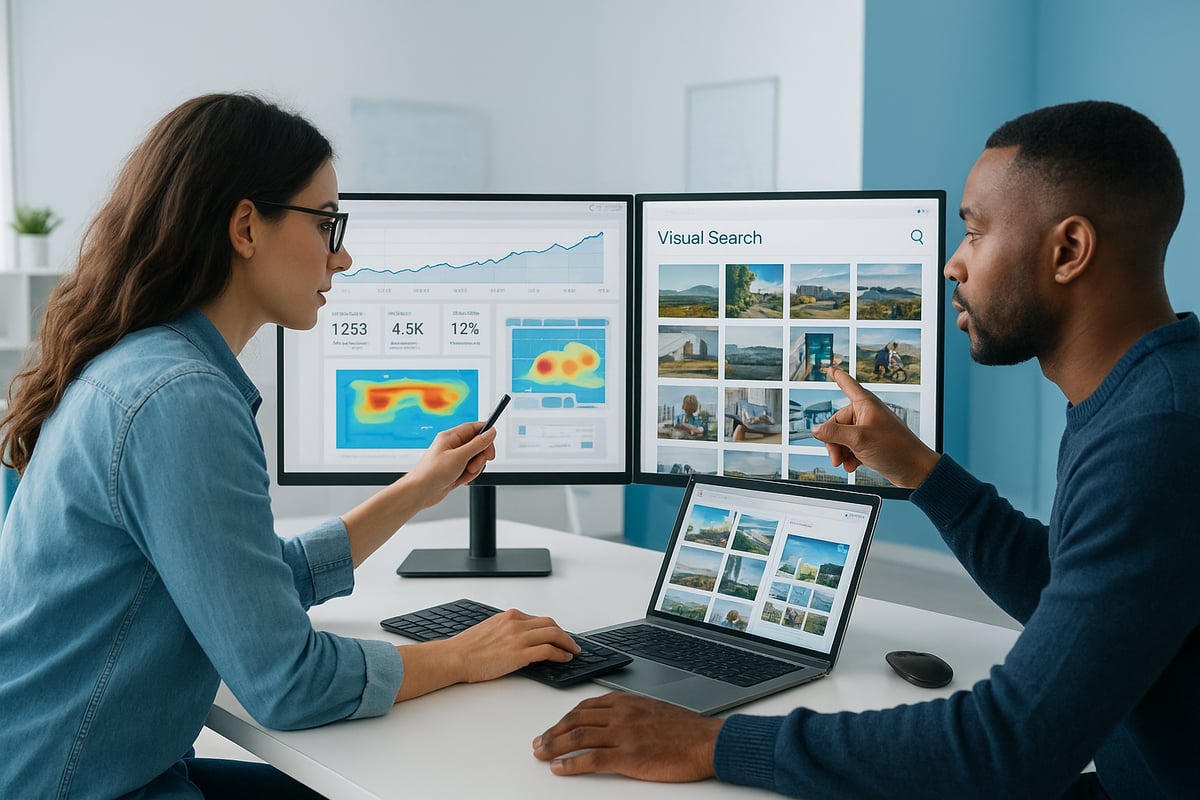
User experience is front and center in the new era of seo design. Core Web Vitals, measuring speed, stability, and interactivity, now play a crucial role in search rankings. Sites that load quickly and offer seamless navigation are rewarded. At the same time, the rise of voice search, visual search, and multi-modal queries is transforming how people find information. Optimizing for these new search modes means making content accessible, easy to scan, and adaptable across devices.
Consider the impact of strong brand messaging and social proof in seo design. Websites that clearly communicate their value and display real customer feedback consistently see higher engagement and better search performance. For example, brands that integrate user-generated content and showcase awards or trust badges build authority and foster loyalty. The evidence is clear: integrating seo design from the very start is essential for achieving top rankings and sustained growth. For a deeper dive into the trends shaping this field, explore SEO Trends for 2026.
Step-by-Step SEO Design Strategies for 2026
Mastering seo design in 2026 requires a holistic, user-centered approach that blends technical expertise with creativity. Each step below builds on modern principles, helping you create future-proof sites that both rank and convert.
1. User-First Content Creation
The foundation of effective seo design is people-first, helpful content. Focus on original writing that addresses real user needs, not just keywords. Apply Google’s E-E-A-T guidelines by showcasing expertise, using author bios, and citing trustworthy sources.
Diversify your content formats to include videos, infographics, and step-by-step tutorials. Recent data shows that 89% of consumers prefer more video content when researching brands. Address common user questions, fill informational gaps, and use testimonials or case studies to build credibility.
For more in-depth insights, explore how SEO and web design integration can amplify your results.
2. Social Proof and Brand Authority
Building trust is essential in seo design. Integrate user reviews, ratings, and testimonials directly on your website to provide social proof. Display trust badges, awards, and verification certificates to reinforce your credibility.
Showcase your active social media presence and highlight user-generated content. Presenting real-world case studies from past clients can further boost your perceived authority. These elements not only increase user trust but also improve engagement and conversion rates.
3. Readability and Accessibility
Prioritizing readability and accessibility in seo design ensures everyone can interact with your content. Choose legible fonts, maintain clear color contrasts, and use straightforward layouts for easy navigation.
Structure content with headings and subheadings to support quick scanning. Following WCAG guidelines for inclusive design is critical. Sites that are accessible tend to have lower bounce rates and higher engagement, making them more competitive in search results.
4. Strategic Information Architecture
A strong information architecture is the backbone of seo design. Create intuitive navigation and a logical site structure that guides visitors seamlessly through your content.
Use internal linking to connect related pages, helping users and search engines discover more of your site. Ensure that critical pages are easy to find and crawl. Well-structured websites are indexed faster and often achieve higher rankings.
| Key Element | Benefit |
|---|---|
| Clear Navigation | Improves user experience |
| Internal Linking | Boosts crawlability |
| Logical Structure | Aids in faster indexing |
5. Metadata and Schema Optimization
Optimizing metadata is a vital part of seo design. Write unique, compelling meta titles and descriptions for every page to improve click-through rates.
Implement structured data using schema.org to enhance your site’s appearance in search results. Enable Open Graph and Twitter Cards for better social sharing. Rich snippets, such as reviews or FAQs, can increase your visibility and drive up to 30% more clicks.
6. Mobile-First and Responsive Design
Designing for mobile users is now a non-negotiable aspect of seo design. Start with mobile layouts, ensuring every element adapts smoothly to various screen sizes.
Optimize images, navigation menus, and interactive elements for quick loading and seamless interaction on smartphones and tablets. Google now uses mobile-first indexing as its standard, so mobile-friendly sites not only rank higher but also deliver better user experiences and conversions.
7. Performance and Core Web Vitals
Fast, stable, and interactive sites are a cornerstone of seo design. Prioritize performance by compressing images, enabling lazy loading, and minimizing unnecessary scripts.
Monitor Google’s Core Web Vitals, focusing on load time, visual stability, and user interactivity. Even a three-second delay can cause significant visitor loss. Use tools like PageSpeed Insights to regularly assess and optimize your site’s performance metrics.
Technical Foundations: Building SEO-Ready Websites
Mastering the technical foundations of seo design is crucial for sustainable rankings and a seamless user experience. Every successful strategy begins with a robust, well-structured website that search engines can easily access, understand, and trust. Below, discover the core pillars that transform a basic site into an seo design powerhouse.
Site Indexing and Crawlability
Effective seo design starts with ensuring that your site is fully crawlable and indexable. Search engines rely on XML sitemaps and robots.txt files to navigate your pages.
- Include all important URLs in your sitemap.
- Use robots.txt to control crawler access.
- Prevent duplicate content with canonical tags.
- Eliminate orphan pages by linking all content.
Missing indexation can block organic growth and limit your reach. Prioritize a logical structure and clear internal linking so that every valuable page supports your overall seo design goals.
Clean Code and Semantic HTML
Clean, semantic code is a cornerstone of high-performing seo design. Using well-structured HTML enhances both accessibility and search engine understanding.
- Apply correct heading hierarchy (
<h1>,<h2>,<h3>) for clarity. - Minimize unnecessary plugins and bloated scripts.
- Use semantic tags like
<article>,<nav>, and<footer>.
A simple, organized codebase supports faster crawling and improves the user experience. Well-written code signals quality to both users and search engines, strengthening your seo design efforts.
Secure and Reliable Hosting
Security and reliability are non-negotiable in seo design. Choose a hosting provider with proven uptime, fast response times, and robust security measures.
- Enable HTTPS for all pages.
- Regularly update server software and plugins.
- Schedule frequent backups and monitor for threats.
Sites that prioritize security are favored by search engines and trusted by visitors. A secure, stable foundation ensures your seo design supports long-term growth and user confidence.
Image and Media Optimization
Optimizing media files is essential for fast, accessible seo design. Large images and uncompressed videos can slow down your site and hurt rankings.
- Use next-gen formats like WebP or AVIF.
- Compress files to reduce load times.
- Add descriptive alt text for SEO and accessibility.
- Implement lazy loading for below-the-fold assets.
Proper image optimization enhances both speed and user experience. By integrating these practices, your seo design delivers content quickly and efficiently to every visitor.
Structured Data and Rich Snippets
Structured data is a powerful tool in seo design, helping search engines interpret your content and display it as rich snippets.
- Add schema markup to products, reviews, and FAQs.
- Use Google’s Rich Results tool to validate your markup.
- Enhance listings with star ratings, event details, or breadcrumbs.
Rich snippets can increase your click-through rates and visibility. By leveraging structured data, your seo design stands out in crowded search results.
Monitoring and Analytics Integration
Continuous monitoring is vital for optimizing seo design. Set up robust analytics to track user behavior, site performance, and technical issues.
- Install Google Analytics 4 and Google Search Console.
- Use heatmaps to visualize user interactions.
- Monitor conversions and identify bottlenecks.
For more practical advice on tracking and optimizing technical performance, explore these SEO tips for website optimization. Data-driven decisions will keep your seo design strategy agile, effective, and ready for future changes.
AI, Automation, and the Future of SEO Design
Artificial intelligence and automation are transforming seo design, unlocking new levels of efficiency, personalization, and performance. As we move toward 2026, these technologies are not just optional, they are foundational to staying competitive in SERPs and user experience. Embracing AI-driven strategies now will help future-proof your seo design and position your site for sustained growth.

Leveraging AI for Content and Design
AI tools have revolutionized how teams approach seo design. From advanced keyword research engines to AI-powered content generators, these tools streamline workflows and increase output quality. Automating repetitive tasks such as metadata updates or internal linking saves valuable time, allowing professionals to focus on strategy and creativity.
Modern AI-driven design builders, like those highlighted in the Future of SEO 2026: Top 5 Trends With Real Statistics, enable rapid prototyping and personalized experiences at scale. Integrating AI in your process ensures your seo design adapts quickly to both algorithmic changes and user expectations.
Predictive SEO and User Behavior Analysis
Machine learning models are now essential in predicting user intent and evolving search trends. By analyzing vast datasets in real time, AI can uncover patterns in how visitors interact with your site, enabling you to personalize experiences and stay ahead of competitors.
With predictive analytics, seo design becomes proactive rather than reactive. Tailoring content and UX to anticipated needs boosts engagement and conversion rates. Using these insights, you can ensure your seo design aligns closely with user behavior, driving long-term growth.
Visual and Voice Search Optimization
The next wave of seo design places a strong emphasis on multi-modal search. Optimizing images for visual search tools like Google Lens and Pinterest is now critical. This means using descriptive file names, alt text, and structured data to make visuals discoverable.
Voice search is also growing rapidly. For effective seo design, structure content in natural language and target featured snippets. By anticipating conversational queries, your site can capture more organic traffic from both voice and visual searches.
Automation in Technical SEO
Automation is a game changer for technical seo design. Scheduling regular site audits and automating error detection ensures your website remains healthy and competitive. Tools now handle sitemap submissions, broken link monitoring, and even schema updates with minimal manual intervention.
By automating these foundational tasks, you free up resources for innovation and creative problem solving. This proactive approach to seo design supports both scalability and consistency as your site grows.
Integrating AI with E-commerce Platforms
E-commerce sites are leveraging AI to personalize shopping experiences and optimize product discovery. AI-driven product recommendations, dynamic pricing, and advanced search filtering powered by natural language processing are now standard features of modern seo design for online stores.
Integrating these AI capabilities not only enhances user satisfaction but also drives conversions and retention. For future-ready seo design, prioritize e-commerce features that harness machine learning to adapt to customer preferences in real time.
Advanced Optimization Tactics for 2026
The landscape of seo design in 2026 demands advanced tactics that go beyond the basics. To stay ahead, you must focus on evolving user behaviors, algorithmic changes, and innovative optimization strategies. These approaches will help you maximize visibility, engagement, and conversions in an increasingly competitive digital environment.
User Experience Signals and Behavioral Metrics
User experience signals are now integral to seo design success. Search engines analyze metrics such as dwell time, bounce rate, and click-through rates to assess site quality and relevancy.
Focus on improving site speed, intuitive navigation, and interactive content. Use heatmaps and session recordings to identify friction points. Address issues quickly to enhance engagement.
Sites with strong user experience signals consistently outperform competitors. Positive behavioral metrics send trust signals to search engines, boosting your seo design rankings and visibility.
Content Refresh and Topical Authority
Maintaining topical authority is essential for seo design in 2026. Regularly update and expand existing content to ensure it remains relevant and accurate.
Develop content clusters around core themes. Link related articles internally to build subject authority. Use analytics to find content gaps and refresh high-performing pages.
Sites that invest in content updates and strategic internal linking consistently achieve higher topical authority. This approach helps your seo design outperform stagnant competitors and stay top-of-mind.
International and Multilingual SEO
Expanding your reach with international and multilingual seo design is a powerful growth strategy. Implement hreflang tags to serve the correct language and regional content to users.
Localize not only your content but also your design elements for cultural relevance. Adapt layouts, images, and navigation to resonate with diverse audiences.
By optimizing for multiple languages and regions, you increase your potential audience and improve your seo design rankings globally. This approach helps attract and retain visitors from different markets.
Sustainable and Inclusive Design Practices
Sustainable and inclusive design is a cornerstone of modern seo design. Optimize site performance for energy efficiency by using eco-friendly hosting and clean code.
Ensure accessibility for all users, including those with disabilities. Follow WCAG guidelines, provide text alternatives, and maintain clear navigation.
Sites that prioritize sustainability and inclusivity appeal to conscious consumers. They also align with corporate social responsibility, making seo design both ethical and effective.
Conversion Rate Optimization (CRO) Integration
Integrating CRO with seo design maximizes both traffic and revenue. A/B test landing pages, calls-to-action, and checkout flows to identify what resonates best with your audience.
Utilize analytics to uncover and fix conversion bottlenecks. Focus on clear messaging, fast page loads, and streamlined user journeys.
For actionable strategies, review these best practices for website design that directly support higher conversions alongside seo design improvements.
Staying Ahead: Continuous Learning and Adaptation
The only constant in seo design is change. Stay updated by following industry news, attending webinars, and joining professional communities.
Experiment with new tools and approaches to keep your skills sharp. Learning from expert predictions, such as those in SEO in 2026: 17 Expert Tips & Predictions, will help you anticipate shifts and adapt quickly.
Businesses that prioritize ongoing education and agile adaptation consistently outperform the competition in seo design.
Resources, Tools, and Further Learning
Staying ahead in seo design means equipping yourself with reliable tools and trusted learning resources. Leading platforms help you analyze site performance, optimize user experience, and keep pace with emerging trends.
Explore these essential tools and communities for 2026:
| Resource | Focus Area | Type |
|---|---|---|
| Google Search Central | SEO guidelines | Free |
| Moz | Keyword research, SEO | Paid/Free |
| SEMrush Academy | Training, analytics | Free |
| UX Collective | Design best practices | Free |
| Website UX design fundamentals | UX for seo design | Free |
For those interested in the intersection of AI and search, Navigating the Shift: A Comparative Analysis of Web Search and Generative AI Response Generation offers valuable insights.
Invest in continuous learning to master advanced seo design and maintain your competitive edge.