


Did you know that 90% of consumers say high-quality product visuals are crucial when making online purchases? As we look ahead to 2026, the digital marketplace is more crowded than ever, making it essential for brands to rise above standard imagery. Creative approaches to product visuals can drive greater engagement, foster trust, and ultimately increase sales. In this article, discover eight innovative product visual ideas that will help your business stand out and boost conversions in the competitive landscape of 2026.
The Power of Product Visuals in E-Commerce
Product visuals have become the foundation of online shopping success. In a digital-first landscape, compelling imagery does more than show a product, it builds trust, sparks curiosity, and drives conversions. Understanding the influence and evolving trends of product visuals is essential for any e-commerce brand ready to stand out in 2026.

The Psychology Behind Product Imagery
First impressions matter, especially in e-commerce. High-quality product visuals immediately signal professionalism and credibility, shaping buyer perception from the first glance. Studies show that such visuals can lift conversion rates by up to 19%.
When shoppers can clearly see a product’s features, color, and usage context, hesitation drops. This transparency also helps reduce return rates, as expectations are better managed. Brands that use lifestyle imagery—for example, showing a product in daily use—see increased engagement because customers can picture themselves owning the item.
Trends Shaping Product Visuals in 2026
The landscape of product visuals is rapidly evolving. In 2026, brands are embracing 3D visualization, augmented reality, and AI-generated imagery to create immersive shopping experiences.
Sustainability and inclusivity are becoming visual priorities, with brands highlighting eco-friendly packaging and diverse models. Interactive visuals, such as AR try-ons, keep shoppers engaged longer. Mobile-first design also shapes visual formats, ensuring that images look crisp and load quickly on any device. Leading brands leverage these trends to stay ahead of competitors.
Visuals Across Different Platforms: What Works Where
Not all product visuals perform equally on every platform. E-commerce sites often require clean, white backgrounds for clarity and compliance, such as on Amazon. Social media favors lifestyle and aspirational shots that blend seamlessly into users’ feeds.
For ads and catalogs, detail and context shots help tell a richer story. Consistency in color palette, lighting, and style across channels reinforces brand recognition. Brands should optimize product visuals for each platform, balancing technical requirements with creative expression.
Data-Driven Visual Strategy
A smart approach to product visuals relies on analytics and experimentation. Brands routinely run A/B tests, comparing different image styles or layouts to find what resonates best with their audience. Creating multiple variants allows targeting of specific customer segments.
According to industry insights, visuals can boost engagement and conversions significantly when tailored by data. Tools for tracking image performance are essential for ongoing improvement. For more strategies on leveraging visuals for growth, explore using visuals to increase sales.
8 Creative Product Visuals Ideas to Boost Sales in 2026
Standing out in the crowded digital marketplace requires more than just clear product visuals. Businesses must innovate, blending creativity with strategy, to capture attention and drive conversions. The following eight ideas showcase how to elevate your product visuals for maximum impact in 2026.
1. Tell a Story with Lifestyle Photography
Lifestyle photography transforms product visuals from static images into engaging narratives. By placing products in real-life scenarios, you help customers imagine how those items fit into their own routines.
Consider using props, backgrounds, and diverse models to craft a scene. For example, a skincare brand might photograph serums on a marble vanity surrounded by scientific props, suggesting efficacy and luxury. These product visuals evoke emotions, making the brand more relatable and memorable.
Competitor data shows that brands leveraging lifestyle imagery for catalogs and social media experience higher engagement rates. To maximize impact, tailor the scene to your audience. Use seasonal elements—like cozy blankets for winter or fresh florals for spring—to keep visuals timely and relevant.
Tips for Effective Storytelling:
- Define the mood you want to convey (relaxed, energetic, sophisticated).
- Choose props that reinforce product benefits.
- Incorporate diverse models for inclusivity.
- Adapt stories for holidays or special campaigns.
Well-crafted lifestyle product visuals enhance brand personality, increase perceived value, and build trust.
2. Highlight Product Details with Close-Up Shots
Close-up shots reveal the craftsmanship and quality behind your product visuals, building customer confidence. Focus on textures, stitching, materials, or technical features that set your offerings apart.
For example, a massage gun might be showcased with detailed images of its controls and handle, emphasizing ergonomic design. These product visuals are particularly effective for luxury and high-tech items, where buyers scrutinize every detail before purchasing.
Lighting and angle matter. Use soft, diffused light to highlight textures without harsh shadows. Try multiple perspectives to capture unique features. Integrating 3D models can further enhance detail, allowing customers to explore every angle.
Close-ups reduce buyer uncertainty, leading to fewer returns and higher satisfaction. If you want to elevate your approach, check out these High-quality product photography tips for actionable advice.
Best Practices:
- Use macro lenses for sharpness.
- Highlight unique selling points.
- Combine close-ups with lifestyle shots for a comprehensive gallery.
Detail-driven product visuals reassure customers and drive conversions.
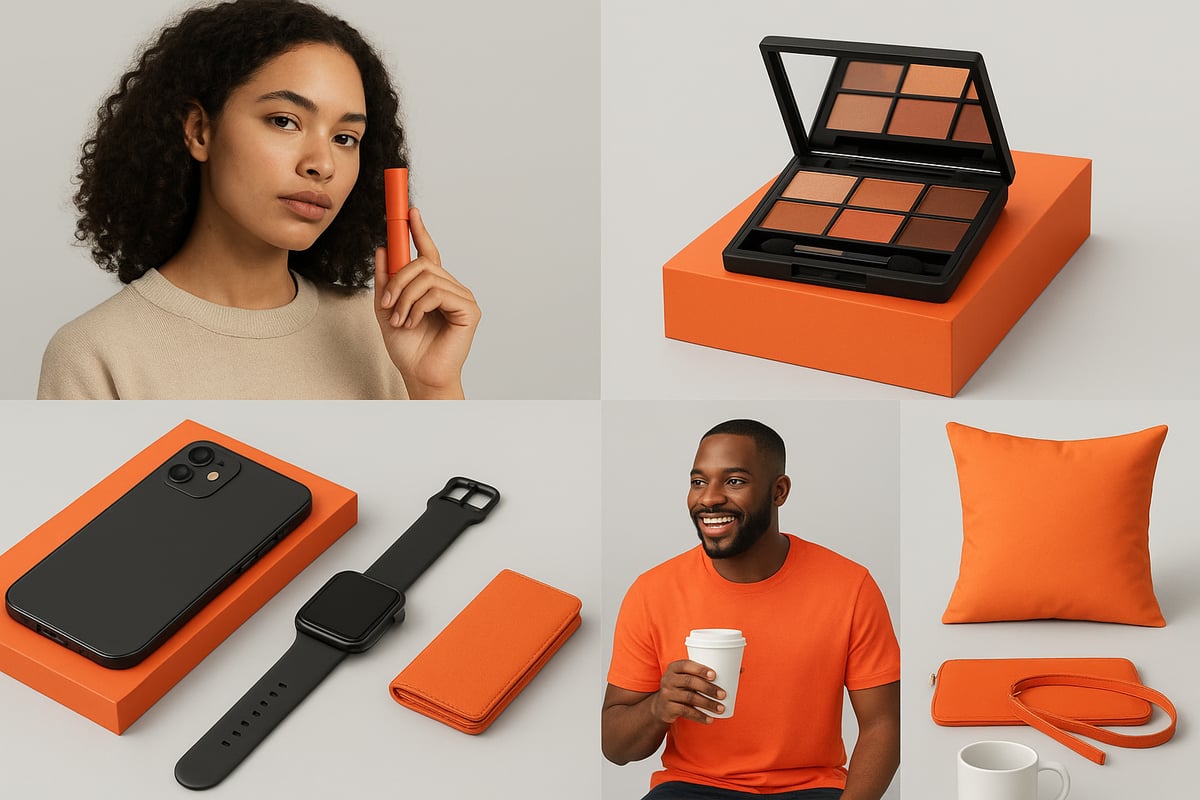
3. Use Solid and Monochrome Backgrounds for Impact
Solid and monochrome backgrounds ensure your product visuals remain the focal point. Classic white backgrounds are ideal for e-commerce listings, providing a clean, distraction-free look. In contrast, bold monochrome colors—like vibrant orange or deep blue—create modern, eye-catching product visuals for marketing materials.
For example, cosmetic products photographed on a sleek gray or bright orange background instantly stand out on social media feeds. Monochrome palettes also help create a cohesive visual identity across campaigns.
Competitors report that monochrome product visuals excel on platforms where quick scroll-stopping impact is crucial, such as Instagram banners and ads.
Tips for Success:
- Match background colors to your brand palette.
- Use consistent tones for a unified aesthetic.
- Experiment with seasonal color updates for freshness.
Strategic use of backgrounds in product visuals reinforces brand recognition and increases engagement.
4. Showcase Product Scale and Context
Helping shoppers understand a product’s size is essential for effective product visuals. Display products next to familiar objects or in hand to provide clear context. This approach reduces uncertainty, making customers more confident in their purchasing decisions.
Imagine a massage gun shown beside its attachments or placed on a kitchen counter for scale. Adding props or models clarifies dimensions and usability, addressing a common pain point in online shopping.
Brands that integrate scale shots into their product visuals report lower return rates and higher conversion rates. These images complement main product shots and can be featured in galleries or comparison tables.
Integration Tips:
- Use everyday items (coins, phones) for reference.
- Include scale shots in product galleries.
- Alternate between lifestyle and scale visuals for variety.
When product visuals accurately depict scale, customers are more likely to buy—and keep—your products.
5. Play with Lighting and Ambiance
Lighting is a powerful tool that transforms product visuals, setting mood and drawing attention to key features. Experiment with natural light for warmth, studio lighting for precision, or creative setups for drama.
For instance, capturing products during golden hour creates inviting, sun-kissed product visuals. Alternatively, a focused spotlight can add depth and highlight textures. Mood-driven lighting works especially well for ads and lifestyle campaigns, differentiating your brand in the market.
Actionable Lighting Tips:
- Use reflectors for even illumination.
- Adjust color temperature to match your brand tone.
- Try colored gels for creative effects.
Diverse lighting approaches keep your product visuals fresh and engaging, encouraging customers to linger and explore.
6. Embrace Seasonal and Thematic Visuals
Seasonal and event-specific themes breathe new life into product visuals, making them timely and relevant. Style products for holidays, special events, or cultural moments to capture attention and drive urgency.
A face cream, for example, can be presented with pumpkins for Halloween, hearts for Valentine’s Day, or festive ornaments for Christmas. These themed product visuals are highly effective in marketing campaigns, promotional emails, and social ads.
Planning Strategies:
- Develop a seasonal content calendar.
- Repurpose props for multiple occasions.
- Maintain brand consistency by using signature colors or logos.
Rotating themes in your product visuals ensures your offerings always feel fresh and aligned with customer interests.
7. Create Flat Lays and Patterned Arrangements
Flat lays and patterned arrangements offer a visually striking way to present product visuals. Arrange products and props from a top-down perspective to tell a story or highlight a collection.
For example, drink cans can be organized diagonally, or cosmetics displayed in a grid, creating bold and memorable product visuals. Patterns help catch the viewer’s eye and reinforce brand aesthetics, especially on social grids, lookbooks, or banners.
Composition Tips:
- Use the rule of thirds for balance.
- Mix textures and shapes for interest.
- Keep the focus on the main product by minimizing clutter.
Flat lays and patterns are versatile, making your product visuals stand out across multiple platforms.
8. Bring Products to Life with 3D and Interactive Visuals
3D and interactive content represent the next frontier in product visuals. By leveraging 3D modeling and interactive viewers, brands allow customers to zoom, rotate, and inspect products from every angle.
This immersive approach increases engagement and boosts time on page by up to 22%. Many brands use virtual studios to generate photorealistic product visuals and interactive experiences, offering scalability and cost-effectiveness.
Implementation Tips:
- Integrate 3D viewers on product pages.
- Use interactive hotspots to highlight features.
- Ensure compatibility with mobile devices.
Adopting 3D and interactive product visuals future-proofs your brand and delivers unforgettable shopping experiences.
Maximizing Visual Production Efficiency at Scale
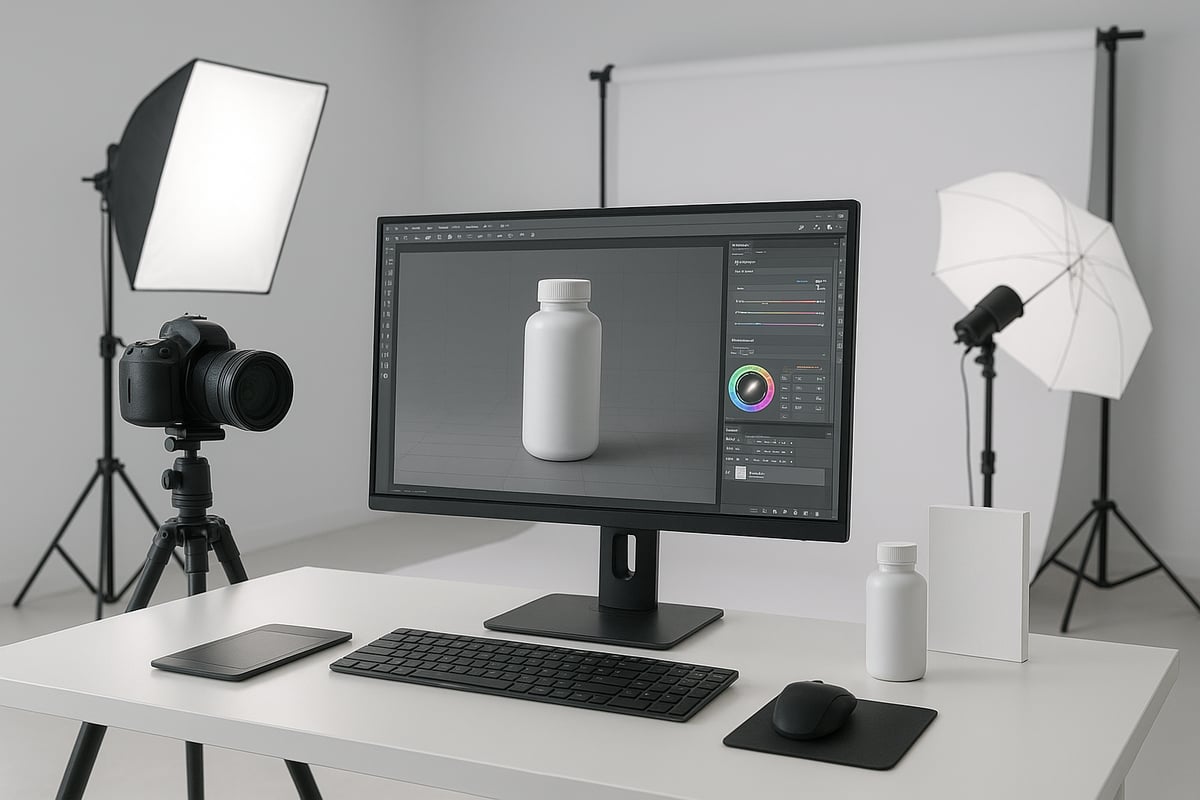
Modern e-commerce demands a streamlined approach to producing product visuals. As brands expand, the pressure to deliver high-quality images quickly and at scale becomes a key differentiator in the market. Efficient production workflows ensure that businesses can keep up with seasonal campaigns, product launches, and multi-channel requirements without sacrificing visual impact.
Leveraging Technology for Scalable Product Visuals
Traditional product photography often requires significant investment in time, logistics, and resources. Brands now turn to virtual studios and 3D modeling to accelerate the production of product visuals. These tools allow teams to generate hundreds of images in minutes, eliminating the need for repeated physical shoots.
For example, a cosmetics brand using virtual studios doubled its content output while reducing image creation time from one day to just five minutes. This efficiency lets businesses respond quickly to trends and market demands. When choosing technology, consider scalability, integration with your e-commerce platform, and the ability to update product visuals easily as assortments evolve.
Customization and Branding Consistency
Strong branding relies on consistent product visuals across every channel and campaign. Customizable templates and integrated brand assets, such as logos and signature props, help maintain visual coherence while enabling creative flexibility.
Uploading brand elements into your visual production process ensures each image aligns with your identity, whether you experiment with new backgrounds or seasonal themes. Brands that prioritize consistency in product visuals build stronger recognition and trust with their audiences. Establish guidelines for color, composition, and logo placement so every visual feels unmistakably yours.
Channel-Specific Visual Optimization
Every platform has unique requirements for product visuals. E-commerce sites often demand clean, white backgrounds and high-resolution images, while social media favors vibrant, lifestyle-oriented shots. Optimizing visuals for each channel improves both discoverability and engagement.
Automating image exports in the correct formats and sizes can save time and prevent costly errors. Batch processing tools allow you to adapt large volumes of visuals for multiple platforms efficiently. For a comprehensive overview of best practices, review E-commerce website images best practices to ensure your imagery meets the latest standards and maximizes impact across all channels.
Measuring Results and Iterating
Continuous improvement is essential for maximizing the effectiveness of product visuals. Use analytics to monitor engagement, conversion rates, and ROI for each visual style and format. A/B testing different image variants can reveal what resonates most with your audience.
Research shows that high-quality product visuals can increase conversions by up to 60%. For deeper insights, see High-quality product images boost conversions. Regularly review performance data, iterate on creative approaches, and refine your strategy to stay ahead in a rapidly evolving digital landscape.
Future-Proofing Your Product Visuals Strategy for 2026 and Beyond
Adapting your product visuals strategy for the future is essential to thrive in an evolving digital landscape. As technology, consumer expectations, and retail platforms continue to shift, businesses must remain agile and innovative with their product visuals to maintain relevance and drive results.

Staying Ahead of Visual Trends
To ensure your product visuals remain effective, actively monitor trends shaping the e-commerce industry. Technologies like AI, AR, and immersive 3D experiences are rapidly becoming standard. Brands that experiment early with these advances will better capture consumer attention.
Sustainability and inclusivity are also driving visual direction. Inclusive imagery and eco-friendly themes are now more than buzzwords—they are expectations. Stay informed by following industry reports and exploring resources such as Emerging e-commerce visualization trends, which highlights future-ready approaches to product visuals.
Regularly audit your visual assets to ensure alignment with what is resonating in your market. This proactive approach helps your brand stay ahead rather than react to change.
Building a Flexible Visual Content Pipeline
A flexible pipeline for product visuals is the foundation for rapid adaptation. Structure your team and workflows so you can quickly create, edit, and deploy new visual content as trends evolve.
Digital asset management systems and cloud-based collaboration platforms support seamless sharing and version control. This agility allows you to keep pace with new product launches, seasonal promotions, and shifting consumer demands.
Brands benefiting from agile content pipelines see faster campaign launches and greater creative experimentation. The result is a product visuals strategy that evolves with your business, not against it.
Integrating Customer Feedback and UGC
Customer voices are powerful for refining your product visuals. Encourage buyers to share their photos and videos using your products. User-generated content (UGC) builds authenticity and trust, making your product visuals more relatable.
Collect feedback on which visuals drive the most engagement and conversions. Use reviews, social media polls, and direct outreach to gather insights. Curating and featuring UGC not only strengthens community but also diversifies your product visuals at minimal cost.
Incentivize participation by featuring top contributors in marketing materials. This collaborative approach makes your visuals more dynamic and reflective of real-world experiences.
Sustainability and Accessibility in Visual Design
Modern consumers value brands that reflect ethical and inclusive practices in their product visuals. Integrate eco-friendly themes, such as recycled materials or sustainable packaging, into your visual storytelling.
Accessibility is equally critical. Ensure all product visuals include descriptive alt text, proper color contrast, and are optimized for mobile devices. These steps expand your reach and demonstrate genuine commitment to inclusivity.
Aligning your product visuals strategy with sustainability and accessibility not only meets regulatory requirements but also enhances brand reputation and appeal to conscious consumers.