



E-commerce is growing at a record pace, and the competition is fiercer than ever. To thrive in 2026, businesses must embrace the latest strategies and tools that an ecommerce optimizer can provide.
Online retailers face both new obstacles and opportunities in a rapidly changing digital world. Mastering optimization means unlocking higher conversion rates, delivering standout user experiences, and building a business that stands the test of time.
This guide serves as your step-by-step roadmap to e-commerce success in 2026. We will explore key market trends, foundational strategies, advanced tools, AI integration, user experience, sustainability, and the metrics that drive continuous improvement.
Navigating the 2026 E-commerce Landscape
The e-commerce world is evolving faster than ever, and every ecommerce optimizer must stay ahead to thrive. As we head toward 2026, understanding the key forces shaping this landscape is essential for building a resilient, future-ready online business.

Key Trends Shaping E-commerce
By 2026, global e-commerce is projected to hit an astounding $8.1 trillion, fueled by rapid digital adoption and smarter shopping experiences. The surge in mobile commerce and voice-activated shopping is transforming how consumers interact with brands. Cross-border and hyper-local selling are unlocking new markets, while regulatory updates like GDPR and CCPA are reshaping how data is managed. Today’s customers crave personalization and expect instant gratification at every touchpoint. For a deeper dive into market size and emerging trends, see the Global eCommerce sales projections for 2026. For the ecommerce optimizer, monitoring these shifts is crucial for long-term growth.
Adapting to Consumer Behavior Changes
Modern shoppers expect seamless omnichannel journeys, moving effortlessly between online stores, mobile apps, and social commerce platforms. Instagram and TikTok Shop are becoming trusted marketplaces, with live-stream shopping events driving direct engagement and sales. According to Salesforce, 73% of consumers want brands to understand their needs, making user-generated content and peer reviews more influential than ever. To stay competitive, the ecommerce optimizer must prioritize authentic connections and foster community trust.
Competitive Pressures and Market Saturation
As more brands enter the digital arena, market saturation is a real challenge. Standing out requires strong differentiation and compelling brand storytelling. Direct-to-consumer (DTC) brands are doubling conversion rates by highlighting unique value propositions that resonate with specific audiences. Subscription models and loyalty programs are also gaining traction, helping businesses foster repeat purchases and long-term relationships. For the ecommerce optimizer, embracing innovation is the surest path to lasting success.
Regulatory & Technological Disruptions
The payment landscape is shifting, with crypto, buy-now-pay-later, and digital wallets becoming mainstream. Accessibility standards, such as WCAG 2.2, are raising the bar for inclusive design. Meanwhile, supply chain resilience and fulfillment automation are critical for delivering on consumer expectations. AI-driven fraud detection is rapidly maturing, helping protect both businesses and customers. Staying updated on these regulatory and tech shifts is essential for any ecommerce optimizer aiming to reduce risk and boost performance.
Opportunities for Growth
New opportunities abound for those who are agile and forward-thinking. Untapped markets, especially among Gen Z and the global South, represent significant growth potential. Eco-friendly packaging and carbon-neutral shipping are becoming standard, with 40% of consumers more likely to buy from sustainable brands. Voice search and AR/VR shopping offer immersive experiences that set brands apart. The ecommerce optimizer who prioritizes sustainability and continuous learning will be best positioned to capture these emerging opportunities.
Building a Future-Proof E-commerce Foundation
Establishing a robust foundation is essential for any ecommerce optimizer aiming to succeed in 2026. The right groundwork ensures your online store can adapt to rapid changes, meet customer expectations, and outperform competitors.
Selecting the Right Platform and Infrastructure
Choosing the best platform is a critical decision for any ecommerce optimizer. Consider leading solutions like Shopify, WooCommerce, and Magento, each offering unique benefits. Shopify excels in ease of use and scalability, WooCommerce is highly customizable for WordPress users, and Magento provides enterprise-level features.
When selecting, weigh cloud-based versus on-premises options. Cloud platforms offer automatic updates and easy scaling, while on-premises give more control but require higher maintenance. Prioritize security, integration capabilities, and future scalability.
A headless CMS can provide unmatched flexibility, enabling seamless updates across devices. Before launching, review this checklist:
- Ensure PCI compliance and data security.
- Plan for integration with payment gateways and shipping providers.
- Test for mobile responsiveness and accessibility.
- Confirm the platform supports your projected growth.
Crafting a Data-Driven Strategy
A successful ecommerce optimizer relies on a data-driven approach. Begin by setting clear business goals that align with current market trends. Use real-time analytics dashboards to monitor performance and identify opportunities.
Segment your customers based on behavior and preferences to personalize marketing efforts. Visualization tools and heatmaps help pinpoint friction points in the user journey. For example, heatmaps can reveal where users drop off, guiding UX improvements.
A/B testing is crucial for validating changes, such as adjusting product page layouts or refining checkout flows. Make data central to every decision, ensuring your strategy evolves with consumer expectations.
Product and Inventory Optimization
Smart inventory management is vital for an ecommerce optimizer focused on growth. Implement dynamic forecasting tools to anticipate demand fluctuations and avoid costly stockouts or overstocks.
Leverage automated product categorization and tagging to streamline catalog management. Invest in high-quality product photography and video to showcase items effectively, increasing engagement and trust.
AI-powered recommendation engines can drive upsells and cross-sells, tailoring suggestions to individual preferences. Minimize inventory risks by setting reorder thresholds and monitoring sales velocity. Consistent optimization keeps your product offering competitive and relevant.
Payment, Security, and Compliance
A secure and seamless checkout experience is a top priority for every ecommerce optimizer. Offer multi-currency and localized payment options to cater to a global customer base. Integrate advanced fraud detection systems to protect both your business and customers.
Ensure PCI DSS compliance and keep abreast of evolving data privacy regulations. Implement biometric authentication where possible for added security and convenience.
Stay updated on the latest consumer protection laws to maintain trust and avoid penalties. A secure, frictionless payment process can significantly boost conversions and foster loyalty.
Ecom Design Pro: Expert Strategies for E-commerce Optimization
For ecommerce optimizer professionals seeking practical resources, Ecom Design Pro provides a comprehensive suite of actionable guides. Their expert insights cover everything from UX/UI best practices to AI integration and sustainable design.

You will find step-by-step strategies, real-world examples, and up-to-date advice tailored for 2026 and beyond. The platform’s holistic approach empowers brands to optimize for higher conversions and future-proof their business.
Explore their detailed E-commerce conversion rate optimization guide to unlock proven tactics that drive measurable results. With Ecom Design Pro, you gain a partner in building a resilient and high-performing online store.
Mastering Advanced E-commerce Optimization Techniques
Staying ahead as an ecommerce optimizer means embracing innovation and advanced strategies. In 2026, optimization requires more than just the basics. Retailers must leverage automation, personalization, and omnichannel tactics to meet evolving customer expectations. This section explores essential techniques every ecommerce optimizer should master for future-ready success.

Leveraging AI and Automation
The rise of artificial intelligence is reshaping the ecommerce optimizer’s toolkit. AI-driven personalization tailors product recommendations and content to individual shoppers, increasing engagement and conversion rates. Automation streamlines customer support through chatbots and virtual assistants, while predictive analytics optimize inventory and pricing.
Consider how AI-powered personalization in e-commerce enables retailers to deliver relevant experiences at scale. For example, brands using AI-powered upsells have seen significant increases in average order value. By 2026, AI is projected to power 95% of customer interactions, making it a cornerstone for any ecommerce optimizer.
Conversion Rate Optimization (CRO) Strategies
An ecommerce optimizer must focus on proven CRO methods. Start by optimizing landing pages for speed and clarity. Use urgency and scarcity tactics like countdown timers or limited stock notifications to prompt action. Testing call-to-action buttons through A/B experiments can boost conversions by up to 30%.
Trust signals, including customer reviews and security badges, help reduce hesitation. Prioritize mobile-first CRO since most shoppers browse and buy on their phones. For the ecommerce optimizer, a continuous testing mindset is essential for maximizing results.
SEO for E-commerce in 2026
Search engine visibility remains vital for any ecommerce optimizer. Voice search optimization and conversational keywords are becoming standard as shoppers use smart speakers and mobile assistants. Implement structured data with the latest schema.org updates to enhance product listings in search results.
Content marketing, including blogs, buying guides, and video SEO, drives organic traffic and builds authority. Leveraging long-tail keywords for niche products helps capture targeted audiences. With 68% of online experiences starting with a search engine, strong SEO is non-negotiable for every ecommerce optimizer.
Personalization and Customer Segmentation
Advanced personalization sets apart the top ecommerce optimizer from the competition. Real-time behavioral targeting and dynamic content increase relevance for each visitor. Use AI-driven insights to build detailed customer personas and segment your audience for tailored email and SMS campaigns.
For example, segmented offers can increase repeat purchases by 50%. Adopting privacy-compliant personalization practices ensures trust while delivering custom experiences. Every ecommerce optimizer should prioritize segmentation to nurture customer loyalty and satisfaction.
Mobile and Omnichannel Optimization
A future-ready ecommerce optimizer builds seamless experiences across all channels. Progressive Web Apps (PWAs) provide fast, app-like usability on mobile devices. Integrate social commerce and shoppable posts to meet customers where they spend time.
Maintain unified inventory and customer data across platforms for consistency. Brands leveraging mobile optimization have achieved up to 70% of sales from mobile devices. Push notifications and app-exclusive deals further engage and convert shoppers, making mobile and omnichannel strategies crucial for the ecommerce optimizer.
Accessibility and Inclusivity Best Practices
Inclusivity is key for the modern ecommerce optimizer. Design your site with high color contrast, alt text for images, and full keyboard navigation to meet diverse needs. Offer multilingual options and localize your store to reach global audiences.
Comply with WCAG 2.2 and ADA standards to avoid legal issues and expand your market. Inclusive imagery and language foster a welcoming environment, while accessibility improvements have led to conversion increases of 20%. For the ecommerce optimizer, accessibility is both a responsibility and a growth opportunity.
Enhancing User Experience for Higher Conversions
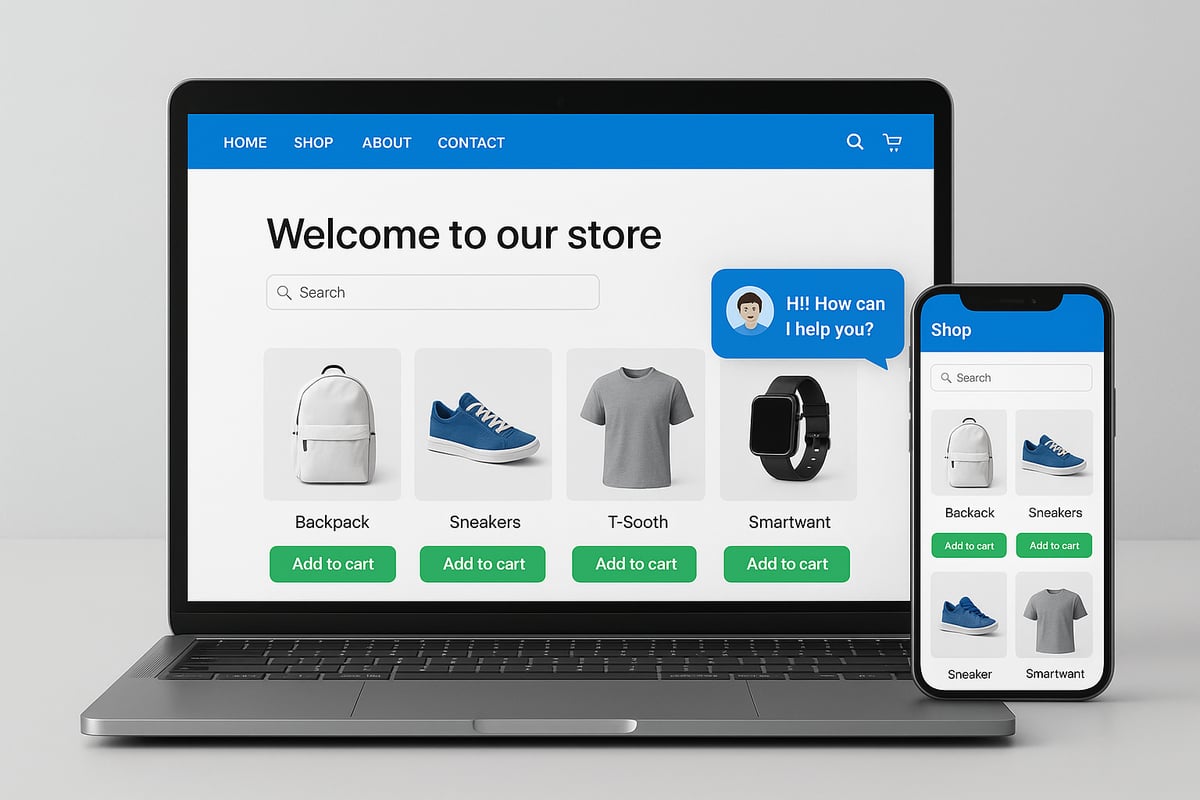
Delivering an outstanding user experience is central to any ecommerce optimizer’s strategy for boosting conversion rates. In a digital marketplace where attention spans are short, even the smallest UX improvements can have a significant impact. To help your business thrive, we break down the essential tactics for higher conversions, from website speed to post-purchase engagement. For more in-depth UX strategies, explore User experience in e-commerce.
Website Speed and Performance Optimization
Fast-loading websites are a cornerstone of any ecommerce optimizer strategy. Research shows that 53 percent of users abandon sites that take longer than three seconds to load, leading to lost sales and frustrated shoppers.
To enhance speed:
- Compress and optimize images without sacrificing quality
- Use a content delivery network (CDN) for faster global loading
- Minimize code bloat and leverage lazy loading for visuals
For example, a retailer who reduced load times by two seconds saw a 15 percent sales increase. A streamlined, responsive site ensures every visitor enjoys a frictionless shopping experience, keeping them engaged and more likely to convert. The ecommerce optimizer approach is to prioritize performance at every step.
Intuitive Navigation and Site Structure
Clear navigation is vital for guiding shoppers smoothly through your store. An effective ecommerce optimizer organizes categories logically, implements mega menus for complex catalogs, and adds breadcrumb navigation so users never feel lost.
Smart search features, like autocomplete and advanced filters, make finding products effortless. Consider:
- Grouping items by themes or needs
- Internal linking between related products and guides
- Regularly testing navigation with real users
Improved navigation can lower support queries by 25 percent and boost time-on-site. Ultimately, an ecommerce optimizer ensures users find what they need quickly, improving satisfaction and conversions.
Checkout Experience and Cart Recovery
A seamless checkout process is a key focus for any ecommerce optimizer. Multi-step or single-page checkouts should be streamlined, with autofill and guest purchase options to minimize barriers.
Combat cart abandonment (which averages 70 percent) by deploying:
- Exit-intent popups with special offers
- Automated remarketing emails
- Transparent shipping and return policies
For example, optimizing checkout flow reduced cart abandonment to 55 percent for one brand. The ecommerce optimizer’s role is to remove friction, making it as easy as possible for customers to complete their purchase.
Building Trust and Social Proof
Trust is essential for conversions, and an ecommerce optimizer leverages multiple forms of social proof. Display verified reviews and customer testimonials prominently. Integrate user-generated content, such as photos and videos, to showcase real experiences.
Key trust signals include:
- Secure payment icons and privacy badges
- Influencer endorsements or expert partnerships
- Clear policies on returns and data protection
One retailer saw an 18 percent increase in average order value after highlighting social proof. The ecommerce optimizer builds credibility and reassures hesitant shoppers at every touchpoint.
Customer Support and Post-Purchase Experience
Exceptional support, both during and after a sale, distinguishes top-performing stores. An ecommerce optimizer ensures multi-channel help is always available, whether via live chat, email, or social media DMs.
Automated order tracking and proactive updates keep customers informed. Loyalty programs and personalized follow-ups encourage repeat purchases. For instance, strong post-purchase support led to a 22 percent increase in repeat business.
Gathering feedback and acting on it is central to continuous improvement. Every ecommerce optimizer knows that the journey does not end at checkout, but continues with memorable service.
Sustainable and Ethical E-commerce Optimization
Prioritizing sustainability and ethics is no longer optional for any ecommerce optimizer aiming for long-term growth. Consumers increasingly expect brands to take responsibility for their environmental impact and social commitments. By embedding sustainable and ethical practices into your strategy, you not only build trust but also future-proof your business.
Embracing Eco-Friendly Practices
Every ecommerce optimizer should evaluate how their operations affect the environment. Switching to sustainable packaging, such as biodegradable mailers or recycled materials, reduces waste and appeals to eco-conscious shoppers. Carbon-neutral shipping initiatives can further strengthen your brand’s reputation.
- Use suppliers committed to green materials
- Offer carbon offset options at checkout
- Display eco-certifications prominently
According to IBM, 60 percent of consumers are willing to pay more for green products. For actionable design tips, consult the Sustainable e-commerce website design guide, which covers eco-friendly optimization in detail.
Ethical Sourcing and Fair Trade
Responsible sourcing is central to any reputable ecommerce optimizer. Vet your suppliers for ethical labor practices and ensure they hold credible certifications. Highlighting fair trade and artisan partnerships in your product pages can differentiate your store and foster loyalty.
- Request supplier documentation on fair labor
- Promote products with transparent sourcing
- Share artisan stories in your marketing
Consumers increasingly choose brands that support fair wages and humane working conditions. Ethical sourcing is not just a trend but an expectation in 2026.
Social Responsibility and Community Engagement
Modern shoppers look for ecommerce optimizer strategies that benefit communities, not just profits. Launching give-back programs or supporting local causes can boost customer engagement and make a real difference.
- Implement donation matching at checkout
- Collaborate with local charities for campaigns
- Share updates on your impact through newsletters
These initiatives not only drive positive change but also create emotional connections with your audience, encouraging long-term loyalty.
Transparent Communication and Certifications
Transparency is a cornerstone for every ecommerce optimizer striving for credibility. Clearly display third-party eco-labels and certifications. Publish sustainability reports, set measurable goals, and avoid greenwashing by making only factual, verifiable claims.
- Feature certifications like Fair Trade or FSC
- Release annual sustainability progress reports
- Ensure all claims are evidence-based
Transparent communication increases customer trust and retention, setting your brand apart in a crowded marketplace.
Measuring Success: Analytics, KPIs, and Continuous Improvement
Understanding what drives ecommerce optimizer performance is essential for long-term success. With data guiding every decision, businesses must track and refine their strategies to stay competitive in 2026. This section explains how to measure, analyze, and enhance your ecommerce results with actionable insights.
Identifying and Tracking Key Metrics
Choosing the right metrics is the foundation of any ecommerce optimizer strategy. Focus on KPIs that directly influence growth, profit, and customer loyalty.
Here’s a quick overview of essential metrics:
| Metric | What It Measures | Why It Matters |
|---|---|---|
| Conversion Rate | % of visitors who buy | Gauges site effectiveness |
| AOV | Average order value | Tracks revenue per sale |
| CLV | Customer lifetime value | Measures long-term value |
| CAC | Cost to acquire customer | Monitors marketing spend |
| Churn Rate | % lost customers | Reveals retention issues |
Set benchmarks for these KPIs to compare your performance against 2026 standards. Use real-time dashboards for visibility, and adjust your ecommerce optimizer approach as trends shift.
Using Analytics for Continuous Optimization
Modern analytics tools empower ecommerce optimizer teams to make rapid, informed decisions. Leverage Google Analytics 4, heatmaps, and funnel analysis to spot user drop-offs and friction points.
Key techniques include:
- Tracking user journeys with session recordings
- Segmenting audiences for targeted campaigns
- Automating reports for actionable insights
AI-driven analytics are transforming ecommerce, with generative AI offering deeper insights into customer behavior. For instance, AI’s impact on online shopping behavior reveals how AI-powered shopping data drives higher engagement and conversions. Embrace these tools to fine-tune your ecommerce optimizer efforts.
Feedback Loops and Agile Experimentation
Continuous improvement is at the core of every ecommerce optimizer strategy. Implement feedback loops by regularly collecting customer reviews and survey responses.
Use A/B and multivariate testing to validate changes. Agile teams iterate quickly, making small, data-driven adjustments that compound over time.
For example, rapid experimentation can boost conversion rates by 35 percent within months. Foster a culture where every team member values data and adapts to customer needs. This approach ensures your ecommerce optimizer process remains dynamic and effective.
Preparing for Future Trends and Scaling
Staying ahead in ecommerce means anticipating shifts in technology and consumer expectations. Monitor emerging trends like AR, VR, and generative AI to identify new growth opportunities.
Building scalability into your ecommerce optimizer infrastructure is vital. Collaborate with partners, invest in flexible platforms, and plan for capacity spikes. According to AI adoption rates in retail, most retailers are already leveraging AI for efficiency and scalability.
Create a roadmap for ongoing optimization, ensuring your business can adapt and thrive through 2026 and beyond.