

In 2026, the race for ecommerce success is more intense than ever. Brands are no longer focused solely on attracting visitors, but on converting every interaction into loyal customers. The stakes are high, and every click counts.
This comprehensive guide to ecommerce conversion rate optimization is designed for brands, marketers, and entrepreneurs who want to maximize every opportunity. You will discover proven strategies, innovative tools, and data-driven insights tailored to the evolving digital landscape.
What can you expect from this guide?
- The latest fundamentals and benchmarks for CRO
- Step-by-step optimization strategies
- Insights into AI-driven personalization and UX trends
- Practical measurement and reporting tactics
Ready to increase sales without raising your ad spend? Dive in and unlock your ecommerce growth potential for 2026.
Understanding Ecommerce Conversion Rate Optimization in 2026
Ecommerce in 2026 is more dynamic and competitive than ever before. Brands are not just attracting visitors but are focused on converting those visits into measurable outcomes. This section clarifies what ecommerce conversion rate optimization means, why it is vital, how to measure it accurately, and how to set achievable goals for ongoing growth.
Defining Ecommerce Conversion Rate Optimization
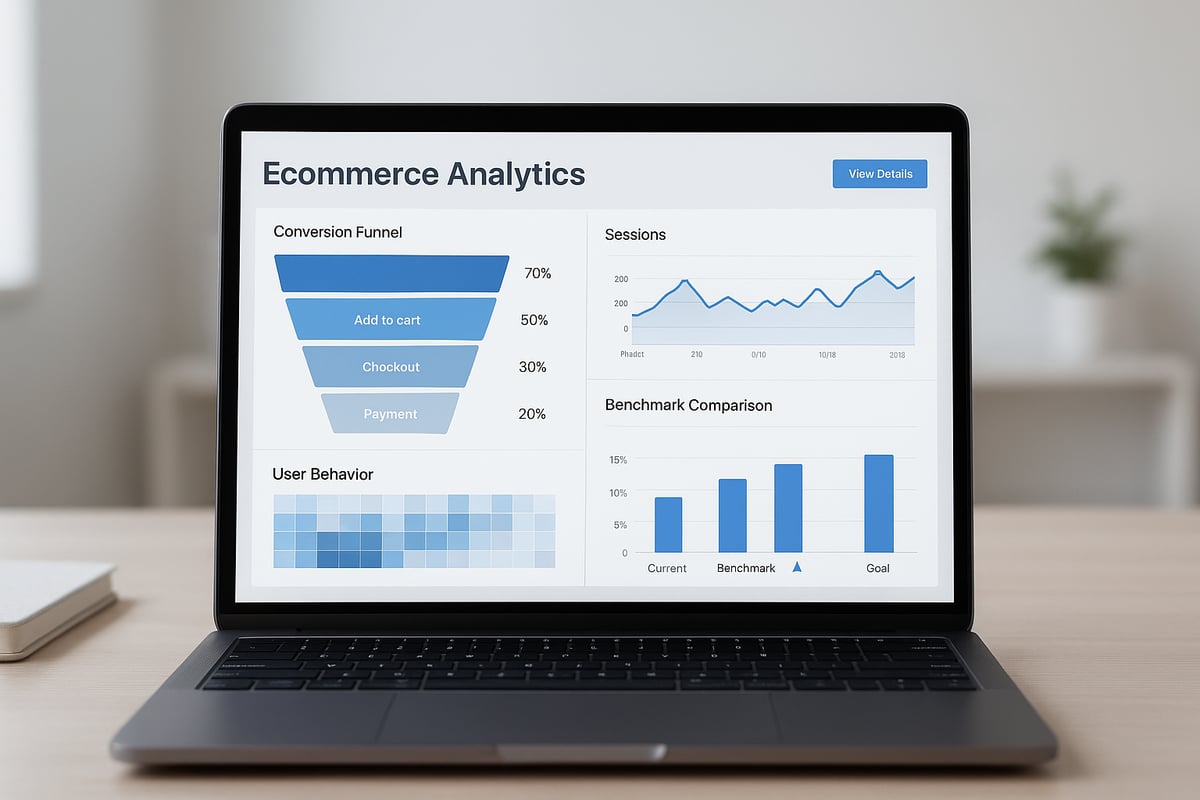
Ecommerce conversion rate optimization is the practice of increasing the percentage of website visitors who complete a desired action, such as making a purchase or signing up for a newsletter. In the evolving 2026 landscape, ecommerce conversion rate optimization goes beyond simple tweaks; it touches every aspect of the online experience, from user interface design and compelling copy to technical performance.
CRO strategies now address both micro-conversions (like adding items to a cart or using AI-powered chatbots for support) and macro-conversions (such as completing a transaction). Each step is carefully designed to move users closer to the end goal, making ecommerce conversion rate optimization a holistic and ongoing process.
Why CRO Matters More Than Ever in 2026
As acquisition costs rise and competition intensifies, ecommerce conversion rate optimization has become a critical lever for sustainable growth. Rather than relying solely on increased advertising budgets, brands use CRO to maximize the value of existing traffic. This approach leads to higher sales, improved customer retention, and lower bounce or cart abandonment rates.
With a median ecommerce conversion rate of 4.2 percent, as reported in recent industry benchmarks, even small improvements in conversion can drive significant revenue gains. Many successful brands have achieved double-digit sales growth by focusing on ecommerce conversion rate optimization instead of expanding their marketing spend.
How to Calculate and Benchmark Ecommerce Conversion Rates
To measure ecommerce conversion rate optimization efforts, use this formula: (Number of conversions divided by total visitors) times 100. Accurate tracking requires defining specific goals, such as conversions from landing pages, product pages, or the final checkout step.
Avoid common mistakes like mixing data from different periods or combining unrelated conversion events. Industry benchmarks vary by sector, but referencing resources like the Ecommerce Conversion Rate Benchmarks 2025 helps you understand where your store stands. For example, calculating the conversion rate for a new product launch page can reveal if it meets or exceeds your niche average.
Setting Realistic Conversion Rate Goals
Effective ecommerce conversion rate optimization relies on setting attainable, data-driven goals. Rather than chasing broad industry averages, focus on incremental improvements based on your historical performance and competitor benchmarks. Consider factors like traffic quality, product type, target audience, and seasonality when setting targets.
For instance, a store that increases its conversion rate from 2 percent to 3 percent through targeted efforts sees a substantial impact on revenue. Remember, ecommerce conversion rate optimization is a continuous journey, not a one-time fix. Regular evaluation and adjustment ensure ongoing progress and long-term success.
Step-by-Step Ecommerce CRO Framework for 2026
Maximizing ecommerce conversion rate optimization in 2026 requires a structured, data-driven approach. This framework breaks down each step so you can systematically identify, test, and implement improvements that drive measurable results. Whether you are new to CRO or looking to refine your process, these strategies will help turn traffic into loyal customers.

Step 1: Audit Your Current Conversion Funnel
Start your ecommerce conversion rate optimization journey by mapping every stage of your customer’s path, from landing page to completed checkout. Use analytics platforms like Google Analytics and UXCam Funnels to pinpoint where users drop off.
Visual tools such as heatmaps and session replays reveal hidden obstacles and friction points. For example, you might discover a spike in abandonment at the shipping options page, signaling an opportunity for improvement.
Document your baseline metrics, including conversion rates at each funnel stage, so you can measure progress. For more actionable tactics, visit Improve Ecommerce Conversions.
Step 2: Optimize User Experience (UX) and Design
A seamless site design is crucial for ecommerce conversion rate optimization. Focus on mobile-first layouts that are accessible and easy to navigate. Eliminate distractions and simplify navigation menus to keep users focused on purchase paths.
Incorporate trust signals like verified reviews, security badges, and clear return policies to build confidence. Redesigning your checkout as a single page can reduce friction and increase conversions.
Sites that prioritize UX consistently see lower bounce rates and higher customer retention, making this a foundational CRO strategy.
Step 3: Leverage AI and Personalization
Elevate ecommerce conversion rate optimization with AI-driven personalization. Use smart algorithms to deliver tailored product recommendations and dynamic content that adapts to user behavior in real time.
Personalize offers and messaging based on browsing history, location, and purchase intent. Integrate AI chatbots to provide instant support, answer questions, and guide shoppers through the decision process.
Tools like Smart Traffic can automatically direct visitors to the best-performing landing pages, giving you a competitive edge through hyper-personalized experiences.
Step 4: Enhance Product Pages for Maximum Impact
Your product pages are at the heart of ecommerce conversion rate optimization. Use high-quality, fast-loading images and videos to showcase products from multiple angles.
Craft benefit-driven product descriptions that highlight key features and answer customer questions. Add social proof with customer reviews and user-generated content, such as photo galleries.
Pages featuring video demos can increase conversions by up to 80 percent. Make sure your product pages are both informative and visually engaging to drive action.
Step 5: Streamline Checkout and Reduce Friction
A smooth checkout process is vital for ecommerce conversion rate optimization. Offer guest checkout and multiple payment options, including digital wallets, to cater to diverse customer preferences.
Minimize form fields and use auto-fill features to speed up the process. Clearly display shipping costs and use progress indicators to set expectations.
Reducing the number of checkout steps can significantly lower cart abandonment, which currently averages 69.99 percent. Every improvement here directly impacts your bottom line.
Step 6: Implement and Test Conversion Drivers
Continuous experimentation is key to ecommerce conversion rate optimization. Run A/B and multivariate tests on critical elements like headlines, calls to action, layouts, and promotional offers.
Use urgency tactics such as limited-time deals or countdowns to motivate purchases. Experiment with different pricing strategies and product bundles to find the optimal mix for your audience.
For example, test a free shipping banner against a discount code to see which drives more conversions. Regular testing ensures you adapt to changing consumer behavior and market trends.
Step 7: Analyze, Iterate, and Scale
The final step in ecommerce conversion rate optimization is to review analytics and gather user feedback. Analyze which changes led to improvements and identify areas for further optimization.
Collect qualitative insights through surveys and user testing to complement quantitative data. Document successful tactics in standard operating procedures for easy replication.
Scale winning strategies across product lines or regions to maximize impact. Building a culture of continuous optimization ensures your ecommerce business remains agile and growth-focused.
AI, Automation, and Advanced CRO Tools for 2026
Artificial intelligence and automation are reshaping ecommerce conversion rate optimization in 2026. Brands that embrace these innovations are experiencing faster growth, increased efficiency, and deeper customer insights. Let’s explore how AI, advanced tools, and expert resources are setting new standards for CRO success.

The Rise of AI in Ecommerce CRO
AI is fundamentally changing the landscape of ecommerce conversion rate optimization. Predictive analytics and smart segmentation allow businesses to anticipate shopper intent and deliver tailored experiences in real time. AI-driven tools now automate everything from copywriting to image selection and user journey mapping.
For example, platforms use AI to generate and test landing page variants automatically, reducing manual workload and accelerating optimization cycles. According to industry reports, AI-powered personalization can boost conversion rates by 10 to 20 percent. To explore how AI-driven personalization powers next-level CRO, see AI-Powered Personalization in E-Commerce.
Essential CRO Tools and Platforms
A robust toolkit is essential for ecommerce conversion rate optimization in 2026. Analytics solutions like Google Analytics 4, UXCam, and Hotjar provide deep insights into user behavior. Testing platforms such as Unbounce, Optimizely, and VWO enable rapid experimentation through A/B and multivariate tests.
Personalization engines like Dynamic Yield, Nosto, and Adobe Target let brands deliver dynamic content and targeted offers. Automation tools, including Smart Traffic and AI chatbots, streamline workflows and enhance the customer journey. For example, session replay tools help teams uncover hidden friction points that impact conversions.
Integrating CRO Tools with Ecommerce Platforms
Seamless integration between CRO tools and ecommerce platforms is critical for scaling results. Shopify, WooCommerce, Magento, and BigCommerce all support advanced integrations, allowing data to flow smoothly between analytics, CRM, and marketing automation systems.
Centralizing data in unified dashboards provides a holistic view of the entire customer journey, making it easier to spot trends and act quickly. Linking CRO platforms with email marketing and CRM enables full-funnel optimization. This approach ensures that ecommerce conversion rate optimization efforts are both coordinated and measurable across all touchpoints.
Data Privacy, Security, and Compliance
With evolving regulations like GDPR and CCPA, privacy and security are top priorities in ecommerce conversion rate optimization. Transparent data usage, consent management, and adherence to compliance standards build lasting customer trust.
Implementing features such as cookie consent banners and secure payment gateways reassures shoppers and protects sensitive information. For example, displaying clear privacy policies and following best practices for data handling demonstrates a commitment to user safety. Privacy-compliant CRO not only reduces risk but also supports long-term brand loyalty.
Ecom Design Pro: Expert Guidance for CRO Success
Ecom Design Pro delivers expert-driven strategies and actionable guidance for ecommerce conversion rate optimization. Their resources cover the latest in UX, AI integration, accessibility, and sustainable design, all tailored for the evolving demands of 2026.
Entrepreneurs, marketers, and designers benefit from step-by-step blueprints, trend analyses, and tool reviews. The platform’s hands-on tips and comprehensive guides empower teams to stay ahead of industry changes. Ecom Design Pro is the go-to hub for brands seeking measurable growth and future-proof CRO strategies.
Future-Proofing Your Ecommerce CRO Strategy
Staying ahead in ecommerce conversion rate optimization means preparing for the future, not just reacting to changes. As the digital landscape evolves, brands that build adaptable, customer-centric strategies will outperform competitors and unlock new growth opportunities. Let us explore the pillars of a future-proofed CRO approach.

Embracing Mobile-First and Omnichannel Optimization
Mobile commerce is projected to account for 73 percent of ecommerce sales in 2026, making mobile optimization a non-negotiable aspect of ecommerce conversion rate optimization. Customers expect seamless, intuitive experiences whether they shop on smartphones, tablets, or desktops.
To succeed, ensure your website is fully responsive and fast-loading across all devices. Integrate SMS campaigns, social commerce, and app-based shopping flows for a unified experience. For more insights on this trend, see Mobile Commerce Growth Projections. Brands that synchronize carts and checkouts across web, mobile, and social channels consistently outperform those with siloed experiences.
Accessibility and Inclusive Design as CRO Drivers
Accessibility is a catalyst for ecommerce conversion rate optimization and an ethical commitment. By designing with inclusivity in mind, you expand your audience and remove barriers for shoppers with disabilities.
Adopt WCAG 2.2 guidelines, provide alternative text for images, enable keyboard navigation, and use clear, readable fonts. These steps not only improve usability but also boost SEO and engagement. Adding accessibility features often results in higher conversion rates, as more users can interact confidently with your store.
Sustainability, Ethics, and Brand Trust
Ecommerce conversion rate optimization increasingly depends on brand values. Shoppers in 2026 are drawn to companies that demonstrate environmental responsibility and ethical practices.
Highlight your sustainability efforts in product descriptions and site banners. Offer carbon-neutral shipping and display badges for ethical sourcing. According to industry surveys, 73 percent of Gen Z shoppers prefer sustainable brands. Building trust through transparency and responsible choices directly impacts conversion rates and customer loyalty.
Cultural Localization and Global CRO
Expanding globally requires adapting your ecommerce conversion rate optimization strategy for cultural and regional differences. Localization goes beyond translation, it involves customizing content, offers, and design to match local preferences.
Provide region-specific payment methods, shipping options, and customer support. Use local language and imagery to build trust. Brands that localize see measurable increases in engagement and purchase intent. For example, adding local language support can dramatically lift conversions in new markets.
Preparing for Emerging Technologies and Trends
Staying future-ready means embracing innovations that shape ecommerce conversion rate optimization. Technologies like voice commerce, AR/VR product visualization, and shoppable video are rapidly gaining traction.
Invest in headless commerce and API-driven architectures for flexibility. Augmented reality allows customers to “try on” products virtually, with AR-enabled pages increasing conversions by up to 40 percent. For the latest advances in AI-driven personalization, review the Impact of AI Personalization on Ecommerce to see how tailored experiences are transforming the path to purchase.
Building a Culture of Continuous Optimization
Long-term ecommerce conversion rate optimization success depends on fostering a mindset of continuous improvement. Encourage collaboration across marketing, design, development, and support teams.
Schedule regular CRO reviews, share insights, and celebrate wins. Implement monthly optimization sprints and document best practices for easy replication. This culture of experimentation and learning ensures your strategies stay relevant and effective, no matter how the market evolves.
Measuring, Reporting, and Scaling CRO Success
Ecommerce conversion rate optimization is only as powerful as your ability to measure, report, and scale its results. To achieve sustainable growth in 2026, brands must track the right metrics, analyze outcomes, and create a repeatable process for continuous improvement. This section offers a practical framework to ensure every optimization effort translates to measurable business value.
Key Metrics to Track for Ecommerce CRO
Tracking the right metrics is fundamental for effective ecommerce conversion rate optimization. Focus on a blend of primary and secondary indicators to get a holistic view of performance:
- Conversion rate (overall, by channel, by device)
- Average order value (AOV)
- Customer lifetime value (CLV)
- Bounce rate
- Cart abandonment rate
- Checkout completion rate
- Micro-conversions like email sign-ups
Monitoring these metrics enables you to spot friction points and identify cart abandonment strategies that can lift conversions. Sites tracking a diverse set of metrics consistently outperform those relying on conversion rate alone, ensuring comprehensive ecommerce conversion rate optimization.
Setting Up Effective Analytics and Dashboards
To maximize ecommerce conversion rate optimization, set up customizable analytics dashboards that deliver real-time insights. Use platforms like Google Analytics 4, UXCam, or Hotjar to combine quantitative data with qualitative user feedback.
Segment your dashboards by key touchpoints:
- Product views
- Cart additions
- Checkout steps
- Final purchases
Integrate heatmaps and session replays for deeper behavioral insights. With these tools, your team can quickly identify drop-offs and measure the impact of each optimization. Actionable dashboards help maintain focus on what matters most for ecommerce conversion rate optimization.
Interpreting Results and Identifying Growth Opportunities
After running experiments or deploying new features, it is vital to interpret results with precision. Analyze test outcomes for statistical significance and draw actionable insights from the data.
Use cohort analysis to evaluate the long-term effects of your ecommerce conversion rate optimization efforts. Identify high-value customer segments, seasonal trends, and top-performing channels. This approach uncovers hidden revenue streams and guides future optimization priorities, ensuring you capture every possible growth opportunity.
Reporting CRO Impact to Stakeholders
Clear reporting is essential for demonstrating the value of ecommerce conversion rate optimization to stakeholders. Use visual reports to showcase before-and-after comparisons and highlight key business outcomes, such as:
- Revenue increases
- Improved ROI
- Higher customer retention
Tell the story behind the data with case studies, for example, a 25% sales lift after streamlining checkout. Presenting CRO improvements in financial terms ensures executives understand the direct impact on business goals, making ongoing investment in optimization a priority.
Scaling Successful CRO Tactics Across Your Business
Once a tactic proves successful, document the process and templatize it for quick rollout across other products or markets. Training teams to replicate winning ecommerce conversion rate optimization strategies accelerates growth and maintains consistency.
For example, if a new product page format increases conversions, expand it sitewide. Standardization allows your business to scale proven methods efficiently, creating a culture where optimization is embedded in daily operations and every team member contributes to ongoing success.
Staying Ahead: Continuous Learning and Industry Benchmarking
To keep your ecommerce conversion rate optimization strategy future-ready, commit to continuous learning. Regularly monitor competitor and industry benchmarks, such as the Unbounce Conversion Benchmark Report.
Participate in CRO webinars, courses, and industry events. Implement new tactics from leading case studies and expert guides. Staying engaged with the latest trends ensures your CRO approach evolves alongside the digital landscape, helping your business remain ahead of the competition.