

Digital design experience is reshaping how we live, work, and connect as we approach 2026. Every interaction, from the apps we use to the environments we inhabit, is being redefined by innovation and user-centered thinking.
This guide unpacks the essential principles, trends, and strategies shaping digital design experience in 2026. You will explore its evolution, discover the technologies driving change, and gain actionable insights from real-world examples.
Ready to stay ahead? Leverage this guide to create impactful, future-ready experiences and gain a competitive edge in the digital landscape.
The Evolution of Digital Design Experience: 2020–2026
As we approach 2026, the digital design experience has evolved at an unprecedented pace, reshaping how people interact, work, and connect in every sphere of life. What was once a collection of standalone digital products is now an interconnected ecosystem, powered by human-centered thinking and rapid technological advances.
The last six years have seen a fundamental shift. Design has moved from focusing solely on usability or aesthetics to orchestrating holistic, meaningful journeys. The rise of remote work and hybrid environments has forced organizations to rethink their digital design experience, ensuring every interaction is seamless, intuitive, and accessible, whether at home, in the office, or on the move.
A major milestone has been the integration of physical and digital spaces, often referred to as “phygital” experiences. Industry leaders like Gensler have pioneered the blending of architecture, technology, and content to create environments where digital touchpoints are as natural as physical ones. For example, immersive installations at the AT&T Discovery District demonstrate how public spaces can become dynamic digital canvases, engaging users in new and memorable ways.
Personalization, immersion, and context-aware design have become the norm, driven by data intelligence and artificial intelligence. Companies like Netflix exemplify this trend, offering seamless cross-device experiences and adaptive recommendations powered by user data. Deloitte’s Innovation Labs and the AT&T Discovery District further highlight how organizations leverage AI-powered personalization in e-commerce and real-time insights to create adaptive, engaging environments that respond to user behaviors.
The focus on accessibility, inclusivity, and sustainability has also grown. Designers now prioritize experiences that cater to all users, regardless of ability, device, or context. This shift is backed by compelling statistics: the number of companies investing in omnichannel digital design experience soared from 20 percent to 80 percent, according to Net Solutions. Initiatives like Netflix’s consistent, accessible interface and Deloitte’s commitment to user research set new industry standards.
In summary, the digital design experience between 2020 and 2026 is defined by its adaptability, interconnectedness, and user-centricity. The boundaries between digital and physical continue to blur, creating a landscape where impactful, inclusive, and innovative experiences are not just valued but expected.

Core Elements of Digital Design Experience in 2026
Understanding the core elements of digital design experience is essential for any organization aiming to thrive in 2026. The landscape is defined by three interconnected pillars: user interface (UI), user experience (UX), and customer experience (CX). Together, they form the backbone of every successful digital design experience.
These pillars do not exist in isolation. Instead, they blend visual clarity, interaction quality, and overall customer relationships into a seamless journey. As users interact across multiple devices and channels, consistency and accessibility become non negotiable. In fact, 89.2% of companies now invest in research before the design stage, highlighting a collective shift toward a more strategic digital design experience.
Consider Netflix as a prime example. Its platform excels by integrating intuitive UI, smooth UX, and personalized CX. This convergence is the secret to creating brand loyalty and gaining a competitive edge.

User Interface (UI): Visual Clarity and Usability
The UI is the visual gateway to any digital design experience. It focuses on presenting content in a clean, attractive, and intuitive manner. Ideal information architecture is vital, allowing users to find what they need quickly and without confusion.
Minimalistic design is not just a trend, but a necessity. It reduces cognitive load and makes navigation straightforward. Netflix exemplifies this principle, offering categorized content and easy to find controls that enhance user satisfaction.
Key performance indicators for UI include:
- Cleanliness
- Attractiveness
- Understandability
A well crafted UI ensures users always know where to go next, making the digital design experience inviting and effortless.
User Experience (UX): Interaction Quality and Accessibility
UX is the heart of digital design experience, shaping how users interact with digital products and services. Usability, responsiveness, and accessibility are critical factors. The best platforms guide users smoothly through every step, from onboarding to everyday use.
Effective UX design follows a clear process:
- Stakeholder interviews
- Research and audits
- Requirements gathering
- Information architecture
- Visual design
- Prototyping
- Testing
Netflix demonstrates strong UX by streamlining subscription management and enabling seamless search functionality. For organizations seeking to deepen their expertise, resources like Mastering user experience design provide actionable strategies for elevating digital design experience.
Promptness, effectiveness, and overall satisfaction are the key measures of UX success.
Customer Experience (CX): Lifetime Value and Relationship
CX extends the digital design experience beyond individual interactions, focusing on the entire customer journey. Personalization, omnichannel integration, and frictionless support are essential to building lasting relationships.
Netflix’s approach to CX is a benchmark for others. Its personalized recommendations, responsive customer support, and cross device continuity foster loyalty and encourage word of mouth referrals.
Key performance indicators for CX include:
- Loyalty
- Retention
- Advocacy
Prioritizing CX means considering every touchpoint, ensuring the digital design experience is memorable and valuable throughout the customer lifecycle.
Human-Centered and Ethical Design
A truly modern digital design experience must be human centered and ethical. This approach starts with empathy, understanding users’ problems and the context in which they operate. It also includes a firm commitment to transparency and trust, avoiding manipulative design patterns.
Inclusivity and accessibility are not optional. Ethical digital design experience ensures everyone can participate, regardless of ability or background. Avoiding “roach motel” patterns, especially in subscription management, is one way to demonstrate respect for users.
By focusing on human needs and ethical standards, organizations create digital design experience that is not only effective, but also trustworthy and inclusive.
Strategic Frameworks for Digital Design Experience
In 2026, organizations must approach digital design experience with a strategic mindset. The landscape is more complex, interconnected, and user-driven than ever. Success depends on robust frameworks that guide teams through research, testing, innovation, and continuous improvement. The 4E’s—Explore, Evaluate, Experiment, Engage—form a proven foundation for crafting exceptional digital design experience across touchpoints.

Step 1: Explore — User Research and Empathy
Every successful digital design experience starts with understanding real people. Teams begin by conducting stakeholder interviews and deep user research. Ethnographic methods help uncover needs, pain points, and emotional drivers that shape user behavior.
By observing users in their natural environments, designers gain empathy and context. This process reveals insights that inform strategy and ensure solutions are relevant. Gensler’s approach, for instance, combines qualitative and quantitative research to guide experience strategy decisions.
Empathy-driven exploration grounds the digital design experience in actual user needs instead of assumptions. This step is crucial for building products and services that resonate and deliver value.
Step 2: Evaluate — Usability Testing and Journey Mapping
Evaluation is where insights turn into actionable knowledge. Teams run usability audits to assess how well digital touchpoints perform. Mapping customer journeys across all channels—web, mobile, physical—pinpoints gaps, friction, and opportunities.
A thorough evaluation helps organizations see the complete digital design experience from the user’s perspective. This process uncovers moments that delight or frustrate, informing where to focus improvements.
For example, e-commerce brands map the entire purchase journey to optimize checkout and support flows. This attention to detail creates a more seamless and satisfying digital design experience, building loyalty and trust.
Step 3: Experiment — Ideation and Prototyping
With user insights and journey maps in hand, teams move to experimentation. Ideation sessions spark creative solutions to address identified gaps in the digital design experience. Rapid prototyping and A/B testing allow teams to validate concepts with real users before investing heavily.
Experimentation encourages risk-taking and innovation. For instance, retail spaces might pilot interactive installations to test new customer engagement methods. Digital prototypes let teams gather feedback quickly and refine ideas.
This iterative approach ensures that the digital design experience evolves based on real-world data and user reactions, not just theory.
Step 4: Engage — Continuous Optimization and Innovation
Digital design experience does not end at launch. The Engage phase focuses on ongoing updates, analytics, and feedback loops. Teams use data intelligence to personalize content and adapt interfaces in real time.
Regular optimization keeps experiences fresh and aligned with user preferences. Netflix, for example, continually updates its content and interface based on user data, ensuring relevance and satisfaction.
Analytics, user feedback, and testing fuel a cycle of improvement. This commitment to engagement transforms the digital design experience into a dynamic, evolving advantage.
The Role of Digital Masterplanning
Digital masterplanning shapes a unified vision for every touchpoint. It brings together technology, content, and architecture to deliver a cohesive digital design experience both online and offline.
Organizations like Gensler use digital masterplans to connect physical environments with digital ecosystems. This approach ensures branding, messaging, and service are consistent everywhere users interact. For practical strategies on building unified journeys, see how to achieve consistent branding across channels.
Masterplanning aligns teams across disciplines, making the digital design experience seamless and memorable. It is the blueprint for future-ready, user-centric organizations.
Emerging Technologies and Trends Shaping 2026
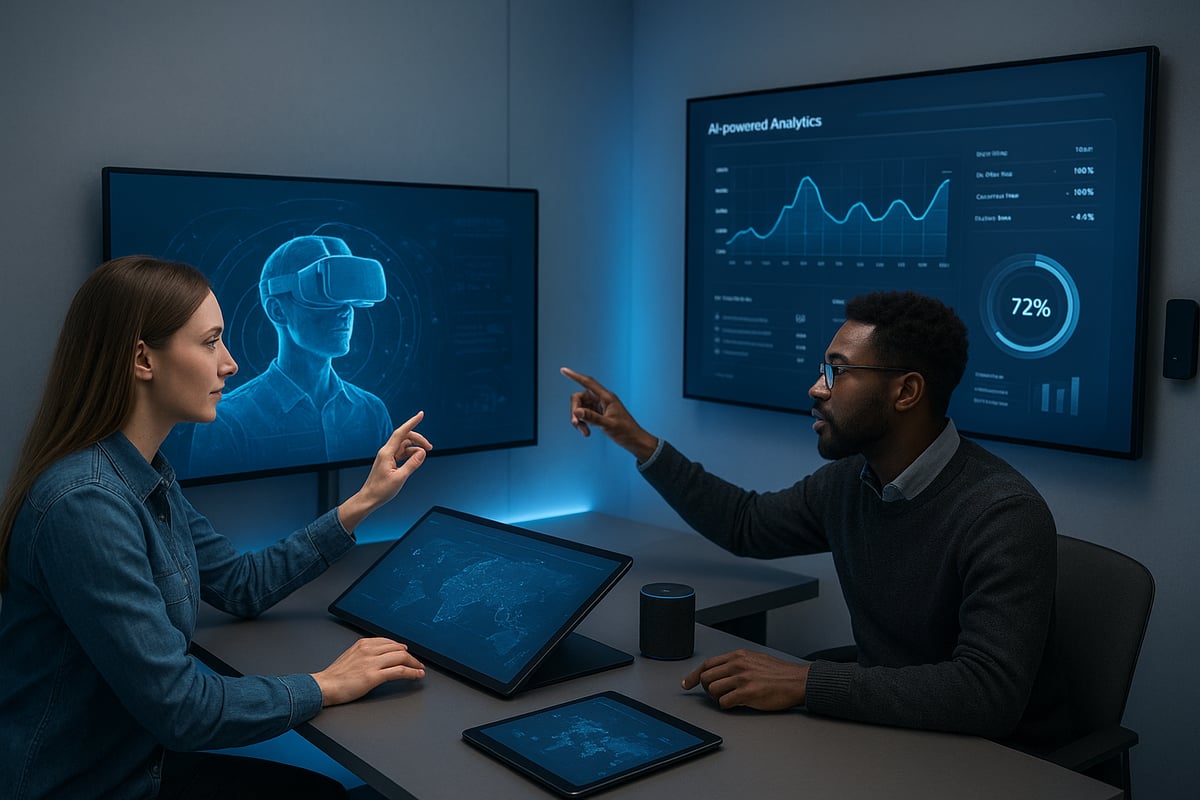
The landscape of digital design experience is rapidly evolving as new technologies redefine how users interact with brands, products, and services. By 2026, organizations that harness these emerging trends will set themselves apart, creating experiences that are not only innovative but also deeply human-centered and adaptive. Let us explore the technologies and trends shaping the future of digital design experience.
AI and Predictive Personalization
Artificial intelligence is at the core of digital design experience, driving hyper-personalized interfaces and content. AI analyzes user behavior in real time, quickly adapting layouts, recommendations, and workflows to individual preferences. For example, streaming services like Netflix use AI to tailor content suggestions, boosting engagement and satisfaction. Retailers are also leveraging smart assistants that anticipate customer needs, creating smoother journeys. As AI continues to advance, predictive personalization will become standard, making each interaction uniquely relevant. For deeper insights, explore AI-Powered Hyper-Personalization in Web Design to see how AI shapes the future of digital design experience.
AR/VR and Immersive Environments
Augmented and virtual reality are transforming digital design experience by making interactions more engaging and memorable. Businesses now create mixed-reality galleries, interactive product showcases, and virtual showrooms that immerse users in new worlds. The AT&T Discovery District, for example, uses AR installations to blend public spaces with digital storytelling, drawing visitors into interactive narratives. Organizations that integrate AR/VR into their digital design experience provide emotionally resonant touchpoints, fostering deeper brand loyalty. As these technologies become mainstream, expect even more compelling and interactive customer journeys.
IoT and Connected Spaces
The Internet of Things is weaving digital design experience into the fabric of our everyday environments. Smart sensors, beacons, and connected devices enable real-time interactions, from touchless entry systems to adaptive lighting and personalized wayfinding. In retail, IoT powers seamless checkout and dynamic product displays, responding to user presence and preferences. Deloitte’s Innovation Labs showcase how connected spaces can drive collaboration and productivity. As IoT adoption grows, digital design experience will become increasingly context-aware, delivering seamless and adaptive solutions that anticipate user needs.
Sustainable and Ethical Design
Sustainability and ethics are now foundational to digital design experience. Eco-friendly materials, efficient interfaces, and ethical data practices are essential. Forward-thinking organizations prioritize green hosting and transparent privacy controls, building trust with users. Sustainable web design reduces energy usage, while ethical guidelines prevent manipulative patterns and foster user confidence. As regulations evolve and consumers demand more responsibility, aligning digital design experience with these principles will ensure lasting relevance and compliance. Brands that lead in this space will be recognized for their integrity and positive impact.
Omnichannel and Phygital Experiences
Omnichannel strategies are redefining digital design experience by connecting web, mobile, physical, and social channels into cohesive journeys. Retailers now offer unified loyalty programs, seamless transitions from online browsing to in-store purchases, and consistent support across platforms. Phygital experiences, which merge digital and physical interactions, create memorable moments and drive brand differentiation. For example, digital twins in retail environments allow instant updates and personalization, keeping the experience fresh and relevant. Investing in omnichannel design ensures higher retention, customer satisfaction, and a stronger competitive edge.
Accessibility and Inclusive Design
Accessibility is integral to digital design experience, ensuring everyone can engage fully regardless of ability, language, or context. Voice navigation, high-contrast modes, and robust localization support make experiences inclusive and compliant with global standards. Leading platforms now design for diverse audiences from the ground up, expanding their reach and reputation. To implement these practices effectively, review Inclusive design principles for accessibility and see how inclusive design shapes successful digital design experience. By prioritizing accessibility, organizations build trust and foster long-term loyalty.
Best Practices and Actionable Insights for 2026
As organizations look toward 2026, adopting best practices in digital design experience is no longer optional. The most successful brands are those that treat digital design experience as an ongoing investment, not a one-time project. This section reveals actionable insights to help your team thrive, adapt, and lead in a rapidly evolving landscape.
Building and Sustaining Omnichannel Experiences
A robust digital design experience requires seamless transitions across channels. Map every customer touchpoint, from mobile to in-store, and ensure the journey feels unified and effortless. Consistency in branding, messaging, and customer support is essential.
For example, leading retailers now integrate loyalty programs across online platforms and physical stores, letting users earn and redeem rewards anywhere. This omnichannel approach boosts engagement and retention, setting a new standard for digital design experience in 2026.
- Map all digital and physical touchpoints
- Maintain brand consistency everywhere
- Integrate support and loyalty programs
A strong omnichannel strategy ensures customers never feel lost, regardless of where their journey begins.
Leveraging Data for Continuous Improvement
Data is the backbone of a future-ready digital design experience. Top organizations use analytics, heatmaps, and direct user feedback to refine every interaction. Implementing A/B testing and personalization at scale drives measurable improvements in engagement and satisfaction.
Streaming platforms like Netflix constantly refine their UI based on viewing patterns, using insights to optimize recommendations and navigation. Staying ahead also means embracing emerging technologies in digital transformation like AI and machine learning to uncover trends and opportunities.
- Analyze user behavior with data tools
- Conduct regular usability tests
- Personalize experiences based on real insights
Continuous improvement is not a trend, but a necessity for digital design experience excellence.
Fostering Collaboration Across Teams
Cross-functional teamwork is essential for delivering a standout digital design experience. Break down silos between design, development, marketing, and operations. Shared frameworks, communication tools, and agile methodologies help teams align and deliver cohesive solutions.
At top design agencies, cross-disciplinary teams come together to tackle projects from multiple perspectives, ensuring that every aspect of the digital design experience is optimized. This collaboration fuels creativity and drives innovation.
- Use agile project management
- Facilitate open communication
- Encourage shared ownership of outcomes
The best digital design experience outcomes are born from unified, collaborative efforts.
Prioritizing Accessibility and Inclusivity
Inclusive digital design experience is a hallmark of industry leaders in 2026. Adopting universal design principles ensures your products reach the widest possible audience. Testing with diverse user groups and complying with accessibility standards like WCAG is essential.
Platforms that prioritize features such as multilingual support, high-contrast modes, and assistive technology integration not only meet legal requirements but also show a commitment to every user. These actions build trust and expand market reach.
- Test with users of varying abilities
- Offer accessible navigation and content
- Regularly audit for compliance
Accessibility is not just a checkbox, it is key to a truly impactful digital design experience.
Ethical and Sustainable Design Practices
Building trust in your digital design experience starts with ethical and sustainable practices. Audit interfaces for dark patterns and prioritize user privacy at every stage. Choose green hosting providers and adopt energy-efficient design solutions to reduce environmental impact.
For instance, companies now use transparent opt-in processes for data collection and curate content with ethical considerations. These practices not only protect users but also align brands with growing consumer expectations for responsibility.
- Avoid manipulative UX patterns
- Use sustainable technologies
- Be transparent with data use
Ethical design supports a lasting, positive relationship with your audience and the planet.
Investing in Talent and Future Skills
Future-proofing your digital design experience means upskilling teams in areas like AI, AR/VR, data analytics, and human-centered design. Encourage continuous learning through workshops, certifications, and hands-on experimentation.
Organizations that invest in their people foster a culture of innovation and adaptability. Ongoing training ensures your team can leverage the latest trends and technologies to deliver exceptional digital design experience.
- Provide regular training opportunities
- Host design thinking workshops
- Promote a growth mindset
Empowered teams are your greatest asset for navigating the future of digital design experience.