

In 2026, capturing attention online is tougher than ever, with brands competing fiercely for every click. Your branding website design now plays a critical role in shaping how customers see your business and whether they choose you over the competition.
This guide will show you how to build a branding website design that not only stands out but also attracts your ideal audience and fuels real growth.
Explore the latest trends, proven strategies, and expert tips that will help you future-proof your brand’s website. Ready to elevate your digital presence? Let’s get started.
The Evolution of Branding Website Design: Trends for 2026
Over the past decade, branding website design has seen a dramatic transformation. What began as static brochure sites has evolved into immersive, interactive experiences that reflect a brand’s personality and values. Today, 78% of consumers judge a brand’s credibility based on website aesthetics, making design a critical factor in digital success.
Key Trends Shaping 2026
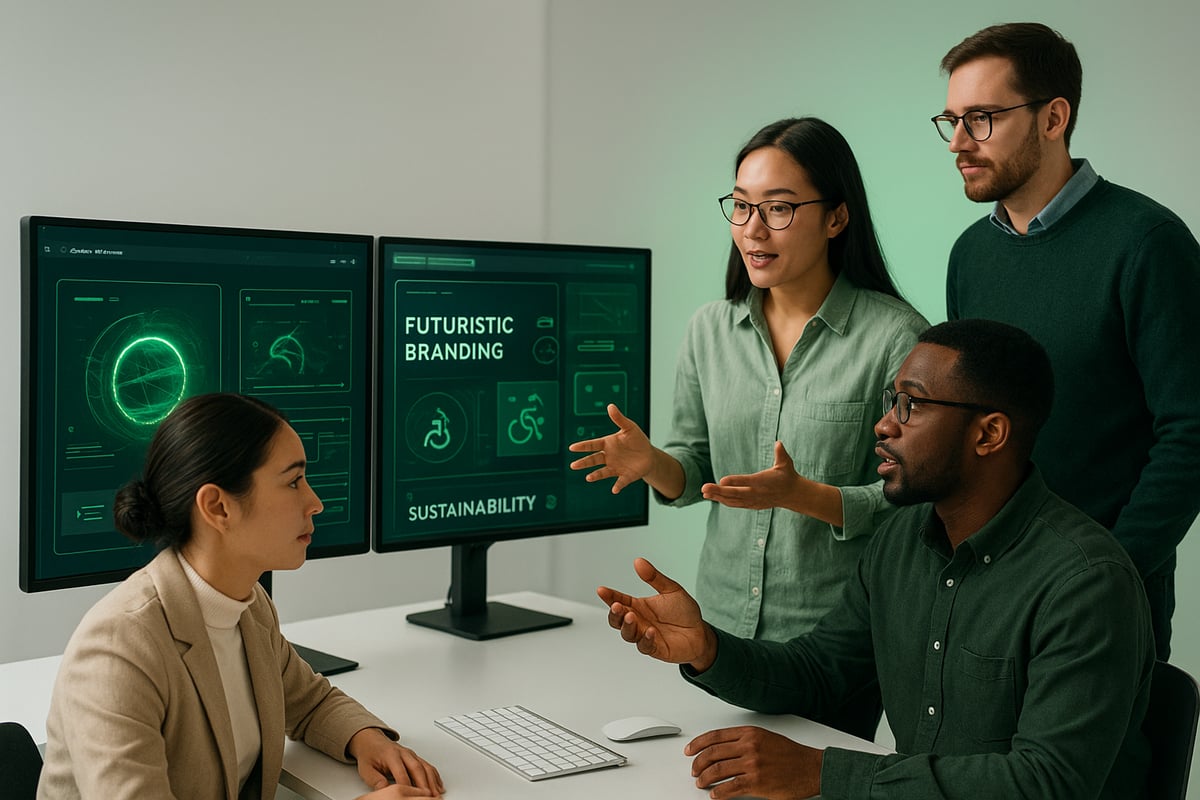
The landscape for branding website design in 2026 is defined by rapid innovation and user-centric strategies. Artificial intelligence drives deep personalization, analyzing browsing patterns to present tailored content and product recommendations. Micro-interactions, such as animated buttons and hover effects, create engaging touchpoints that guide users intuitively.
Immersive 3D and augmented reality elements now allow brands to showcase products in lifelike detail or create virtual try-on experiences. Ultra-fast loading, supported by advanced hosting and optimized code, ensures visitors are never left waiting. According to Top Web Design Trends for 2026, hyper-personalization and interactive storytelling are must-haves for future-ready branding website design.
| Trend | Description | Impact on Brand |
|---|---|---|
| AI Personalization | Customizes content for each visitor | Higher loyalty |
| Micro-interactions | Engages users through subtle animations | Better UX |
| 3D/AR Experiences | Immersive product showcases and try-ons | Deeper trust |
| Ultra-fast Performance | Lightning-quick load times | Reduced bounce |
Sustainability and Ethical Design
Conscious consumers expect brands to demonstrate responsibility in every aspect, including branding website design. Green hosting, which relies on renewable energy, reduces a brand’s digital carbon footprint. Minimalist layouts not only support faster loading but also signal transparency and clarity, which increases brand trust.
Ethical design choices, such as avoiding dark patterns and prioritizing privacy, further reinforce a positive brand image. These sustainable practices are becoming standard for brands that want to inspire long-term loyalty.
Accessibility and Inclusivity
A modern branding website design must be accessible to everyone, regardless of ability or location. Global audiences demand interfaces that work seamlessly with screen readers, offer high-contrast modes, and provide keyboard navigation.
Inclusive design opens your brand to a broader market and demonstrates a genuine commitment to social responsibility. With 15% of the world’s population living with a disability, prioritizing accessibility is not just a best practice but a business imperative.
Major Brands Leading the Way
Industry leaders such as Nike and Apple have set new benchmarks in branding website design by adopting interactive product showcases and dynamic storytelling. Nike’s digital platforms use AR to let customers visualize shoes in real time, while Apple’s product pages feature seamless transitions and engaging micro-interactions.
Brands that keep pace with these trends outperform competitors in engagement and loyalty. The future of branding website design is experience-driven and hyper-personalized, where every detail is crafted to resonate with the ideal audience. Adapting to these innovations now ensures your brand remains relevant and influential in the years ahead.
Core Elements of Effective Branding Website Design
Standing out in today’s digital landscape requires more than a beautiful homepage. The foundation of every successful branding website design rests on a set of core elements that work together to shape perception and build trust. Let’s break down what makes a branding website design not just visually appealing, but powerfully effective.
Visual Identity
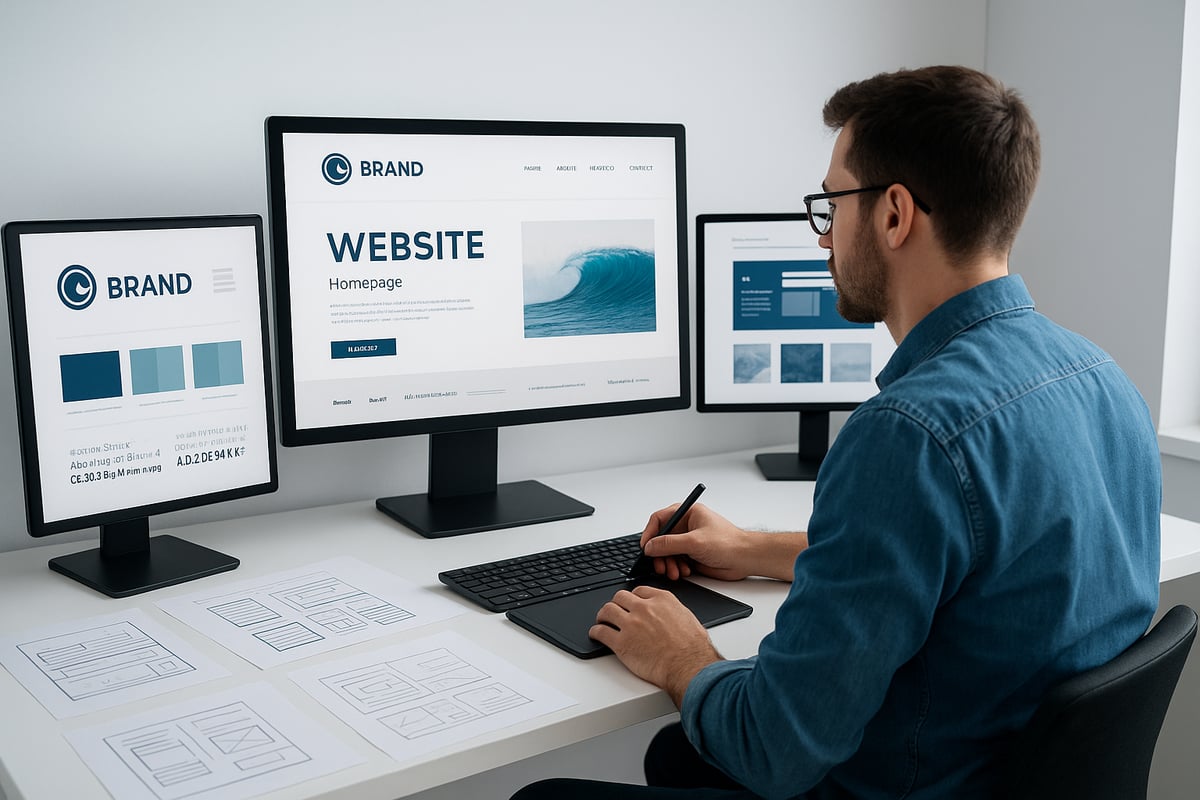
A consistent visual identity is the backbone of any impactful branding website design. This includes your logo, color palette, and typography, all working in harmony across every page. Consistency creates instant recognition and reinforces your brand’s personality.
Consider how top brands use their visual assets: the logo anchors each page, the color scheme evokes emotion, and the typography sets the tone. According to recent data, 94% of first impressions are design-related, making these choices crucial.
For a deeper dive on developing a unified brand image, see Crafting a Powerful Online Brand Identity, which shares practical strategies for building visual cohesion.
Brand Voice and Messaging
Your website is your digital spokesperson. The words you choose, from headlines to calls to action, define your brand’s voice. Authentic, clear messaging makes your brand relatable and memorable.
Effective branding website design features copy that speaks directly to your target audience. Use language that reflects your values and mission. Storytelling, when woven naturally into your content, turns visitors into loyal fans.
Short, punchy headlines and purposeful CTAs guide users through your site, creating a seamless experience that supports your brand promise.
User Experience (UX)
User experience is the silent driver of engagement within branding website design. A site that’s easy to navigate keeps visitors exploring, while confusing layouts push them away.
Focus on intuitive navigation menus, logical page structures, and mobile responsiveness. Modern users expect smooth performance on any device. Studies show that sites with seamless UX have higher retention and conversion rates.
A simple, well-organized layout ensures visitors find what they need quickly, building trust through usability and accessibility.
Trust Signals
Trust is earned through transparency and social proof. Effective branding website design showcases testimonials, certifications, and clear company information to reassure visitors.
Display customer reviews, industry awards, and privacy assurances where users can easily see them. These elements reduce skepticism and foster confidence in your brand.
Below is a quick comparison of how trust signals can transform perception:
| Before Redesign | After Redesign |
|---|---|
| No testimonials | Prominent reviews |
| Sparse contact info | Clear contact page |
| Generic imagery | Real team photos |
A strategic mix of trust-building elements can make the difference between a casual visitor and a loyal customer.
Why Cohesive Branding Matters
Bringing together these core elements in your branding website design creates a unified experience that builds recognition and trust. Brands that achieve this balance are more likely to retain customers and stand out in crowded markets.
Remember, the most effective sites blend creativity with usability. Invest in both and your website will serve as a powerful brand ambassador for years to come.
Step-by-Step Guide: Planning and Designing Your Branding Website for 2026
Ready to transform your digital presence? This step-by-step guide breaks down the process of branding website design for 2026, ensuring every decision aligns with your brand’s mission and future goals. By following these actionable steps, you’ll create a site that resonates with your audience and sets your brand apart.

Defining Your Brand Strategy
The foundation of any successful branding website design is a clear brand strategy. Start by identifying your core values, mission, and target audience. This clarity will guide every design and content decision.
Focus on your brand positioning and unique selling proposition (USP). Ask: What makes your brand different in 2026? For example, Patagonia’s commitment to sustainability shapes its entire branding website design, from eco-friendly visuals to purpose-driven messaging.
A strong strategy ensures your branding website design aligns with business objectives. Brands with a defined strategy see a 23 percent boost in customer loyalty. Make your values visible and relatable across each page.
Mapping the User Journey
Understanding your audience is central to effective branding website design. Begin by outlining key user personas. Define their goals, pain points, and motivations.
Next, map out each website touchpoint, from discovery to conversion. For an e-commerce brand, this journey may include product search, comparison, checkout, and loyalty programs. A service brand might focus on consultation booking and testimonial discovery.
User-centric branding website design increases engagement and conversions. Remember, 70 percent of users will abandon sites with confusing navigation. Structuring journeys around user needs ensures a seamless brand experience.
Crafting Visual and Content Assets
Distinctive visuals and messaging are vital for memorable branding website design. Start by designing your logo, selecting a color palette, and choosing fonts that reflect your brand’s personality.
Develop custom imagery, iconography, and multimedia elements. Write compelling headlines, authentic brand stories, and clear calls to action. Airbnb, for instance, uses unique illustrations to reinforce its identity and foster recognition.
Custom assets help your branding website design stand out in a crowded market. Invest in original visuals and consistent copy to build trust and recognition with every visit.
Website Architecture and Wireframing
A well-structured branding website design starts with a strategic site map. Plan essential pages like homepage, about, services, blog, and contact. Prioritize hierarchy and logical flow to guide users effortlessly.
Wireframing is the next step. Sketch layouts for each key page, focusing on navigation and content placement. Use wireframe templates favored by top agencies to streamline the process.
Good architecture can reduce bounce rates by up to 40 percent. Thoughtful branding website design ensures visitors find what they need quickly, reinforcing positive brand perceptions.
Designing for Accessibility and Performance
Accessibility and performance are non-negotiable for branding website design in 2026. Implement WCAG 2.2 standards to make your site usable for everyone. Optimize images, code, and hosting to ensure ultra-fast loading.
Brands that prioritize accessibility expand their reach, as 15 percent of the global population lives with a disability. Explore Inclusive Design Principles for Better Accessibility to ensure your branding website design is both inclusive and high-performing.
Accessible branding website design also improves SEO and broadens your audience, supporting long-term growth.
Testing, Launching, and Iterating
Before launch, conduct usability and A B testing with real users. Gather feedback and analyze performance data to refine your branding website design. Plan for regular updates and design evolution.
Shopify, for example, uses an iterative process to stay ahead of trends and user needs. Continuous improvement is key to maintaining relevance in 2026.
Ongoing optimization ensures your branding website design remains effective and competitive as user expectations evolve.
Integrating Advanced Technologies for Brand Differentiation
In 2026, integrating advanced technologies is a decisive factor in branding website design. Brands that leverage innovation set themselves apart, delivering tailored digital experiences that drive engagement and loyalty.
AI-Powered Personalization: Tailoring Every Experience
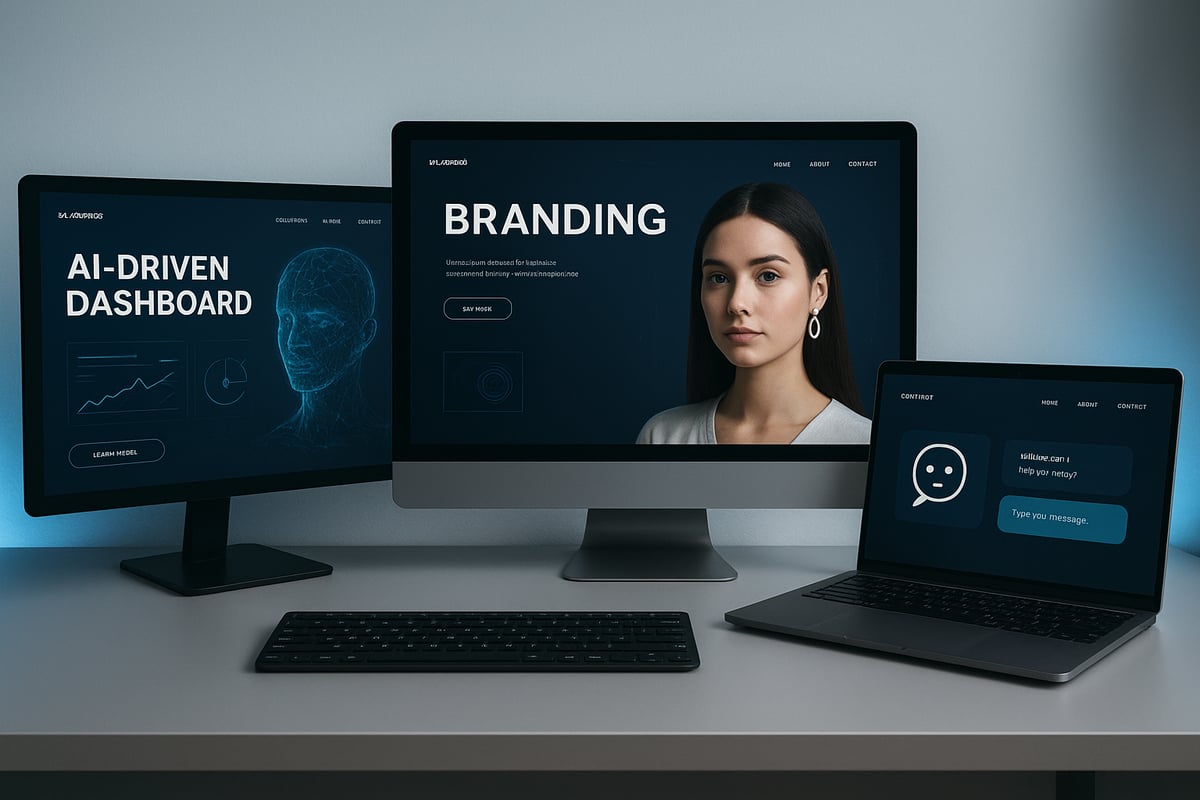
Artificial intelligence is transforming branding website design by enabling real-time personalization. Today’s users expect content, product recommendations, and even support to adapt instantly to their needs.
AI tools analyze user data to deliver tailored landing pages, dynamic product carousels, and predictive search suggestions. Chatbots powered by natural language processing provide instant, human-like customer service.
For example, eCommerce websites can display product suggestions based on browsing history, while B2B brands might surface relevant case studies for returning visitors. This level of customization boosts engagement and fosters brand loyalty.
According to industry forecasts, 63% of consumers expect personalized experiences as a standard feature of branding website design in 2026. Brands that embrace this shift not only improve user satisfaction but also gather valuable insights for ongoing optimization.
AR, VR, and Automation: Immersive and Efficient Interactions
Augmented reality and virtual reality are redefining how users interact with brands online. Features like virtual try-ons, interactive 3D product views, and immersive storytelling create memorable experiences that go beyond static images.
Fashion and beauty brands, for example, allow shoppers to virtually “try on” products, increasing confidence and reducing returns. Automotive and real estate sites use 3D tours to help users explore offerings from any location.
Automation is equally critical in modern branding website design. Smart forms streamline lead capture, automated appointment scheduling improves user convenience, and AI-driven chatbots handle customer support around the clock.
These technologies are at the forefront of web innovation, as highlighted in Website Design Trends 2026, which examines how immersive visuals and automation are shaping the future of digital branding.
Here’s a summary of how each technology benefits brand websites:
| Technology | Key Benefit | Branding Impact |
|---|---|---|
| AI Personalization | Tailored content & offers | Higher engagement & loyalty |
| AR/VR | Immersive, interactive journeys | Memorable brand experiences |
| Automation | Streamlined user tasks | Increased conversions, efficiency |
Strategic Integration and the Human Element
While advanced features set a brand apart, their value depends on thoughtful integration. Every technology added to a branding website design should align with business goals, meet user needs, and deliver measurable ROI.
Brands must evaluate scalability and ensure new tools do not complicate the user journey. Over-automation can risk alienating visitors if it feels impersonal, so maintaining a balance between innovation and genuine human connection is vital.
Continuous testing and user feedback are key to refining advanced features. When executed with care, integrating these technologies positions your brand as forward-thinking, trustworthy, and ready for the future.
Measuring Success: KPIs and Continuous Optimization for Branding Websites
To build a future-proof branding website design, measuring success is as critical as the initial launch. Brands must go beyond aesthetics and track concrete metrics that reflect brand impact and user engagement.
Key Performance Indicators for Branding Website Design
Identifying the right KPIs is the foundation for understanding the effectiveness of your branding website design. These metrics offer a clear view of how your site shapes brand perception and drives business goals.
Essential KPIs include:
| KPI | What It Measures | Why It Matters |
|---|---|---|
| Brand Recall | User memory of your brand | Indicates memorability |
| Engagement Rate | Interactions per visit | Reflects content relevance |
| Conversion Rate | Actions taken (signups, sales) | Shows ROI of branding efforts |
| Net Promoter Score | Customer loyalty and advocacy | Predicts long-term growth |
A focus on these KPIs ensures your branding website design delivers measurable value, not just visual appeal.
Tools for Tracking and Analyzing Performance
To capture and interpret these KPIs, brands rely on robust digital tools. Google Analytics 4 is essential for tracking traffic, user flows, and conversion events. For deeper insights into user behavior, platforms like Hotjar and heatmaps visualize how visitors interact with each element of your branding website design.
Consider integrating session recordings and feedback widgets to spot friction points. By combining quantitative and qualitative data, you gain a holistic view of performance and can prioritize updates that enhance user experience.
For more guidance, explore Best Practices for Website Design to align tracking strategies with proven optimization techniques.
Real-World Example: Data-Driven Redesign
A compelling example of branding website design optimization comes from a retail brand that revamped its site after analyzing key metrics. By addressing low engagement and confusing navigation, the company streamlined page layouts and refined its messaging.
After relaunch, the brand saw a 30% increase in conversions and a significant boost in brand recall. This data-driven approach illustrates how continuous measurement and adaptation can directly impact business outcomes. For additional statistics on user perceptions, review Website Design Statistics 2025 to understand the benchmarks driving industry leaders.
Continuous Optimization: Staying Future-Proof
Success in branding website design does not end at launch. Regular audits, A/B testing, and user feedback cycles are essential for maintaining relevance. Set clear benchmarks for each KPI, monitor results, and be prepared to pivot strategies as market trends evolve.
A proactive approach to updates ensures your brand remains distinctive and trusted. Continuous optimization is the key to sustaining growth, increasing loyalty, and keeping your branding website design ahead of the competition.