
E-commerce is evolving at lightning speed, and staying ahead in 2026 means making strategic choices about your tech stack. The best ecom tools and platforms are now the backbone of online business success, driving higher sales, smoother operations, and better ROI. In this article, you will discover the 7 best ecom solutions proven to help you outperform the competition. Get ready for a deep dive into their features, pricing, and key benefits—so you can confidently choose the right tools to future-proof your business.
Why the Right Ecom Tools and Platforms Matter in 2026
The world of online retail is changing at an unprecedented pace. By 2026, global e-commerce sales are projected to soar, with new businesses entering the market daily. This surge brings not only exciting opportunities but also fierce competition. To stand out, brands must rely on the best ecom solutions that empower them to adapt quickly and deliver exceptional value.
The State of E-commerce in 2026
Today’s digital shoppers expect much more than just a simple online storefront. They want seamless transactions, personalized offers, and the ability to shop across multiple channels—whether on mobile, desktop, or even in-store. The best ecom tools are now designed to cater to these demands, enabling brands to create unified, omnichannel shopping experiences that keep customers engaged.
Consumer Expectations Redefined
Modern consumers value speed, convenience, and tailored interactions. Platforms that integrate marketing automation, real-time analytics, and personalized recommendations can dramatically improve conversion rates. According to industry reports, retailers using platforms with built-in marketing tools experience up to 30% higher sales compared to those without these features.
Technology as a Competitive Edge
AI, automation, and data-driven insights are transforming the best ecom platforms into powerhouses for growth. Artificial intelligence helps brands predict customer behavior, automate repetitive tasks, and optimize inventory levels. Tools leveraging AI can increase customer retention by delivering more relevant shopping experiences. For a deeper look at how these trends will evolve, see E-commerce trends for 2026.
Pain Points Solved by the Best Ecom Tools
Choosing the right technology stack can solve many common pain points:
- Cart abandonment: Automated reminders and personalized offers recover lost sales.
- Inventory management: Real-time tracking and smart forecasting prevent stockouts.
- Multi-channel selling: Centralized dashboards streamline sales across web, mobile, and marketplaces.
Table: How the Best Ecom Tools Drive Results
| Challenge | Solution Provided by the Best Ecom Tools | Impact |
|---|---|---|
| Cart Abandonment | Automated emails, SMS, personalized pop-ups | Higher recovery rates |
| Inventory Management | Real-time syncing, demand forecasting | Fewer stock issues |
| Multi-Channel Selling | Unified order and inventory management | Consistent customer journey |
| Rising Costs | Automation, integrated analytics | Lower operational expenses |
Efficiency and Growth
Brands that chose the best ecom platforms have reported dramatic improvements in both efficiency and ROI. For example, businesses that upgraded their tech stack achieved faster order processing, reduced manual errors, and unlocked new sales channels with ease.
Adapting to the Future
As e-commerce models evolve, scalable, secure, and flexible solutions are no longer optional—they are essential. The best ecom tools enable companies to pivot quickly, remain compliant, and protect customer data, all while supporting growth ambitions.
Selecting the right platform is not just about keeping up. It is about gaining an edge in a crowded market, meeting rising expectations, and building a foundation for long-term success.
7 Best Ecom Tools and Platforms to Boost Sales in 2026
In the fast-paced world of online business, having the best ecom solutions is no longer optional. The right mix of tools and platforms can elevate your store, boost sales, and simplify operations. Below, we present a curated list of seven standout platforms, each analyzed for its features, pricing, benefits, and unique strengths. For a deeper dive into top website builders, you may also want to explore the Best e-commerce website builders guide.
Shopify
Shopify stands out as a leader among the best ecom platforms, catering to businesses of all sizes. With pricing tiers starting at $29 for Basic, $79 for Grow, and $299 for Advanced, Shopify offers flexibility for every growth stage. Transaction fees apply based on the plan and payment gateway.

Core features include:
- Drag-and-drop builder
- 70+ customizable themes
- Real-time analytics
- Unlimited products
- Integrated marketing tools
- Multichannel selling
Shopify’s strengths lie in its robust app ecosystem and lightning-fast load times. The one-click checkout experience helps reduce cart abandonment, and 24/7 support ensures help is always available.
Ideal use cases:
Entrepreneurs scaling from startup to enterprise, thanks to high scalability and ease of use.
Pros:
Beginner-friendly, strong customer support, and seamless scalability.
Cons:
Additional fees for premium themes or plugins and limited checkout customization.
Over 1 million online shops trust Shopify globally, making it one of the best ecom choices for those seeking reliability and growth. Its ecosystem empowers brands to launch, scale, and innovate quickly.
BigCommerce
BigCommerce is another notable name in the best ecom space, especially for brands with complex needs. Pricing starts at $29 for Standard, $79 for Plus, $299 for Pro, and custom quotes for Enterprise. A key advantage is that there are no transaction fees, which maximizes profit margins.
Key features:
- Advanced inventory and order management
- Unlimited products
- Strong SEO tools
- Multi-currency support
- B2B capabilities
BigCommerce is built for growth, offering high customization and robust analytics. Its flexible APIs allow seamless integration with other business systems, making it ideal for fast-growing businesses and mid-market retailers expanding internationally.
Pros:
Flexible APIs, scalable infrastructure, no transaction fees.
Cons:
A steeper learning curve and some premium features are only available at higher tiers.
Competitor reviews highlight BigCommerce for its advanced inventory solutions. For businesses aiming for international expansion, it is one of the best ecom platforms available.
Wix eCommerce
Wix eCommerce is a top contender for those searching for the best ecom solution with quick setup and ease of use. Pricing ranges from $28.10 to $143.10 per month, with discounts available and no transaction fees.
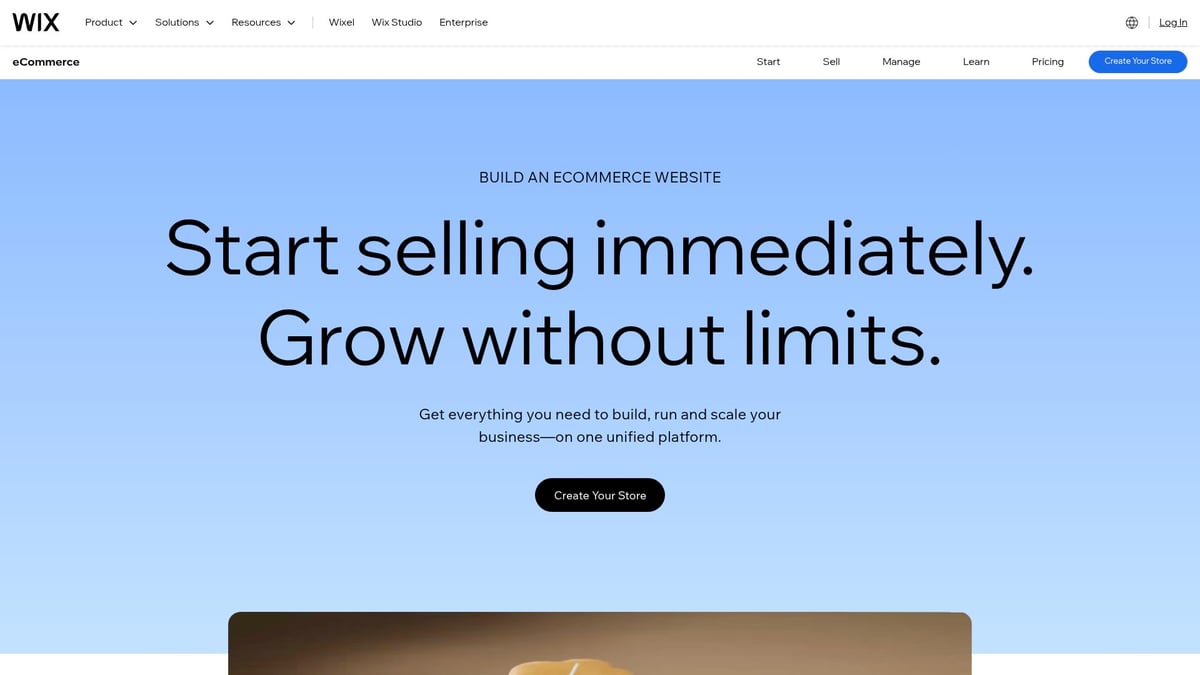
Features include:
- Drag-and-drop builder
- 500+ templates
- Abandoned cart recovery
- Loyalty programs
- Integrated ad credits
Wix offers an all-in-one platform with intuitive design and a mobile app for on-the-go management. It is especially well-suited for small businesses and entrepreneurs with minimal tech experience.
Pros:
User-friendly interface, modern themes, and 24/7 support.
Cons:
Limited advanced marketing features and changing templates post-launch is challenging.
With over 110 million websites powered by Wix, it stands out as one of the best ecom platforms for startups and new brands wanting to launch quickly.
Squarespace
Squarespace is renowned among the best ecom platforms for its visually stunning templates and integrated e-commerce functionality. Prices range from $14.40 to $89.10 per month when using a code, with transaction fees varying from 0% to 2% by plan.
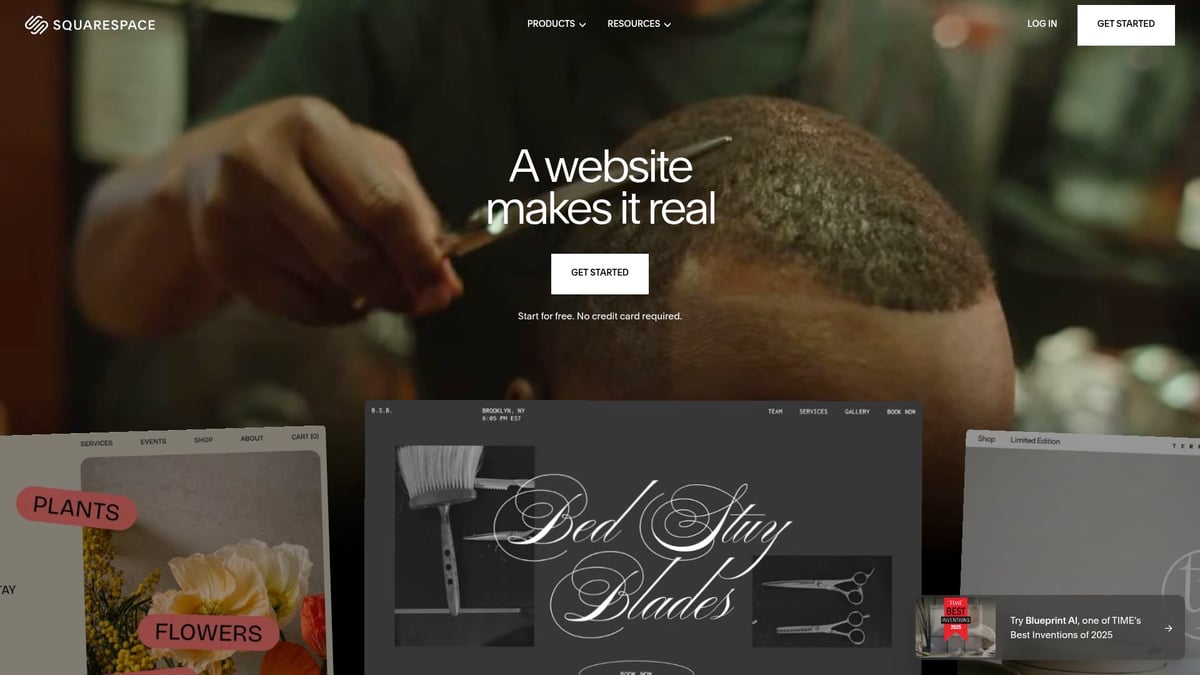
Core offerings:
- Visually driven templates
- Built-in e-commerce
- Inventory management
- Social media integrations
- Analytics dashboard
Squarespace is ideal for creatives, boutiques, and brands that prioritize aesthetics, such as fashion, wellness, and beauty businesses.
Pros:
Beautiful designs, easy content management, strong integrations.
Cons:
Fewer advanced e-commerce features compared to Shopify or BigCommerce.
Squarespace is top-rated for visually driven businesses, making it one of the best ecom choices for brands that want to stand out with immersive galleries and impactful storytelling.
Omnisend
Omnisend is a marketing automation platform recognized as one of the best ecom tools for driving repeat purchases and personalized engagement. It offers a free plan, with paid plans starting at $16 per month.

Key features:
- Email and SMS marketing automation
- Segmentation
- Product recommendations
- Cart recovery
- Analytics
Omnisend boosts sales with targeted omnichannel campaigns and integrates smoothly with major e-commerce platforms.
Pros:
Powerful automation, user-friendly, strong ROI.
Cons:
Some advanced features are reserved for higher-tier plans.
E-commerce brands using Omnisend have seen up to 30% higher sales, thanks to automation and data-driven campaigns. For stores wanting to automate and personalize marketing, it is among the best ecom solutions.
Sellfy
Sellfy is a straightforward platform for creators, small stores, and digital product sellers looking for the best ecom tool for fast monetization. Pricing starts at $29 for Starter, $79 for Business, and $159 for Premium, with a 14-day free trial.
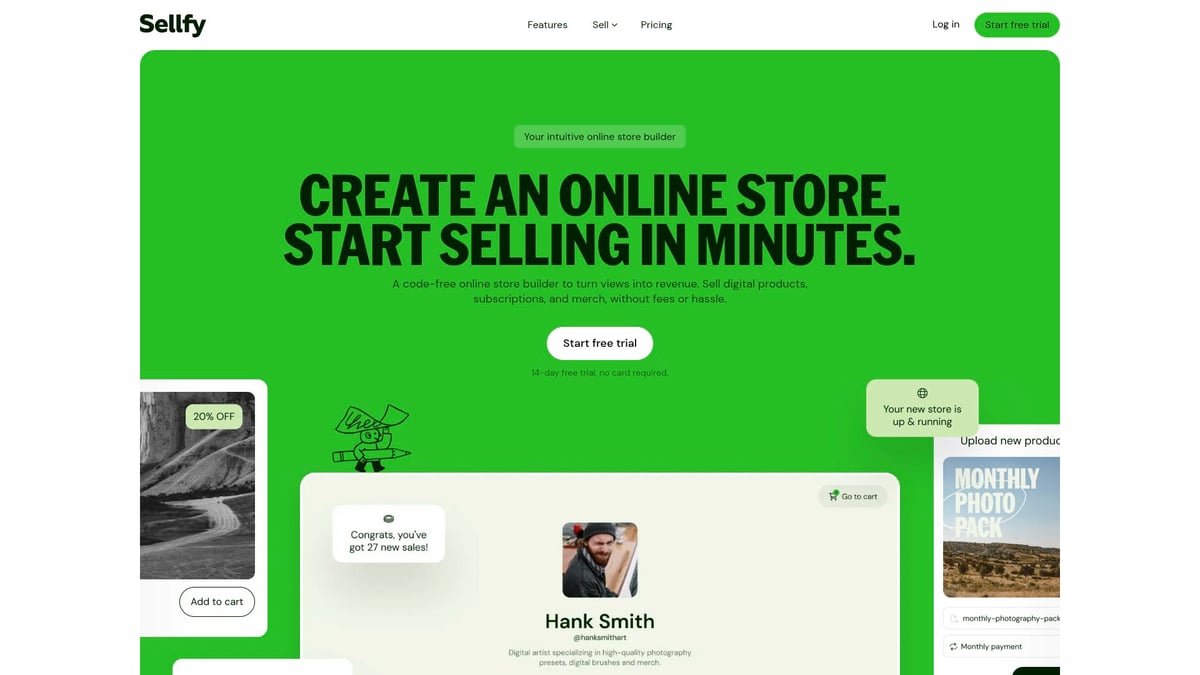
Features:
- Sell digital and physical products
- Print-on-demand
- Built-in marketing tools
- Freebie category
- Unlimited listings
Sellfy’s simple setup and mobile app make it accessible for artists and creators. Global selling is enhanced with automatic translations.
Pros:
Easy to use, strong digital goods support, 24/7 email support.
Cons:
Limited themes and fewer native integrations.
Competitor analysis ranks Sellfy highly for creators and small stores, making it a best ecom choice for those needing to monetize quickly and efficiently.
Square Online
Square Online is a top platform among the best ecom options for hospitality and retail businesses. It offers a free plan and paid plans up to $79 per month.

Notable features:
- Seamless Square POS integration
- Unlimited products
- Order management
- Curbside pickup and delivery
- Multi-channel selling
Square Online is perfect for restaurants, cafes, and local retailers expanding into online sales. The platform syncs easily with in-person transactions and has no platform transaction fees.
Pros:
Free entry-level plan, strong POS integration, and simple management.
Cons:
Limited design flexibility and basic feature set.
Competitor content highlights Square Online for its hospitality integration, making it a best ecom platform for brick-and-mortar businesses going digital.
In summary, each of these best ecom tools excels in different areas, from marketing automation to design and inventory management. Carefully assess your business needs to select the most suitable solution for 2026.
Key Factors to Consider When Choosing Ecom Tools and Platforms
Selecting the best ecom tools and platforms is a pivotal decision for any online business. As the digital marketplace becomes more competitive, the right choice can determine whether your brand thrives or struggles. Begin by assessing your business size, projected growth, and the specific needs of your target market. Are you planning to scale quickly, or do you need a solution tailored for a niche audience? These questions will guide your search for the most suitable e-commerce solution.
When evaluating the best ecom platform, focus on these essential criteria:
| Factor | Why It Matters | What to Look For |
|---|---|---|
| Scalability | Supports your business growth | Flexible plans, robust infrastructure |
| Customization | Adapts to your brand and workflow | Theme options, APIs, integrations |
| Transaction Fees | Impacts your profitability | Transparent pricing, low fees |
| Payment Options | Expands customer reach | Multiple gateways, global currencies |
| Marketing & Analytics | Drives sales and measures ROI | Built-in tools, automation, reports |
| Support & Community | Ensures smooth onboarding and troubleshooting | 24/7 help, forums, resources |
| Security & Compliance | Protects customer data and builds trust | SSL, PCI, privacy standards |
A platform with integrated marketing tools and low transaction fees can maximize profitability, according to competitor research. Use this checklist to compare options side by side, ensuring your chosen solution aligns with your goals.
Before making a final decision, review how each contender stacks up against your must-have features. Consider total cost of ownership, including hidden fees or add-ons, and prioritize platforms that offer strong onboarding and ongoing support. For a more detailed evaluation process, refer to this comprehensive guide on selecting the right e-commerce platform. By following a structured approach, you can confidently choose the best ecom solution to support your business growth in 2026.
E-commerce Trends Shaping Tool and Platform Selection in 2026
The best ecom strategies in 2026 are shaped by rapid, tech-driven shifts in buyer behavior and expectations. To stay ahead, brands must understand which trends truly influence platform selection and business performance.
AI-Driven Personalization and Automation
Artificial intelligence is now central to the best ecom platforms. AI powers personalized product recommendations, dynamic pricing, and automated customer service, helping brands boost conversion rates by up to 20 percent. Leading tools leverage machine learning to analyze shopping habits and deliver hyper-relevant experiences. According to global e-commerce predictions, personalization and AI are key to driving higher sales and retention.
Omnichannel Commerce and Mobile-First Experiences
Today’s shoppers expect seamless transitions between online stores, mobile apps, and physical locations. The best ecom solutions offer true omnichannel support, integrating inventory, loyalty programs, and order management across all touchpoints. Mobile commerce is growing rapidly, with voice-enabled shopping and social commerce features becoming standard. Businesses that prioritize mobile-first design see higher engagement and lower bounce rates.
Sustainability, Global Selling, and Localization
Sustainability is a rising priority for both consumers and brands. Platforms now highlight eco-friendly delivery options, ethical sourcing, and transparent supply chains. At the same time, global selling capabilities, such as multi-currency support and automatic translations, are essential for scaling internationally. The best ecom platforms make it easy to localize content and adapt to regional regulations.
Future-Proofing Through Innovation
With the pace of change accelerating, future-proofing your tech stack is vital. The best ecom tools are those that adapt quickly, integrate new technologies, and support evolving business models. Researching the latest e-commerce platforms and their features helps you identify solutions that prioritize adaptability, scalability, and robust support for innovation.
Selecting the best ecom platform for your business means staying informed about these trends. Prioritizing adaptability and forward-thinking features will keep your store competitive in 2026.