


Did you know that 88% of users leave a website after just one poor interaction? In 2026, the user experience is the single most critical factor separating digital leaders from those left behind.
As the digital landscape rapidly evolves, businesses and designers must master the user experience to stay competitive. This guide delivers proven strategies, future-ready insights, and real-world examples to help you succeed.
Discover how the user experience has changed, what modern users expect, and which technologies will shape tomorrow’s products. Get ready to elevate your digital products with actionable steps for measurable results.
Are you ready to lead in UX? Dive in and transform your approach for 2026 and beyond.
The Evolution of User Experience: 2026 and Beyond
The user experience has become the cornerstone of digital product success in 2026. As businesses compete for attention in crowded markets, delivering seamless, intuitive, and memorable experiences is now a non-negotiable requirement. The user experience encompasses every interaction a person has with a product or service, from the initial touchpoint to ongoing engagement. Its importance continues to grow as users demand more efficiency, personalization, and satisfaction in their digital journeys.
Over the past decade, the user experience has evolved rapidly. Early 2010s digital products often prioritized visual design or functionality in isolation. With the proliferation of smartphones, mobile-first design became essential. This shift forced organizations to rethink navigation, content delivery, and performance for smaller screens. By the mid-2010s, omnichannel experiences gained prominence, requiring consistency across web, mobile apps, and physical touchpoints. The user experience matured further as companies embraced design thinking, agile methodologies, and continuous improvement cycles.
The influence of mobile-first design and the rise of AI-driven automation have set new benchmarks for the user experience. Omnichannel strategies now ensure that users can start a task on one device and finish it on another without friction. AI algorithms enable predictive personalization, tailoring content and recommendations to individual preferences. For example, e-commerce platforms leverage machine learning to suggest products based on browsing history, while streaming services like Netflix refine recommendations in real time. These developments have made the user experience more dynamic and responsive than ever before.
Emerging technologies are reshaping user expectations and behaviors. Augmented reality (AR) and virtual reality (VR) immerse users in interactive environments, transforming how people shop, learn, and entertain themselves. Voice interfaces and smart devices, powered by the Internet of Things (IoT), allow users to interact hands-free, creating new accessibility opportunities and challenges. As these technologies mature, the user experience must adapt to new interaction models, such as spatial navigation and multimodal input, ensuring both usability and delight.
Shifts in user demographics, digital literacy, and global accessibility demands are driving further transformation in the user experience. Today’s digital audience is more diverse, spanning generations and abilities. Accessibility is no longer a compliance checkbox but a strategic imperative. Brands are investing in inclusive design, localization, and adaptive interfaces to serve global markets. Recent data highlights the stakes: 88% of online consumers are less likely to return to a site after a bad experience. According to the Impact of UX Design on Conversions, even small UX improvements can lead to significant gains in engagement and sales. Leading brands like Amazon have set new standards with streamlined checkouts, while Apple’s voice-driven interfaces showcase how speed and simplicity can drive loyalty. The user experience will continue to define digital winners and losers as we move deeper into 2026 and beyond.
Core Pillars of Modern User Experience Design
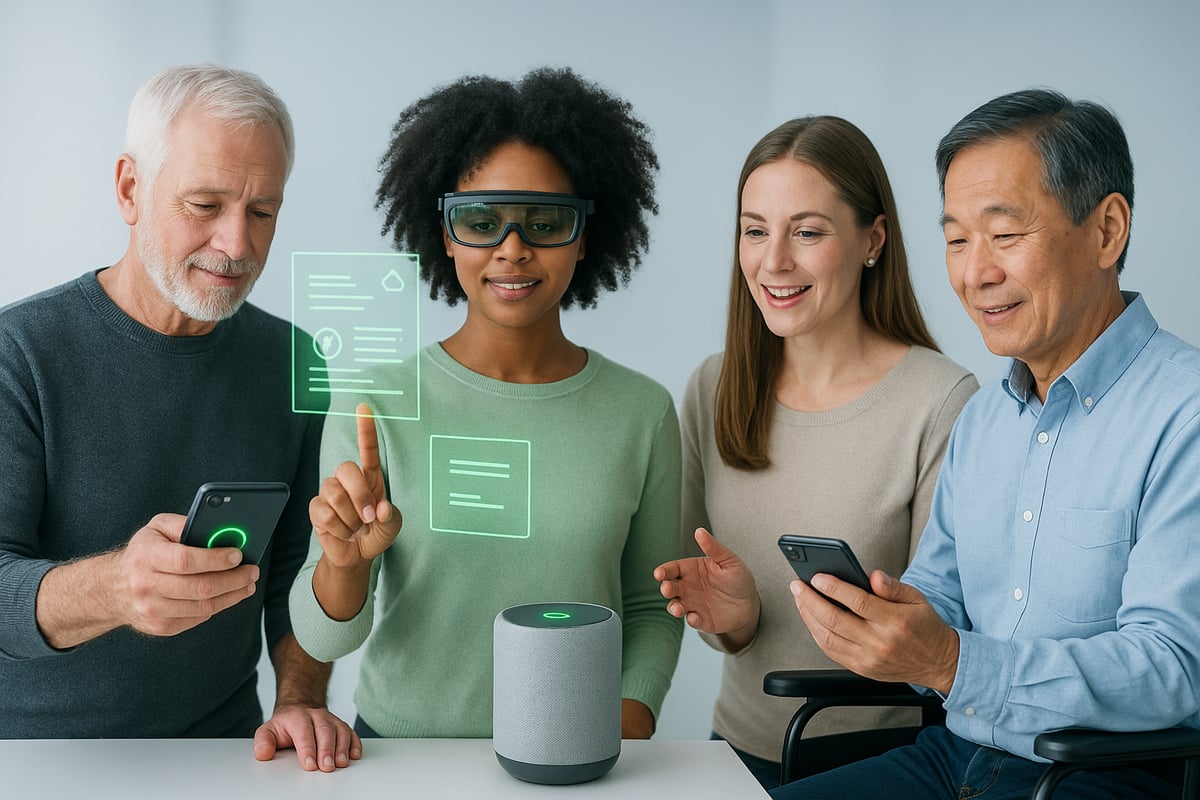
Modern digital products demand more than just appealing visuals and smooth navigation. To master the user experience in 2026, organizations must focus on three foundational pillars: understanding user needs, delivering seamless omnichannel experiences, and adopting data-driven, iterative design. These pillars ensure digital products remain relevant, accessible, and impactful in an ever-changing landscape.

Understanding User Needs in a Hyper-Personalized World
At the heart of the user experience lies a deep understanding of user needs, motivations, and behaviors. In 2026, successful teams prioritize empathy mapping and advanced user research to uncover not only what users do, but why they do it. This involves engaging with real users through interviews, surveys, and journey mapping.
Artificial intelligence has revolutionized personalization, enabling digital products to predict preferences and deliver tailored content. Predictive analytics now power features like dynamic homepages and personalized recommendations, as seen in platforms such as Netflix and leading e-commerce brands.
However, hyper-personalization must balance relevance with privacy. Users expect transparency about data usage and control over their profiles. Inclusive design is also essential, ensuring the user experience is accessible to people with varying abilities, backgrounds, and contexts.
For practical guidance on implementing these strategies, explore Best Website User Experience Practices. These methods help organizations deliver the user experience that feels personal, respectful, and universally approachable.
Inclusive design principles, when woven into every project phase, ensure no user is left behind. By focusing on the user experience, businesses build trust and loyalty in a crowded digital market.
Seamless Omnichannel and Cross-Device Experiences
Users today expect the user experience to remain consistent and intuitive across every channel, device, and touchpoint. Omnichannel UX means that whether a user starts shopping on a mobile app, continues on a desktop, or completes a purchase via voice assistant, their journey remains unified and frictionless.
Designing for this reality poses technical and creative challenges. Teams must coordinate responsive design, adaptive interfaces, and progressive web apps to ensure content adapts fluidly to any screen size or input method. Retailers who provide unified shopping carts and wishlists across devices see measurable increases in conversion rates and customer satisfaction.
Consider this comparison of omnichannel features:
| Touchpoint | Key Feature | User Benefit |
|---|---|---|
| Mobile App | Personalized offers | Convenience |
| Desktop Site | Detailed browsing | In-depth comparison |
| Voice Assistant | Quick reordering | Hands-free experience |
Delivering a seamless user experience across platforms builds brand trust and encourages repeat engagement. As digital ecosystems expand, the user experience must bridge every gap, ensuring users never feel lost or frustrated.
With evolving technology, the user experience becomes not just a differentiator, but a necessity for brands aiming to lead in 2026.
Data-Driven and Iterative Design Processes
Gone are the days when intuition alone guided design decisions. In 2026, data-driven processes anchor the user experience, making every update grounded in real user behavior. Teams rely on rapid prototyping, A/B testing, and continuous feedback loops to refine interfaces and workflows.
Competitor insights show that leading brands like Google and top SaaS companies use robust analytics platforms to monitor user journeys, identify pain points, and validate design changes. This evidence-based approach accelerates innovation and reduces costly missteps.
Consider these essential tools for iterative UX:
| Tool/Method | Purpose |
|---|---|
| Heatmaps | Visualize user interactions |
| Session Replays | Observe real user journeys |
| Micro-Surveys | Collect targeted feedback |
| A/B Testing | Compare design alternatives |
Agility is vital. As user needs shift and technologies evolve, the user experience must adapt quickly. Iterative cycles of testing and improvement empower teams to respond to feedback and deliver measurable business results.
By embedding analytics and feedback into every stage, organizations ensure the user experience remains aligned with both user expectations and business objectives.
Emerging Technologies Shaping UX in 2026
Staying ahead in the digital landscape means understanding how emerging technologies are reshaping the user experience. Rapid advancements are transforming how people interact with products, demanding that businesses and designers adapt to maintain relevance and satisfaction.
AI, Machine Learning, and Automation in UX
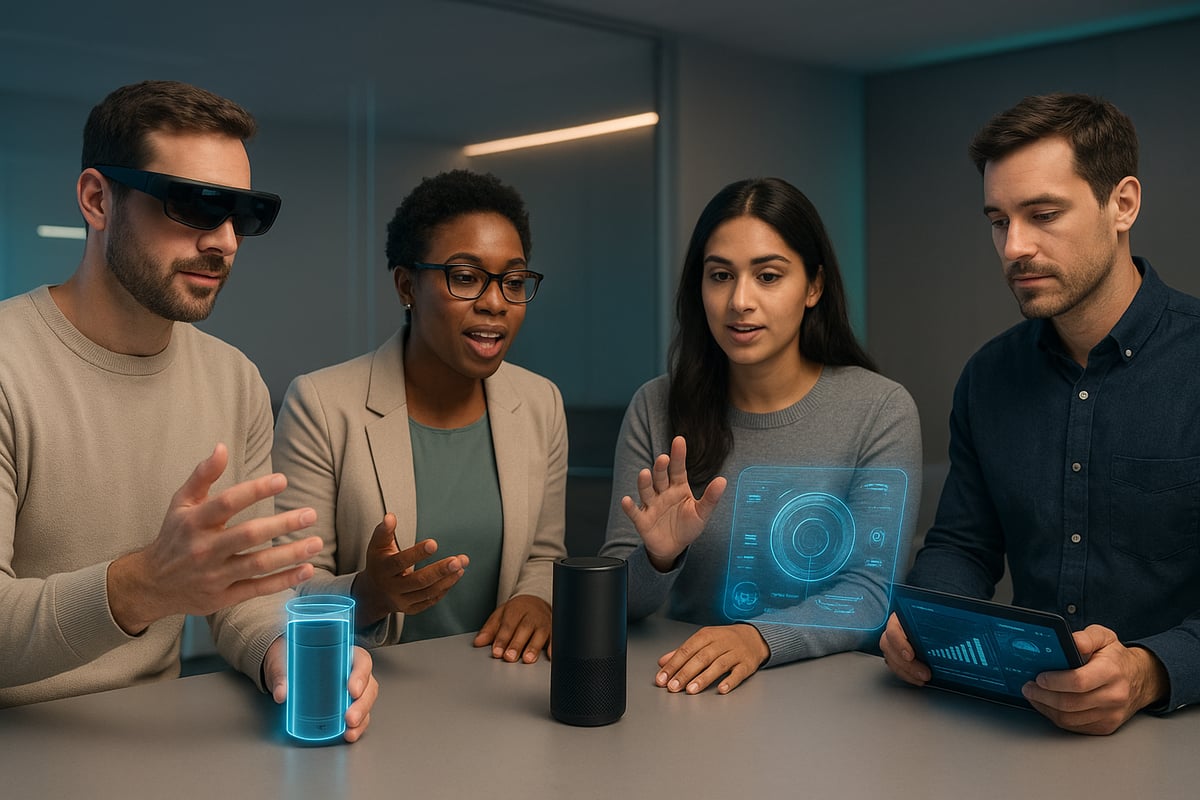
AI is fundamentally changing the user experience by delivering smarter, more personalized interactions. Today, machine learning algorithms analyze user behavior to predict needs, surface relevant content, and automate routine tasks. For example, AI-powered search engines provide instant, context-aware results, while recommendation engines tailor product suggestions to individual preferences.
Chatbots and virtual assistants have advanced dramatically, now offering natural language conversations and resolving customer issues with minimal human intervention. Automated customer support not only saves time but also ensures users receive consistent, accurate information. These innovations create seamless journeys, reducing friction and increasing engagement.
Competitors highlight that the user experience thrives on AI-driven value loops—systems that learn from every interaction to continually refine and improve. Investing in these technologies now positions teams to meet rising expectations in 2026.
Augmented Reality (AR), Virtual Reality (VR), and Spatial Computing
AR and VR are redefining the user experience by merging digital and physical worlds. Retailers use AR to let shoppers virtually try on clothing or visualize furniture at home, while educators deploy VR for immersive training and simulations. These technologies demand intuitive navigation and thoughtful design to prevent user discomfort and maximize engagement.
Designers must consider factors like minimizing motion sickness, ensuring clear visual cues, and creating accessible controls for all users. As spatial computing matures, experiences will become even more interactive, adapting to real-world environments and gestures.
For a deeper dive into how spatial computing and extended reality are influencing the user experience, review the Emerging Technologies to Watch in 2026 resource. These innovations signal a future where digital interactions are more natural, contextual, and impactful.
Voice, Gesture, and Touchless Interfaces
The user experience is evolving as voice assistants, gesture controls, and touchless navigation become mainstream. Smart home devices now respond to spoken commands, while gesture-based controls are standard in gaming, automotive, and wearable tech.
These interfaces offer significant accessibility benefits, allowing users with physical or visual impairments to interact with technology more easily. However, designers must address challenges like misinterpretation of commands and privacy concerns. Balancing usability with security will be crucial as these interfaces become integral to daily life.
Ethical Considerations and Responsible Design
With innovation comes responsibility. The user experience must prioritize ethical design, focusing on privacy, transparency, and fairness. As AI and automation collect and process vast amounts of data, clear communication about data use and consent is essential.
Algorithmic bias can unintentionally exclude or disadvantage certain groups. Competitors emphasize the importance of diverse data sets and regular audits to ensure equity. Brands that neglect ethical principles risk losing user trust and facing public backlash. Responsible design not only protects users but also secures long-term business success.
Accessibility, Inclusivity, and Global UX Standards
Creating digital products that everyone can use is no longer optional. In 2026, the user experience must meet the needs of a global, diverse audience. Businesses and designers are called to deliver solutions that not only comply with regulations, but also champion true inclusivity and accessibility.

Designing for Accessibility: Beyond Compliance
The user experience in 2026 demands a shift from minimal compliance to proactive, inclusive design. Modern standards like WCAG 3.0 and updated ADA guidelines set the foundation, but leading organizations go further, integrating accessibility into every design phase.
Consider e-commerce platforms that use automated alt-text for images and offer accessible checkout flows. These features ensure that users with visual impairments can navigate and purchase with ease. Alt-text automation is especially valuable as product catalogs grow, reducing manual effort while improving the user experience.
Global brands are embedding accessibility into their design systems, making it a default rather than an afterthought. For example, teams conduct accessibility audits at each sprint, catching issues before launch. According to competitor advice, this proactive approach saves time and builds trust with users.
To explore best practices and real-world examples, see Designing for Accessibility in UX.
Accessibility now extends to voice interfaces and AR experiences, where clear navigation and readable content are essential. As the user experience evolves, companies that prioritize inclusivity set themselves apart in the marketplace.
Cultural and Linguistic Adaptation
Localization is central to the user experience for global audiences. As digital products expand across borders, adapting interfaces for different languages and cultures becomes crucial. Multilingual support, region-specific content, and culturally relevant imagery all influence user comfort and engagement.
For instance, a travel app that displays local holidays, currency, and date formats creates a seamless experience for international users. Studies show that localized interfaces can increase conversion rates by up to 70 percent, directly impacting business success.
The user experience is also affected by subtle factors, such as reading direction and color symbolism, which vary by region. Design teams that invest in cultural research avoid costly missteps and foster loyalty among diverse user groups.
Competitors highlight the importance of continuous testing with local audiences to ensure content resonates and feels authentic. In 2026, localization is not an afterthought—it is a strategic advantage.
Inclusive Design for All Abilities and Contexts
Inclusive design means considering the full spectrum of human diversity in the user experience. This includes users with neurodiversity, varying cognitive abilities, and situational disabilities, such as using a device in low light or with one hand.
Features like dyslexia-friendly fonts, dark mode, and adjustable text sizes support a wider range of needs. Many platforms now offer voice commands and simplified navigation to reduce cognitive load.
Competitor insights suggest that involving people with different abilities in user research reveals overlooked barriers. By prioritizing inclusive design, organizations ensure the user experience is effective and enjoyable for everyone, regardless of ability or context.
User Research, Testing, and Validation for 2026
In 2026, excelling in the user experience means embracing new research, testing, and validation methods. Businesses that lead in this area adapt faster, meet evolving user needs, and consistently deliver standout digital products.
Modern Research Methods: Remote, Real-Time, and AI-Enhanced
The user experience landscape has shifted dramatically with the rise of remote and AI-powered research. Traditional in-person labs have given way to digital tools that gather insights from users worldwide, in real time. Teams now utilize remote usability testing, heatmaps, and session recordings to observe authentic behaviors across devices.
AI-enhanced analytics can process huge volumes of user data, revealing patterns that would be impossible to spot manually. For example, AI-driven surveys and sentiment analysis help uncover not just what users do, but why they do it. This empowers teams to validate design decisions quickly and with greater confidence.
Modern platforms like UserTesting, Maze, and Lookback enable rapid research at scale, making it easier than ever to test prototypes with diverse audiences. Global brands use these tools to refine the user experience, ensuring every iteration is backed by actionable data. According to Top UX Design Trends of 2026, leveraging AI and automation in user research is now a competitive necessity.
A recent case study highlights how a fintech company validated a new app interface with real users from five continents in just three days. This approach not only sped up development but also ensured the user experience resonated across cultures and markets.
Continuous Testing and Feedback Loops
Continuous testing is at the heart of the user experience in 2026. Instead of waiting for major releases, teams gather feedback throughout the product lifecycle. This approach combines micro-surveys, in-app feedback widgets, and session replays to capture user reactions as they happen.
Key techniques include:
- Integrating real-time feedback tools directly into digital products
- Conducting A/B tests to compare interface variations rapidly
- Using heatmaps to visualize where users click, scroll, or hesitate
Competitors stress the value of short, frequent feedback loops. These allow teams to spot issues early, iterate confidently, and avoid costly missteps. By making validation an ongoing process, organizations keep the user experience front and center in every decision.
Measuring and Communicating UX Success
Defining success in the user experience means tracking the right metrics and sharing them with stakeholders. In 2026, teams rely on both quantitative and qualitative data to paint a complete picture.
Essential UX metrics include:
| Metric | Purpose |
|---|---|
| Net Promoter Score (NPS) | Measures user loyalty and advocacy |
| System Usability Scale | Gauges perceived ease of use |
| Task Completion Rate | Tracks efficiency and effectiveness |
| Retention Rate | Assesses long-term engagement |
Dashboards and visualization tools make these insights accessible and actionable. Stakeholders can instantly see how changes impact the user experience, aligning business goals with user needs. According to 10 Key Trends in User Experience for 2026, transparent reporting builds trust and drives continuous improvement.
Clear communication is vital. Teams should tailor reports to their audience, highlighting wins, challenges, and next steps. This keeps everyone invested in elevating the user experience and achieving measurable results.
Growing as a UX Professional: Skills, Teams, and Leadership
Staying ahead in the user experience field requires more than technical proficiency. As digital landscapes evolve, UX professionals must grow their skills, influence, and strategic vision. This section explores key competencies, leadership approaches, and future opportunities for those aiming to lead in the user experience by 2026.
Essential Skills and Mindsets for the 2026 UX Leader
To thrive in the user experience domain in 2026, adaptability is essential. The pace of digital change demands that leaders embrace systems thinking and collaborate across disciplines. Success in the user experience now calls for blending design expertise with business acumen and data literacy.
Key skills for future UX leaders include:
- Rapid problem-solving and prototyping
- Deep understanding of user research and analytics
- Strategic communication with stakeholders
- Fluency in AI-driven design tools and automation
- Emotional intelligence and empathy for users and teams
Adopting a lean UX mindset helps professionals achieve more with fewer resources. Leaders who can interpret data, align teams, and maintain a user-centered focus will drive measurable impact. According to UI/UX Design Trends for 2026, human-centered design and ethical considerations are rising in importance, shaping how the user experience evolves.
The user experience leader must also prioritize lifelong learning and mentorship, ensuring teams stay adaptable and innovative.
Building Support and Influence in Organizations
Making the user experience a core priority requires strong advocacy within organizations. UX professionals often start as a “team of one,” needing to build alliances and demonstrate value to stakeholders.
Effective influence strategies include:
- Presenting user research and data to support decisions
- Sharing success stories of UX-driven business outcomes
- Facilitating workshops to align cross-functional teams
Developing relationships with executives and product owners amplifies the impact of the user experience. Regularly communicating wins, challenges, and user insights fosters trust and positions UX as a strategic asset.
Competitor testimonials reveal that successful UX advocates use storytelling and data to gain buy-in. By championing user needs and organizational goals, professionals can scale their influence and drive sustainable change.
Career Development and Lifelong Learning
Continuous growth is vital in the user experience profession. Professionals are encouraged to attend industry conferences, pursue certifications, and join online communities to keep skills current.
Mentorship and knowledge-sharing play a crucial role in personal and team development. Engaging with peers and learning from seasoned leaders helps individuals adapt to emerging trends.
Resources such as webinars, specialized courses, and collaborative forums ensure the user experience skillset remains sharp and relevant.
Future Trends and Opportunities in UX Careers
Looking ahead, new opportunities are emerging within the user experience, including roles focused on AI, spatial UX, and global collaboration. The shift to remote work expands access to talent and diverse perspectives, making teamwork across borders more common.
Predictions suggest the user experience will increasingly intersect with data science, ethics, and immersive technology. Staying informed about industry trends, such as those highlighted in UI/UX Design Trends for 2026, positions professionals to lead in this dynamic environment.
As the user experience continues to evolve, professionals who adapt, collaborate, and advocate for ethical, user-centered design will find lasting success.