

The world of product site design is evolving at breakneck speed, with brands fiercely competing to capture and convert users as 2026 approaches. Staying ahead demands more than a beautiful interface; it requires insight into the trends shaping tomorrow’s digital experiences. In this article, discover seven forward-thinking product site design ideas tailored for modern brands, e-commerce platforms, and digital products. Each strategy is crafted to boost engagement and drive measurable results. Ready to transform your website for the future? Imagine your 2026-ready site standing out from the crowd.
The Importance of Forward-Thinking Product Site Design
In the race to capture customers online, forward-thinking product site design is becoming a critical differentiator. Brands that anticipate change and adapt their digital presence are far more likely to dominate in 2026 and beyond.
Why 2026 Is a Pivotal Year for Digital Product Experiences
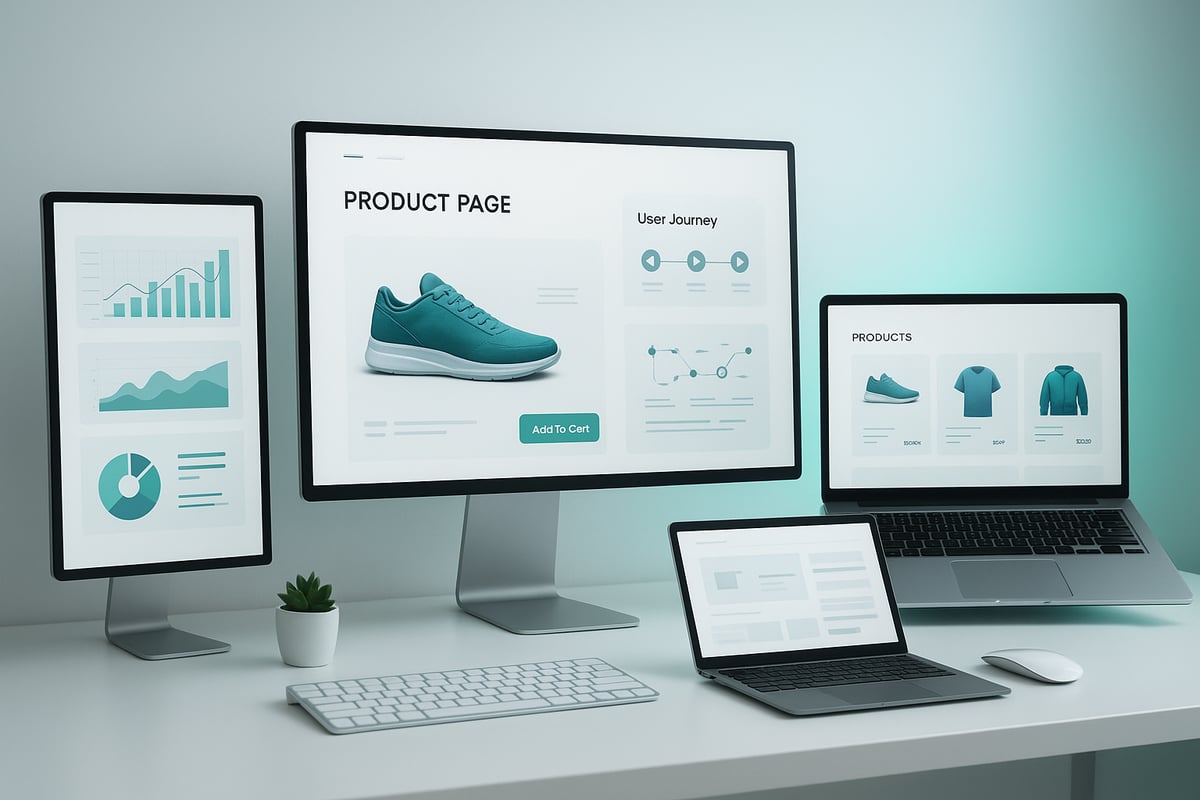
The next few years will see a dramatic acceleration in both web technology and user expectations. Shoppers now demand seamless, interactive, and visually engaging journeys. Studies indicate that over 80% of consumers begin their product research online, and global e-commerce sales are projected to top $8 trillion by 2026.
This surge is fueled by the rapid adoption of AI, augmented reality, and real-time personalization. These technologies are fundamentally reshaping the product site design landscape, enabling brands to create highly tailored and immersive experiences. Brands that fail to evolve risk falling behind as competitors leverage these advancements for greater engagement.
The Role of Emerging Technologies
Emerging technologies are not just trends—they are becoming essential elements in effective product site design. Artificial intelligence powers smart search and dynamic recommendations, while AR allows customers to visualize products in their own spaces. Personalization engines adapt content and offers in real time, increasing the likelihood of conversion.
Research shows that sites using advanced personalization see conversion rates rise by up to 20%. Integrating these innovations requires a proactive approach, ensuring your product site design remains relevant as user expectations shift. For practical strategies on staying ahead, review these website design best practices.
Brand Outcomes: Design as a Differentiator
History shows that product site design can make or break a brand’s digital success. Consider the rise of minimalist interfaces and dynamic layouts. Brands like Apple and Glossier have gained significant market share through clean visuals and intuitive navigation, while others have lost ground due to cluttered or outdated sites.
Design innovation is closely tied to conversion rates. Animated hero sections, creative grid layouts, and scroll-based storytelling not only capture attention but also drive users to take action. Competitor analysis reveals that brands embracing bold design categories—minimalism, animation, or unconventional grids—consistently outperform those that do not.
| Design Trend | Engagement Impact | Conversion Lift |
|---|---|---|
| Minimalism | +15% | +10% |
| Animation | +18% | +12% |
| Personalization | +22% | +20% |
Mobile-First and Accessibility Demands
Mobile-first product site design is no longer optional. Over 70% of online shopping now occurs on smartphones, and users expect flawless experiences across every device. Accessibility demands are also on the rise, with more users seeking sites that are easy to navigate, readable, and inclusive.
To maintain relevance, brands must prioritize fast load times, responsive layouts, and accessible color contrasts. As digital competition intensifies, forward-thinking product site design is the foundation for future-proofing your brand and ensuring long-term growth.
7 Product Site Design Ideas to Inspire Your 2026 Website
In the fast-changing digital landscape, your product site design must do more than just look good. To truly stand out in 2026, you need to embrace innovation, blend creativity with function, and anticipate what users expect next. Explore these seven cutting-edge ideas to future-proof your product site design, captivate visitors, and drive real conversions.
1. Immersive Hero Sections with Motion and 3D Elements
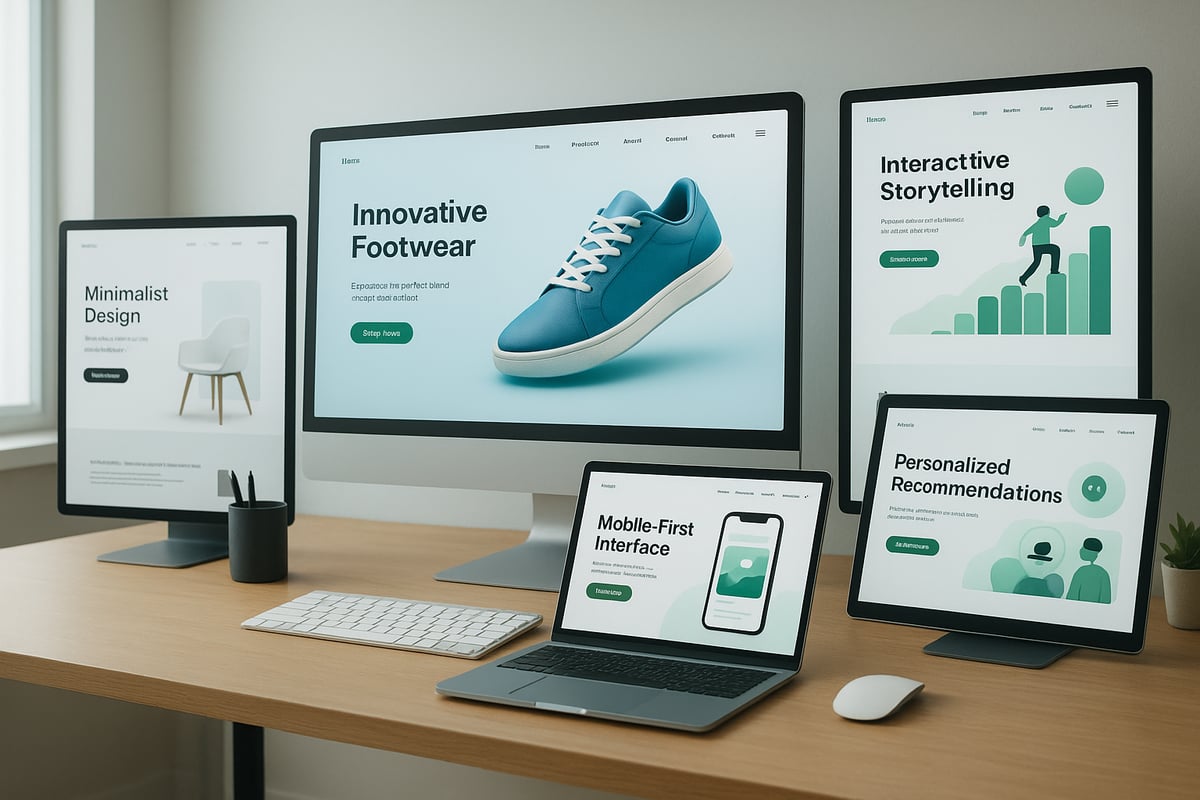
The hero section is the first thing users see, so why not make it unforgettable? Immersive hero sections utilize bold visuals, subtle motions, and interactive 3D elements to instantly communicate your product’s value. This approach to product site design grabs attention and sets the tone for the entire user journey.
Motion graphics and 3D renders are not just eye candy. They help users understand your product’s features in seconds. For example, sites like “Featured Hero – E-commerce website” and “Monotree – features sections” use smooth transitions and layered visuals to create depth and intrigue. These techniques lead to longer time-on-site and reduced bounce rates.
According to recent Web Design Trends for 2026, motion and 3D are becoming essential for modern product site design. Brands that implement these features report up to 40% higher engagement. However, balance is key—too much motion can distract or slow down your site.
Best practices include:
- Optimize assets for fast loading, especially on mobile
- Use interactive elements to invite exploration
- Keep animations subtle to avoid overwhelming users
A well-executed immersive hero not only wows visitors but also quickly conveys your product’s unique selling proposition. As 3D and motion become more accessible, expect them to become staples of product site design by 2026.
2. Storytelling Through Scroll-Based Interactions
Scroll-based storytelling transforms static product pages into engaging narratives. With this product site design trend, each scroll reveals new information, imagery, or animations, guiding users through a carefully crafted journey. This approach turns product exploration into an experience.
Sites like “WEAVE – Air Purifier Landing Page” and “Mota – Website design” showcase how dynamic content on scroll can highlight features and benefits in sequence. By controlling the pace of information, brands can shape perceptions and build anticipation.
The psychological impact is significant. Guided storytelling increases memory retention and emotional connection with your product. Tools like GSAP, Lottie, and Webflow make smooth scroll-based interactions accessible for most teams. Research shows that interactive storytelling can boost engagement rates by as much as 30%, directly influencing conversion rates.
Best practices for scroll-based product site design:
- Plan a clear narrative with logical progression
- Optimize performance for smooth transitions
- Ensure keyboard and screen reader accessibility
Scroll-based storytelling makes your product site design memorable and sets your brand apart in crowded markets. In 2026, users will expect seamless, story-driven experiences that go beyond simple product listings.
3. Minimalist Product Presentation for Maximum Impact
Minimalist product site design strips away the unnecessary, allowing your product to shine. Clean layouts, generous whitespace, and a focus on high-quality visuals define this approach. Minimalism is not about having less, but about making every element count.
Examples like “Minimalissimo” and “UI8 – Landing page design for SaaS startups” demonstrate how simplicity can create a premium feel. Minimalist sites are easier to navigate, reduce cognitive load, and help users focus on what matters most: your product.
Studies show that minimalist product site design can increase conversion rates by up to 20% compared to cluttered layouts. Key tips include:
- Use professional product photography with ample space
- Craft concise, compelling copy that communicates value
- Apply strategic color to guide attention without distraction
Accessibility and mobile responsiveness are crucial. Minimalist designs often adapt well to smaller screens, but always test to ensure readability and tap targets are optimized. The right balance between minimalism and essential information makes your product site design both beautiful and effective.
4. Personalization and AI-Driven Recommendations
Personalization is revolutionizing product site design. By leveraging AI, brands can deliver content, products, and experiences tailored to individual users. This not only increases relevance but also boosts conversion rates and customer loyalty.
E-commerce leaders and SaaS platforms use AI-powered product carousels, smart search, and dynamic content to recommend products based on browsing behavior and preferences. Integrating these features into your product site design can result in up to 25% higher average order values and improved retention.
Technologies like machine learning and real-time data analysis enable precise recommendations. For a deeper dive, check out AI-powered personalization in e-commerce, which explores how this trend is shaping the future of product site design.
Best practices for AI-driven personalization:
- Be transparent about data usage and privacy
- Offer opt-in features for tailored experiences
- Visually integrate recommendations without disrupting the flow
Personalization is not just a backend feature; it must be thoughtfully woven into the product site design. As AI continues to evolve, expect personalized experiences to become the standard by 2026.
5. Creative Use of Grid and Unusual Layouts
Breaking away from traditional grid systems can give your product site design a distinctive edge. Creative grids and unusual layouts introduce visual interest and help communicate your brand’s personality. This approach is all about daring to be different while maintaining usability.
Examples from Siteinspire’s “Grid Layout” and “Unusual Layout” categories show how innovative arrangements can spotlight products and features. Non-traditional layouts encourage exploration and can increase user dwell time by up to 18%.
Best practices for creative product site design:
- Guide the user’s eye with clear visual hierarchy
- Avoid clutter by spacing elements thoughtfully
- Maintain intuitive navigation and consistent alignment
Responsive design is essential. Complex grids must adapt smoothly to all screen sizes without losing coherence. Brands using creative layouts effectively are remembered long after the first visit, proving that bold product site design choices can drive lasting engagement.
6. Seamless Mobile-First and Responsive Design
Mobile commerce is accelerating. By 2026, most product site design strategies must prioritize mobile-first experiences. Users expect flawless performance, fast load times, and intuitive navigation on any device.
Sites like “Raynmakers – Responsive website design” and “Telehealth – Weight Loss Website” illustrate best-in-class mobile product site design. Adaptive imagery, touch-friendly controls, and micro-interactions make browsing effortless. According to industry data, 70% of e-commerce traffic now comes from mobile devices, making responsive design non-negotiable.
Key practices for mobile-first product site design:
- Use flexible grids and scalable images
- Prioritize speed and minimize heavy scripts
- Ensure all features are accessible and usable on small screens
Accessibility is a core requirement. Test your product site design with real users and assistive devices to confirm inclusivity. Tools and frameworks like Bootstrap and Tailwind CSS can accelerate responsive development, ensuring your site meets the demands of 2026 shoppers.
7. Integrating Sustainable and Ethical Design Practices
Sustainable and ethical product site design is more than a trend; it is a business imperative. Eco-friendly visuals, accessibility, and transparency reflect values that resonate with today’s consumers. Brands that communicate responsibility through their product site design build trust and long-term loyalty.
Design choices like green color palettes, eco badges, and energy-efficient animations signal your commitment. Studies show that 65% of users prefer shopping from brands with ethical and accessible websites. Compliance with accessibility standards is not optional; it is a competitive advantage.
Tips for sustainable product site design:
- Choose optimized images and lightweight animations to reduce energy use
- Offer dark mode and accessible color contrasts
- Be transparent about product sourcing and data privacy
Sustainable product site design can become a unique selling point. As consumer expectations evolve, brands that prioritize ethics and sustainability in their product site design will lead the market in 2026.
How to Implement These Product Site Design Ideas for Maximum ROI
Launching a future-ready product site design requires more than just inspiration. To maximize ROI, brands must bridge creative vision with a clear, actionable process. Successful implementation ensures that every design upgrade directly supports business goals and user satisfaction.

Start with a Thorough Site Audit
Begin by auditing your current product site design. Identify strengths, weaknesses, and gaps in areas like accessibility, mobile responsiveness, and personalization. Use analytics and heatmaps to understand how visitors interact with your site. This foundation helps you prioritize which of the seven design ideas will have the most impact.
Select and Prioritize Design Innovations
Choose the most relevant design concepts for your brand. Set measurable goals for each, such as reducing bounce rates or increasing average order value. Consider how features like immersive hero sections, AI-driven personalization, or sustainable visuals align with your target audience and business objectives.
Invest in User Research and A/B Testing
User feedback is essential for refining product site design. Conduct surveys, interviews, and usability tests to validate assumptions. Implement A/B testing whenever launching new features, such as interactive storytelling or dynamic recommendations. For AI-powered enhancements, reference recent insights from AI-Driven Personalization in E-Commerce to ensure data-driven decisions lead to better outcomes.
Foster Cross-Functional Collaboration
Work closely with designers, developers, and marketers from the start. Use prototyping tools to visualize new layouts or animations before full deployment. Platforms like Webflow or Figma can streamline collaboration and speed up iteration cycles. Clear communication ensures your product site design remains cohesive and aligned with brand values.
Emphasize Continuous Optimization and Sustainability
Monitor key performance indicators post-launch, including conversion rates, dwell time, and accessibility scores. Use feedback loops to iterate on design elements regularly. For those integrating eco-friendly features, draw on eco-friendly web design strategies to ensure your site remains both innovative and responsible.
Product Site Design Implementation Checklist
| Task | Complete? |
|---|---|
| Audit current product site design | |
| Set measurable design goals | |
| Select relevant innovative ideas | |
| Conduct user research | |
| Launch A/B tests on new features | |
| Collaborate with cross-functional teams | |
| Prototype and review designs | |
| Monitor KPIs and gather feedback | |
| Optimize and iterate regularly | |
| Stay updated with industry trends |
Stay Ahead with Ongoing Learning
The digital landscape evolves rapidly. Regularly review trends, attend webinars, and engage with design communities to ensure your product site design remains competitive. Proactive innovation is the key to sustained growth and outstanding ROI.