
The landscape of product design website creation is advancing at a remarkable pace, shaping how digital products are imagined and experienced in 2026. As these platforms evolve, they not only set new industry standards but also inspire innovation and raise user expectations across the board.
Exploring the best product design website examples gives designers, businesses, and agencies a competitive edge, sparking creativity and guiding strategic decisions. In this article, we highlight seven of the most inspiring product design website showcases for 2026. You will discover the features that set them apart and gain practical insights to elevate your own digital presence.
What Defines an Inspiring Product Design Website in 2026?
The modern product design website has evolved into a dynamic showcase of innovation, usability, and creativity. As we look at 2026, these platforms are no longer just digital portfolios but immersive experiences that set new benchmarks for the industry.
The Evolution of Product Design Websites
Over the past decade, the product design website has undergone a remarkable transformation. In 2026, these sites reflect the convergence of beautiful aesthetics, intuitive usability, and advanced interactivity. Trends show a clear shift toward mobile-first and fully responsive design, ensuring seamless access across all devices.
AI-driven personalization is now a core element. Websites analyze user behavior and adapt content, offering tailored experiences that boost engagement. Dynamic content updates, based on user preferences or location, have become standard.
Sustainability and accessibility are no longer optional. Leading product design website examples integrate eco-friendly design practices and prioritize features like color contrast, keyboard navigation, and screen reader compatibility. Brands such as ISO and Office for Architecture, Interior and Objects demonstrate how sustainable materials and accessible layouts can blend seamlessly with digital innovation.
According to competitor data, there is a growing emphasis on user-centric design. Product-focused platforms now highlight user journeys, feedback loops, and real-world applications, making them more relevant and impactful for their audiences.
Key Elements of Modern Product Design Websites
A successful product design website in 2026 is defined by several essential features. Intuitive navigation stands at the forefront, allowing users to explore content effortlessly. Immersive visuals, including high-resolution images and interactive prototypes, help communicate the story behind each product.
Storytelling is a crucial differentiator. Top sites showcase not only the finished product but also the creative process, using case studies to share challenges and solutions. Motion design and micro-interactions, such as hover effects and animated transitions, increase engagement and guide users through complex information.
Integration with portfolios, e-commerce, and social proof elements like testimonials or awards adds credibility. Fast load times and seamless cross-device experiences are expected, as users demand instant access on any platform.
For those seeking to implement these features, reviewing best practices for website design can provide valuable insights into current standards. Brands like Blond and Mobbin exemplify how these elements drive both engagement and conversion, setting new industry benchmarks.
7 Inspiring Product Design Website Examples for 2026
Exploring a standout product design website is like peeking into the future of digital innovation. In 2026, the best examples fuse cutting-edge visuals, intuitive usability, and industry-defining creativity. Each site on this list was chosen for its innovation, visual impact, user-centric design, and ability to influence industry benchmarks. Whether you are a designer, business leader or digital agency, these sites will spark new ideas and guide your next web project.
Before diving in, remember that a truly inspiring product design website balances aesthetics with function. For more creative ideas, browse this collection of inspiring website layout ideas.
Blond
Blond’s product design website exemplifies the power of minimalism. The homepage greets visitors with crisp grid layouts and a restrained color palette, focusing attention on product imagery and content. Each interactive case study is thoughtfully arranged, guiding users through the design process step by step.
What sets Blond apart is its dedication to transparency. The site showcases not just finished products but the story behind each creation. Designers and agencies will appreciate the seamless navigation, which makes exploring project details effortless. The high-quality visuals reinforce the brand’s commitment to excellence.
A standout example is their presentation of the “Dot Watch,” where users can follow the journey from initial sketches to final prototype. This immersive storytelling elevates the product design website beyond a simple portfolio.
Pros:
- Exceptional usability
- Elegant, minimalist presentation
- Strong brand identity
Cons:
- Minimalist style may not appeal to all audiences
Pricing: Not publicly listed; typically project-based consultancy.
Mobbin
Mobbin is the world’s largest reference library for mobile and web product design website patterns. The platform features thousands of real-world UI examples, updated regularly from leading apps and websites. Advanced search and filter options allow users to quickly locate inspiration tailored to their needs.
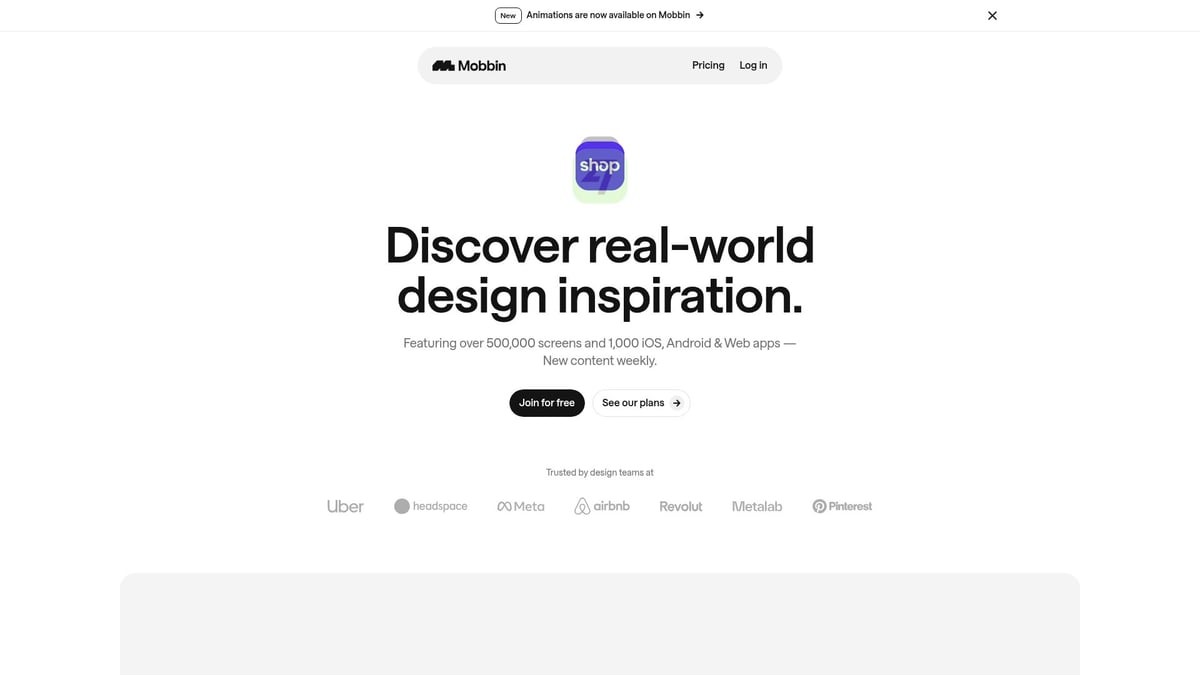
Its community-driven content and focus on practical solutions make Mobbin a favorite among UX/UI designers and product managers. The design is clean and functional, with intuitive navigation that saves time during research.
A practical use case: a fintech designer searching for onboarding flows can instantly view dozens of relevant screens, streamlining the ideation process. Mobbin’s comprehensive resources empower teams to elevate their product design website with proven patterns.
Pros:
- Extensive, regularly updated resources
- Time-saving advanced filtering
- Community-driven inspiration
Cons:
- Full access requires a subscription
- Sheer volume may overwhelm newcomers
Pricing: Free tier available; Pro plans start at approximately $9/month.
Minimalissimo
Minimalissimo champions simplicity and timeless aesthetics in product design website culture. The site blends editorial content with curated portfolios, celebrating minimalist design across industries. Each feature spotlights clarity and thoughtful curation.
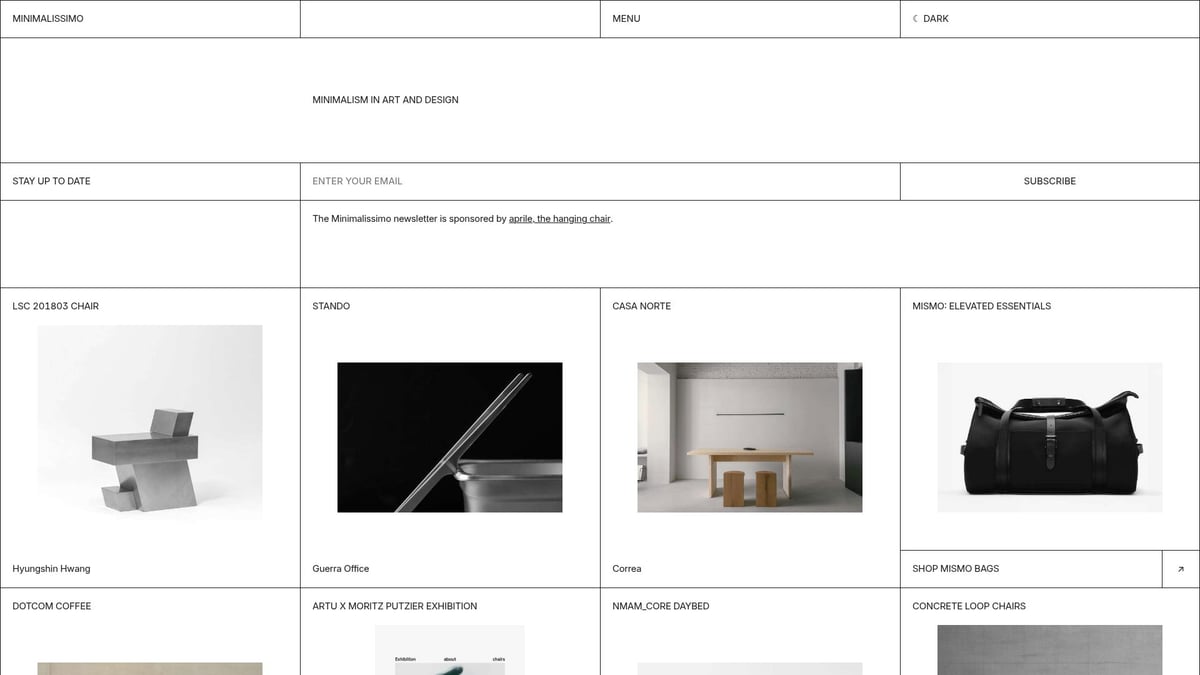
The interface is uncluttered, drawing focus to photography and concise storytelling. Designers and agencies looking for inspiration in clean, functional layouts will find the site’s approach refreshing.
A recent highlight is their review of a modular lamp, where the design process is broken down from concept to execution. The storytelling approach provides context that is often missing from other product design website examples.
Pros:
- Inspiring, cross-disciplinary curation
- Clean, intuitive interface
- Focus on simplicity and clarity
Cons:
- Niche focus may not suit all product types
Pricing: Free to access; possible paid features for listings.
Studio Tijmen Smeulders
Tijmen Smeulders’ portfolio is a masterclass in personal branding for a product design website. The site uses immersive visuals and interactive elements to guide visitors through the designer’s creative journey. Each project breakdown reveals behind-the-scenes insights and process details rarely seen elsewhere.
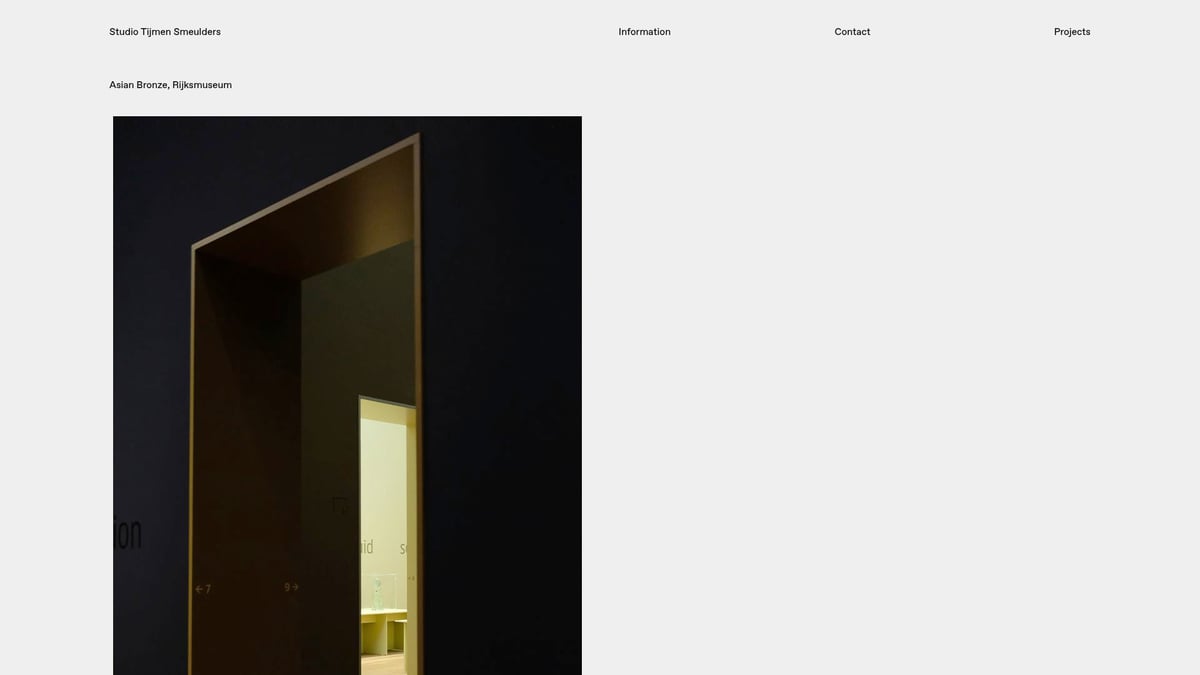
Navigation is innovative, using subtle animations and transitions to maintain engagement. Prospective clients and design students will appreciate the depth of case studies, which showcase not just results but the thinking behind them.
A flagship example is the “Fold” project, where users can explore sketches, prototypes, and final renders in a single, cohesive narrative. This approach provides a richer understanding of the product design website’s value.
Pros:
- Authentic storytelling
- Unique visual identity
- Deep, insightful case studies
Cons:
- Limited to one designer’s work
Pricing: Not applicable (personal portfolio).
Apossible
Apossible’s product design website stands out for its dynamic homepage and animated transitions. The agency specializes in integrating digital and physical products, using engaging visuals to communicate complex ideas simply.
Visitors are greeted with animated service overviews and detailed project explanations. The blend of digital and tangible showcases is especially appealing for startups and tech companies seeking full-spectrum design support.
A notable project is their cross-platform product launch, where interactive elements demonstrate how the digital interface connects with the physical product. This approach exemplifies the modern product design website, where user experience extends across devices and real-world touchpoints.
Pros:
- Engaging interactivity
- Clear, client-centric value proposition
- Modern, visually appealing design
Cons:
- Animation-heavy pages may load slowly on weaker connections
Pricing: Custom project-based pricing.
ISO
ISO’s product design website merges experiential and product design for a truly immersive effect. The homepage opens with bold motion graphics and interactive storytelling, drawing visitors into each project’s unique narrative.
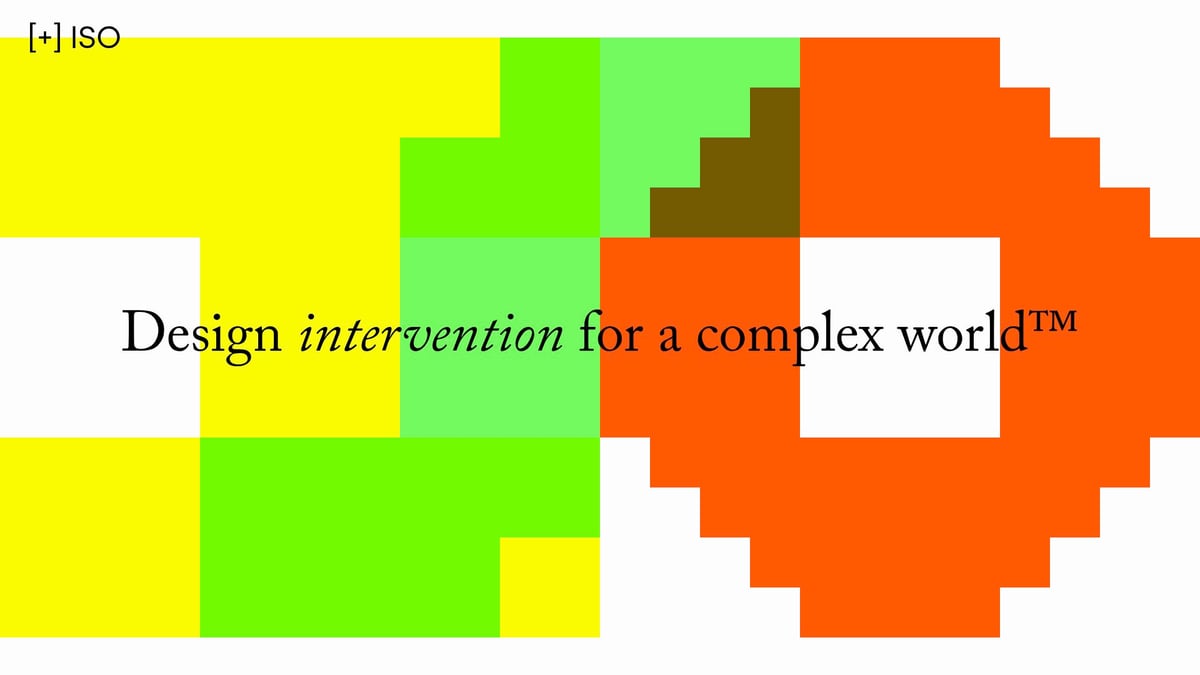
Project galleries combine high-quality imagery, video, and subtle animations. ISO excels in integrating physical and digital experiences, often working with enterprises and cultural institutions on award-winning projects.
A standout case study is their interactive museum installation, where users can explore the design’s evolution through layered visuals and descriptive text. This blend of multimedia and storytelling sets a new bar for product design website engagement.
Pros:
- Visually striking, multimedia-rich content
- Innovative, award-winning projects
- Strong diversity across industries
Cons:
- Complexity may be daunting for users seeking quick information
Pricing: Not publicly listed; likely project-based.
Office for Architecture, Interior and Objects
This studio’s product design website masterfully blends architecture, interiors, and products. The portfolio presents multidisciplinary projects, each accompanied by detailed narratives and high-resolution imagery. The holistic design philosophy is evident in every section.
Clients and design enthusiasts can explore how products are developed alongside architectural and interior projects, showcasing seamless integration of disciplines. The site’s elegant visuals and comprehensive documentation appeal to both corporate clients and creative professionals.
A compelling example is their product line created in tandem with an interior redesign, illustrating the synergy between space and object. This approach elevates the product design website into a resource for cross-industry inspiration.
Pros:
- Comprehensive project documentation
- Elegant, high-quality visuals
- Broad appeal across industries
Cons:
- Focus on large-scale projects may not fit startup needs
Pricing: Contact for inquiries.
Comparison Table: Product Design Website Features
| Website | Visual Impact | Interactivity | Storytelling | Target Audience | Pricing |
|---|---|---|---|---|---|
| Blond | High | Moderate | Strong | Designers, Startups | Project-based |
| Mobbin | Moderate | High | Moderate | Designers, PMs | Free/Pro |
| Minimalissimo | High | Low | Strong | Minimalist Focus | Free/listings |
| Tijmen Smeulders | High | High | Strong | Clients, Students | Portfolio |
| Apossible | High | High | Moderate | Startups, Tech | Project-based |
| ISO | Very High | Very High | Strong | Enterprises | Project-based |
| Office-AIO | High | Moderate | Strong | Developers, Clients | Inquiry |
In 2026, the leading product design website examples show that innovation, usability, and visual storytelling are key to capturing attention and driving engagement. Each site demonstrates how thoughtful design choices can elevate digital presence and set new industry standards.
Emerging Trends in Product Design Website UX for 2026
The landscape of product design website UX is evolving rapidly in 2026. Emerging trends are reshaping how users interact with digital products, demanding innovation in every aspect. From AI-driven personalization to sustainability, immersive storytelling, and mobile-first strategies, these trends set new standards for excellence. Let’s break down the core shifts every product design website should consider this year.
AI and Personalization in Product Design Sites
AI-driven personalization is transforming the product design website experience in 2026. Visitors now expect tailored content, recommendations, and dynamic interfaces that adapt to their needs. AI analyzes user behavior in real time, presenting relevant projects, features, or even interactive demos based on individual preferences.
For example, several leading sites use AI to streamline navigation, suggest related case studies, and personalize onboarding flows. This approach boosts user engagement and conversion rates, as supported by recent industry findings. To see how AI is integrated in modern web design, review this overview of AI-Powered Personalization in Web Design. As AI adoption increases, every product design website must consider how these tools can elevate their UX.
Sustainability and Accessibility as Core Principles
Sustainability and accessibility are now essential values for any product design website. Eco-friendly design choices, such as optimized images and energy-efficient hosting, are becoming standard. At the same time, accessibility features like high color contrast, keyboard navigation, and screen reader support are no longer optional—they are expected by users and regulators alike.
Statistics show a rising demand for digital products that are both sustainable and inclusive. Industry leaders are implementing these practices, setting positive examples for others to follow. Explore more about Sustainable and Accessible Web Design Practices to understand how these principles are shaping the future of product design website development.
Immersive Storytelling and Interactive Prototyping
Product design website innovation in 2026 is fueled by immersive storytelling and interactive prototyping. Advanced technologies like AR, VR, and 3D models make product showcases more engaging and informative than ever before. Visitors can interact with prototypes, explore features in-depth, and visualize products in real-world settings.
This trend not only enhances user understanding but also builds trust and excitement. Case studies from top sites reveal higher engagement when users can “try before they buy” through interactive demos. For any product design website, integrating these tools delivers a memorable, competitive digital experience.
Seamless Cross-Platform and Mobile Experiences
Mobile-first and cross-platform usability are must-haves for every successful product design website in 2026. With mobile web usage continuing to climb, users expect flawless performance on any device. Responsive layouts, touch-friendly interfaces, and fast load times are key for retaining visitors and driving conversions.
Recent data highlights that sites excelling in mobile UX see significantly higher user satisfaction and engagement. Leading brands invest in thorough testing to ensure their product design website performs seamlessly, whether accessed from a smartphone, tablet, or desktop. This commitment to mobile excellence is now a defining benchmark for digital innovation.
How to Apply Lessons from Top Product Design Websites
Exploring a standout product design website is just the first step. The real value comes from understanding what these leading examples do well and translating those lessons into your own digital presence. With the right strategies, any designer or business can elevate their product design website to compete at the highest level.
Analyze What Works and Adapt to Your Brand
Start by breaking down the features that make each product design website effective. Is it the intuitive navigation, the immersive visuals, or the transparent case studies? List these elements and identify which align with your brand’s goals.
Evaluate how these sites communicate their value proposition. Consider how storytelling shapes the perception of products and processes. Adapt these techniques to fit your own audience and industry, ensuring your product design website stands out for the right reasons.
Integrate Storytelling and User-Centric Features
Modern users expect more than just a portfolio. They want to see the journey behind each product. Incorporate detailed case studies, interactive prototypes, and process narratives to build trust and engagement.
Small touches matter, too. Integrating micro-interactions and subtle animations can guide visitors and enhance usability. For a deeper dive into this approach, explore micro-animations and user engagement to see how leading sites captivate their audiences.
Prioritize UX Testing and Continuous Improvement
A successful product design website is never static. Regularly test user flows, navigation, and loading times across devices. Use analytics to pinpoint friction points and opportunities for enhancement.
Adopt a structured approach with this checklist:
- Review navigation clarity and accessibility.
- Audit mobile responsiveness.
- Test interactive elements on all devices.
- Gather user feedback and iterate designs.
For a comprehensive methodology, consult user experience design strategies to refine your approach and drive measurable results.
Stay Updated and Learn from Industry Leaders
Trends in product design website development shift quickly. Use resources like Mobbin and Minimalissimo to monitor new patterns and inspirations. Attend webinars, follow design thought leaders, and participate in professional groups to stay ahead.
Hiring the right design talent is also key. Brands that invest in skilled teams often see increased engagement and conversion rates after a website redesign. Look for real-world success stories and analyze what made their product design website improvements effective.