


AI chatbots are transforming e-commerce. They offer a new way to engage with customers. These digital assistants are available 24/7.
Integrating AI chatbots into your website can boost sales. They handle multiple queries at once, improving response times. This leads to happier customers.
AI chatbots can also reduce operational costs. They automate routine tasks, freeing up human agents. This allows staff to focus on complex issues.
Personalization is another benefit. Chatbots provide tailored product recommendations. They use customer data to enhance shopping experiences.
Language is no barrier for AI chatbots. They can communicate in multiple languages. This makes them ideal for global businesses.
AI chatbots also help reduce cart abandonment. They engage customers during checkout. This can increase conversion rates.
Data collection is a key feature. Chatbots gather valuable insights from interactions. This data can refine marketing strategies.
Incorporating AI chatbots offers a competitive edge. They enhance customer service and streamline operations. E-commerce businesses can thrive with this technology.
Understanding AI Chatbots for E-commerce
AI chatbots are digital interfaces that simulate human conversation. They use advanced algorithms to understand and respond to customer queries. This capability enhances user experience on e-commerce platforms.
The primary function of chatbots is to support customer interactions. They manage tasks such as answering FAQs and guiding users. They’re crucial for busy e-commerce sites.
A well-integrated chatbot can boost efficiency. For instance, it can handle hundreds of queries simultaneously. This leads to shorter wait times.
Here’s what AI chatbots can do for e-commerce:
- Provide round-the-clock support
- Offer personalized shopping experiences
- Automate routine inquiries
AI chatbots can be customized to fit brand identity. They adopt a tone and style to align with business goals. This consistency reinforces brand recognition.
Despite their complexity, chatbots are user-friendly. Customers enjoy seamless interactions. They receive instant help without navigating away from the product page.
In summary, AI chatbots are revolutionizing customer engagement. They make online shopping more interactive and efficient.

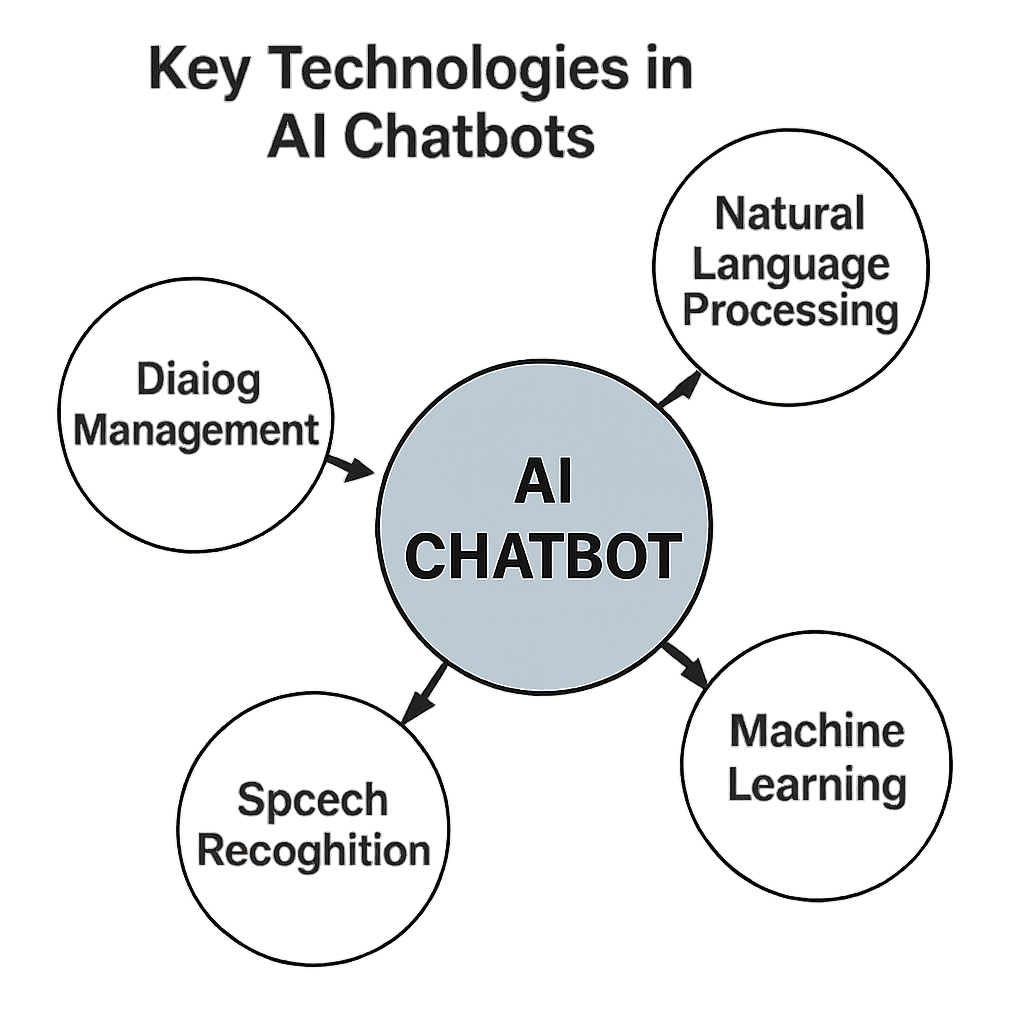
How AI Chatbots Work: Key Technologies Explained
AI chatbots rely on sophisticated technologies. These include natural language processing (NLP) and machine learning. Together, these enable dynamic customer interactions.
NLP helps chatbots understand human language. It breaks down sentences into comprehensible parts. This allows chatbots to extract intent and sentiment.
Machine learning empowers chatbots to learn from past conversations. With each interaction, they become smarter. They predict better responses as they gain more data.
Here’s a breakdown of key technologies used:
- NLP: Deciphers and processes human language.
- Machine Learning: Enhances chatbot intelligence over time.
- Speech Recognition: Translates spoken words into text.
Speech recognition allows for voice-based interactions. This adds a layer of convenience. Customers can speak queries instead of typing them.
AI chatbots also deploy data analytics. They track user interactions for insights. Businesses utilize these insights to tweak strategies.
Overall, these technologies work together seamlessly. They create a smooth, engaging online shopping experience.
Types of AI Chatbots Used in E-commerce
E-commerce platforms deploy various types of AI chatbots. These cater to different business needs and customer preferences.
Rule-based chatbots operate on predefined scripts. They follow specific guidelines to respond to queries. They’re ideal for structured support tasks.
Machine learning chatbots are more flexible. They adapt based on new data and interactions. This makes them suitable for dynamic e-commerce environments.
Major types of AI chatbots include:
- Rule-based Bots: Follow set pathways for specific queries.
- Machine Learning Bots: Evolve with interaction data.
- Hybrid Bots: Combine rule-based and learning capabilities.
Hybrid chatbots blend features from both types. They offer robust responses while learning over time. This versatility makes them popular.
Each type serves distinct purposes. Companies choose based on complexity and customer interaction volume. Proper selection enhances user experience.
The choice of chatbot depends on business goals. It should align with the brand’s operational needs. This ensures maximum benefit from AI integration.

Benefits of AI Chatbots for E-commerce Businesses
AI chatbots offer substantial advantages to e-commerce businesses. These tools significantly enhance the efficiency of online operations. They bridge communication gaps between customers and stores.
One notable benefit is the reduction in operational costs. Chatbots handle routine inquiries, freeing human resources for complex tasks. This automation leads to substantial savings.
Chatbots also improve customer satisfaction by providing instant responses. Quick, accurate answers boost user confidence and trust in the brand. This often translates into increased loyalty.
Another advantage is their ability to operate 24/7. Unlike humans, chatbots don’t require breaks. They ensure that customers have access to support at any time.
Moreover, chatbots can handle multiple languages. This feature makes them indispensable for global e-commerce operations. Businesses can reach a wider audience effortlessly.
Key benefits include:
- Cost efficiency through task automation
- Round-the-clock availability
- Improved customer engagement and satisfaction
Beyond customer service, chatbots aid in marketing and sales. They can recommend products or offer promotions, enhancing the shopping experience. This personalization drives conversion rates.
In essence, AI chatbots elevate e-commerce platforms. They transform how businesses interact with customers, leading to better outcomes.

Enhancing Customer Support with AI
AI chatbots revolutionize customer support. They provide immediate, accurate assistance, enhancing the overall experience. This leads to higher satisfaction rates.
One major advantage is their ability to manage high volumes of inquiries. Chatbots process questions simultaneously, reducing wait times. Customers appreciate prompt service.
Additionally, chatbots handle routine questions efficiently. This frees support staff to tackle more complex issues. It improves the quality of human interactions.
Here’s how chatbots enhance support:
- Offer instant and accurate responses
- Manage multiple inquiries at once
- Free human agents for complex problem-solving
AI chatbots also record interaction data. This data helps businesses understand common issues. Companies can use it to improve their products and services.
Overall, chatbots streamline the customer support process. They offer a seamless, efficient way to assist shoppers. This technology ultimately boosts customer loyalty.

Driving Sales and Reducing Cart Abandonment
AI chatbots are pivotal in boosting sales. They guide customers through their shopping journey. This assistance reduces instances of cart abandonment.
Personalized product recommendations are a key feature. Chatbots analyze user behavior to suggest relevant items. This tailored approach can increase purchase likelihood.
They also engage with customers during checkout. Chatbots remind users about forgotten items or discounts. These interactions encourage completion of purchases.
Key strategies include:
- Personalized product suggestions
- Checkout assistance to complete transactions
- Sending reminders about cart contents
Moreover, chatbots facilitate seamless upselling and cross-selling. They recommend complementary products, increasing average order value. These strategies are effective in maximizing sales.
In essence, AI chatbots become virtual sales associates. They optimize conversion paths, enhancing revenue opportunities. Their role in e-commerce growth is undeniable.

Collecting Data and Personalizing Experiences
AI chatbots offer invaluable insights into customer behavior. They gather data from every interaction. This information is crucial for crafting personalized experiences.
By analyzing data, chatbots identify patterns and preferences. This insight helps tailor product recommendations. Personalized interactions boost customer satisfaction and retention.
Chatbots also help in segmenting the audience. They categorize customers based on behavior and preferences. This ensures targeted marketing efforts.
Benefits of data collection include:
- Detailed customer insights
- Enhanced personalization strategies
- Effective audience segmentation
Moreover, data-driven approaches improve marketing ROI. Personalized experiences lead to higher engagement. This results in better conversion rates and customer loyalty.
In conclusion, AI chatbots are integral in collecting and utilizing data. They transform e-commerce strategies with precision and relevance.

Key Use Cases: Real-World Applications of AI Chatbots
AI chatbots are transforming e-commerce by tackling multiple roles. Their applications are diverse and tailored to meet specific business needs. These chatbots go beyond simple queries.
One primary use case is customer engagement. Chatbots interact with users throughout their shopping journey, providing assistance and information. This fosters a supportive shopping environment.
Another significant application is in data collection. Chatbots gather customer interaction data, which businesses can analyze to improve services. This data-driven approach enhances decision-making.
Furthermore, chatbots streamline sales processes. They assist in guiding customers through the sales funnel with personalized interactions. This leads to higher conversion rates.
Key use cases include:
- Streamlining customer interactions
- Enhancing data collection and analysis
- Optimizing sales and marketing strategies
Chatbots also excel in support and troubleshooting. They handle common issues quickly, providing efficient resolutions. This reduces strain on human support teams.
These applications showcase the versatility of AI chatbots. They not only enhance operational efficiency but also contribute significantly to business growth.

Product Recommendations and Upselling
AI chatbots play a crucial role in product recommendations. They analyze browsing patterns and preferences to suggest suitable items. This capability increases the likelihood of sales.
Chatbots also excel in upselling. By identifying customer interests, they suggest higher-end alternatives. This strategy effectively increases average order values.
Key tactics include:
- Suggesting complementary products
- Recommending higher-value alternatives
- Personalizing based on user behavior
These personalized suggestions enhance customer satisfaction. They make shopping experiences more relevant and engaging. Consequently, businesses see better results in sales and loyalty.

Order Management and Returns
AI chatbots streamline order management processes. They assist customers in tracking their purchases effortlessly. Users can receive real-time updates on their orders.
Moreover, chatbots simplify returns and exchanges. They guide customers through return policies and procedures. This support makes the process less daunting for users.
Key functionalities involve:
- Providing order status updates
- Handling return and exchange inquiries
- Ensuring compliance with store policies
These features reduce customer frustration. By offering easy solutions, businesses enhance overall satisfaction and trust. Chatbots make order management simpler and more efficient.

Multilingual and Omnichannel Support
AI chatbots excel in offering multilingual support. They break language barriers, serving global audiences effectively. This capability is critical for international e-commerce operations.
Additionally, chatbots provide omnichannel support. They integrate across various platforms, offering seamless assistance. Whether on websites, social media, or apps, they ensure consistent service.
Significant benefits include:
- Breaking language barriers with multilingual support
- Ensuring consistent service across channels
- Enhancing customer experience through unified interactions
By enabling such support, chatbots contribute to a cohesive user experience. They meet customers where they are and communicate in their preferred language. This universal appeal strengthens global business reach.

Choosing the Right AI Chatbot for Your E-commerce Store
Selecting the perfect AI chatbot for your e-commerce site requires careful consideration. Not all bots serve the same purpose or have equal features. It’s essential to evaluate your business needs.
Start by assessing the functions you require. Do you need a chatbot for customer support, sales, or data collection? Identifying your primary use can simplify the selection process.
Cost is another factor. Some platforms offer scalable pricing, which can suit smaller businesses. Others may require a larger budget but offer more features in return.
Integration capabilities should also be considered. Ensure the chatbot can seamlessly interact with your existing systems, such as CRM software or e-commerce platforms.
When choosing, prioritize features that align with your goals:
- Customer service capabilities
- Sales and marketing functions
- Integration ease
- Pricing structure
A well-chosen chatbot can significantly enhance user experience and operational efficiency, driving better results for your business.

Top AI Chatbot Tools for E-commerce in 2024
As technology evolves, 2024 promises advanced AI chatbots tailored for e-commerce. Here are some notable tools to consider for your business.
Firstly, ChatGPT has gained popularity. Known for its conversational prowess, it provides personalized interactions. Businesses value its adaptability and ease of integration.
Another worthy mention is Drift. This platform focuses on enhancing customer engagement and offers robust features for sales teams. It excels in guiding visitors through the sales funnel.
Intercom stands out for its customer support automation. It allows businesses to deliver instant assistance across various channels. Its user-friendly interface simplifies the setup process.
Key tools in 2024 include:
- ChatGPT for versatile interactions
- Drift for sales-focused engagement
- Intercom for streamlined support
Moreover, Ada emphasizes simplicity. With its drag-and-drop builder, creating custom workflows becomes hassle-free. It’s ideal for businesses seeking simplicity paired with power.
Lastly, ManyChat, known for integration with social media, offers omnichannel support. It’s designed to build strong, engaging customer relationships.
Choosing a chatbot tool depends on features, ease of use, and integration capabilities. Assessing your specific needs will lead to the best decision.


Step-by-Step Guide: Integrating an AI Chatbot into Your Website
Integrating an AI chatbot on your website may seem daunting, but breaking it down simplifies the process. Start by defining the objectives of the chatbot. Clear goals will guide the integration and customization.
Next, choose a chatbot platform that fits your needs. Consider ease of integration with your existing systems and overall user experience.
Once you’ve selected a platform, focus on designing the conversation flow. A well-structured flow ensures effective communication with visitors.
Integration follows design. Use APIs and plugins provided by your chatbot platform. These tools will help embed the chatbot onto your website without much hassle.
Testing the chatbot is crucial before going live. It helps identify issues in functionality and user interaction.
After successful testing, launch the chatbot. Monitor its performance continuously and gather feedback to improve interaction.
Remember to update the chatbot regularly. This keeps its responses fresh and accurate.
Key integration steps include:
- Defining goals
- Selecting a suitable platform
- Designing conversation flow
- Integrating using APIs
- Testing and launching


Best Practices for Chatbot Integration and Design
Designing an AI chatbot involves creating a seamless, user-friendly experience. Prioritize user needs when developing conversation flows.
Keep dialogues natural and concise. Users prefer quick, clear interactions over lengthy exchanges. Provide options for users to navigate between topics or ask follow-up questions.
Make sure your chatbot’s tone reflects your brand’s personality. Consistency in communication enhances the brand image.
To improve usability, include a fallback option for live agent support. This ensures users receive human assistance when the bot cannot resolve issues.
Optimize response speed. Quick replies increase user satisfaction and engagement.
Design best practices include:
- Creating natural conversation flows
- Reflecting brand tone
- Providing fallback options
- Ensuring fast responses

Testing, Launching, and Optimizing Your Chatbot
Testing is critical to ensure your chatbot functions effectively. Conduct various tests focusing on usability, responses, and integration.
Address any glitches discovered during testing. This ensures smooth user interactions post-launch.
Once tested, launch your chatbot, making sure to announce its functionalities to users.
Post-launch, gather analytics on user interactions. These insights help identify areas of improvement.
Optimization should be an ongoing process. Continuously update the bot to meet evolving user needs.
Steps for launch success:
- Extensive testing for issues
- Analyzing user interactions
- Continuous updates

Measuring Success: KPIs and Analytics for AI Chatbots
To gauge the success of your AI chatbot, establish clear KPIs. They provide a framework for measuring performance and effectiveness.
Track response accuracy and resolution time. These metrics reflect the chatbot’s efficiency in handling queries.
User satisfaction rates offer insights into the user experience. High satisfaction signals positive engagement, while low rates may indicate areas for improvement.
Monitor conversion rates linked to chatbot interactions. This helps assess its impact on sales and lead generation.
Consider incorporating:
- Response accuracy
- Resolution time
- User satisfaction
- Conversion rates

Overcoming Common Challenges and Pitfalls
Integrating AI chatbots into e-commerce presents unique challenges. Businesses should anticipate and navigate these to ensure success.
First, ensure your chatbot understands diverse customer queries. Language nuances can be tricky, leading to misunderstandings.
Additionally, over-reliance on automation might frustrate customers. Balance automated responses with easy access to human support.
Finally, constantly update your chatbot’s knowledge base. This prevents outdated information from being shared with users.
Key challenges include:
- Language and understanding
- Automation balance
- Knowledge updates
Proactively addressing these pitfalls enhances chatbot effectiveness and user satisfaction.

Future Trends: The Evolving Role of AI Chatbots in E-commerce
AI chatbots in e-commerce are evolving. Their role is set to expand dramatically over the coming years.
Advanced machine learning will enable more personalized customer interactions. Chatbots will better understand and predict consumer needs.
Moreover, integration with emerging technologies like voice commerce will enhance user experiences. This can make shopping more seamless and efficient.
Future trends include:
- Enhanced personalization through AI
- Greater integration with voice interfaces
- Improved predictive capabilities
As these technologies mature, AI chatbots will become even more integral to e-commerce success. Businesses that adapt will thrive.

Conclusion: Unlocking the Full Potential of AI Chatbots for E-commerce
AI chatbots offer unmatched benefits for e-commerce businesses. Their ability to enhance customer engagement and streamline operations is undeniable.
By thoughtfully integrating AI chatbots, businesses can improve customer support and drive sales. The potential for personalization and automation is limitless.
Adopting AI chatbots is not just a trend but a necessity. To remain competitive, businesses must harness their full potential in e-commerce.