
The world of design is changing at an unprecedented pace, with new trends and technology shaping every project. In 2026, the competition is fiercer than ever, and expectations for impactful design are rising across digital and physical spaces.
To stay ahead, mastering innovative design techniques is essential. These approaches can transform your creative process and help you deliver standout work that captures attention and drives results.
In this article, discover seven forward-thinking design techniques that will empower you to build future-proof projects. From AI-powered workflows to immersive experiences, sustainable practices, adaptive systems, and beyond, these strategies are your roadmap to thriving in 2026.
Ready to elevate your work? Let’s explore the techniques that will set your projects apart.
The Evolving Landscape of Design in 2026
The world of design is transforming at an unprecedented pace. As we approach 2026, the demand for forward-thinking design techniques is reshaping how teams create meaningful experiences. Let us explore the major forces driving this evolution and see how you can prepare to thrive.
The Acceleration of Design Technology
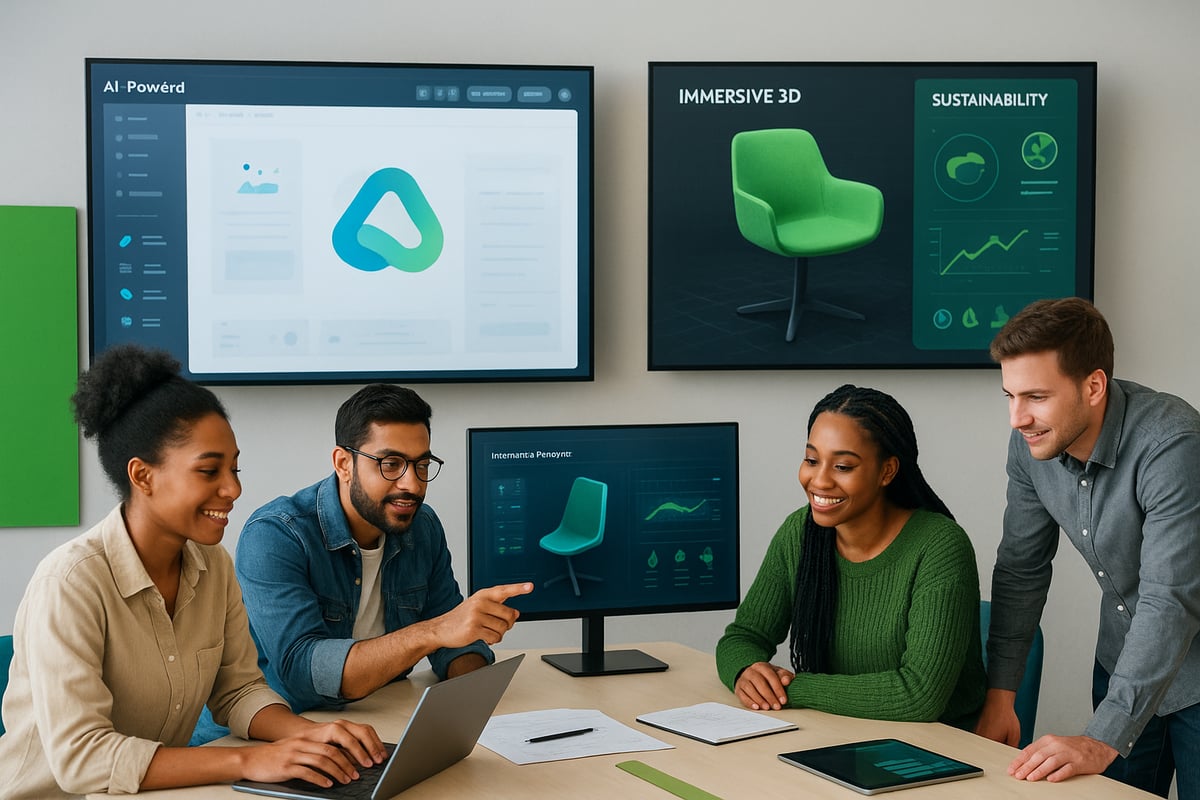
Advancements in AI, automation, and new software are fundamentally reshaping design techniques. Today, over 70% of design teams leverage AI-assisted tools, streamlining workflows and boosting creativity. The widespread use of advanced prototyping and real-time collaboration platforms is making it easier to turn ideas into reality faster than ever. According to AI in the design industry statistics, productivity and adoption rates have reached new heights, highlighting the essential role of technology in modern design.
Shifting User Expectations and Experience Standards
User expectations are rising quickly. Audiences now demand seamless, personalized, and accessible experiences across every touchpoint. Design techniques rooted in UX research, journey mapping, and usability testing are essential for meeting these needs. Brands that prioritize user-centric approaches are excelling, setting higher standards and building deeper loyalty with their audiences.
The Rise of Cross-Disciplinary Collaboration
Design is no longer a siloed discipline. Effective projects now integrate design, development, marketing, and data analytics from the start. This blend of skills enables teams to innovate faster and solve complex problems. Case studies show that cross-functional teams using collaborative design techniques deliver more impactful and cohesive results.
Emphasis on Sustainability and Ethical Design
Sustainability and ethics have become central to design techniques in 2026. Brands are opting for eco-friendly materials, digital sustainability strategies, and inclusive design practices to stand out. Companies with transparent, ethical approaches are earning consumer trust and differentiating themselves in crowded markets.
Globalization and Cultural Sensitivity
As the world becomes more connected, localization and cultural adaptation are vital. Design teams must use empathy mapping and journey mapping to create experiences that resonate with diverse audiences. Culturally adaptive design techniques ensure products are relevant and respectful, no matter the market.
Data-Driven Decision Making in Design
Analytics and A/B testing are now core to effective design techniques. Teams rely on user data to make informed decisions, refine prototypes, and iterate quickly. Data-driven design helps uncover what works, enabling continuous improvement based on real user feedback.
Preparing for Future Trends
Innovation is the key to long-term relevance in the fast-changing design landscape. The seven cutting-edge design techniques explored in this article directly address these challenges, equipping you to stay ahead and create standout projects in 2026.
7 Innovative Design Techniques to Elevate Your Projects in 2026
Design techniques are evolving rapidly, redefining what it means to create standout, future-proof projects. In 2026, staying ahead means mastering methods that blend technology, creativity, and user-centric thinking. Here, we reveal seven leading-edge design techniques that will empower you to build visually stunning, highly functional, and meaningful experiences.
1. AI-Driven Creative Processes
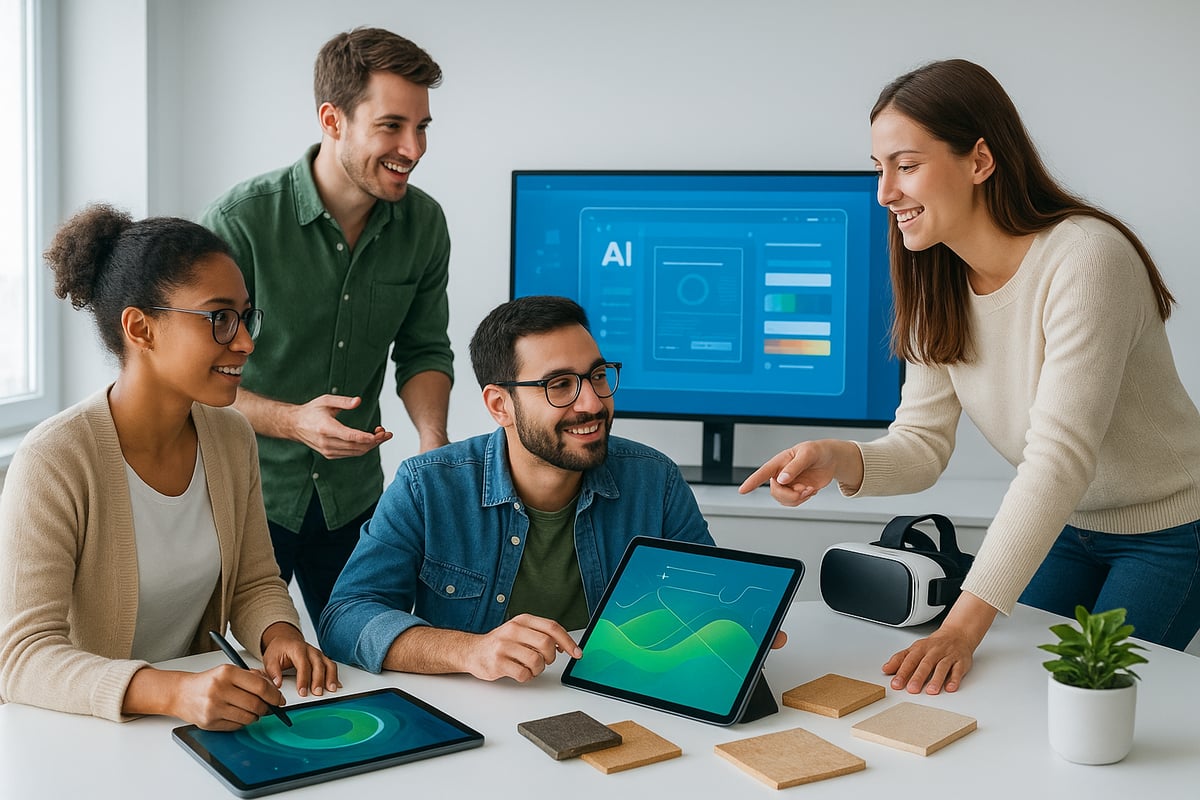
AI is revolutionizing design techniques by automating routine tasks and augmenting creative workflows. In 2026, design teams rely on AI for ideation, prototyping, and even generating unique layouts tailored to user needs.
AI-powered platforms can analyze trends, collect user data, and suggest wireframes or color palettes in seconds. Tools like automated A/B testing, AI-generated mood boards, and smart content generators save time and enhance creativity. Over 70% of design teams now leverage AI-assisted tools, according to recent industry reports.
Benefits of AI Integration:
- Accelerates design techniques for prototyping and testing.
- Provides data-driven insights for informed decisions.
- Enhances personalization, increasing user engagement.
Challenges:
- Maintaining originality when AI suggests common patterns.
- Addressing ethical concerns around bias and transparency.
Tips for Balance:
- Combine human intuition with AI suggestions.
- Regularly review AI outputs for uniqueness and inclusivity.
For a deeper dive into how these advanced methods complement traditional skills, explore Advanced graphic design techniques.
AI is not a replacement for creativity, but a catalyst that makes design techniques more efficient and impactful.
2. Immersive and Multi-Sensory Experiences
Immersive design techniques are transforming how users interact with digital and physical spaces. Augmented reality (AR), virtual reality (VR), and mixed reality are central to this shift, enabling designers to craft environments that engage multiple senses.
Brands use AR to create virtual showrooms, while VR powers interactive product demos and training modules. Haptic feedback and 3D elements make interactions more tangible, fostering deeper emotional engagement. Adoption of AR in e-commerce and education is rising, with studies showing a 35% increase in user engagement for brands employing immersive technology.
Best Practices:
- Ensure device compatibility and accessibility.
- Align immersive experiences with brand storytelling.
- Test for seamless integration across platforms.
Immersive design techniques captivate users, making experiences memorable and driving brand loyalty.
3. Sustainable and Ethical Design Practices
Sustainability is now a core focus in design techniques. Eco-friendly materials, energy-efficient websites, and digital minimalism are gaining traction. Ethical design also means accessibility, inclusivity, and privacy by design.
Brands are reducing digital carbon footprints by optimizing images, minimizing code, and using green hosting solutions. Companies implementing WCAG standards and conducting regular accessibility audits are seeing increased customer trust. Consumer preference for ethical brands continues to rise, with over 60% indicating sustainability influences purchasing decisions.
Actionable Steps:
- Conduct content inventories for sustainability audits.
- Use sustainable materials and eco-friendly color schemes.
- Prioritize accessibility from the start.
Measuring impact with tools and frameworks ensures your design techniques remain responsible and future-proof.
4. Adaptive and Responsive Design Systems
Adaptive design techniques go beyond responsiveness, delivering seamless experiences across devices, platforms, and contexts. In 2026, design systems use tokens, modular components, and dynamic layouts to support wearables, foldables, and voice interfaces.
Key Features:
- Design tokens for consistent theming.
- Modular components for scalability.
- Dynamic layouts for device-specific needs.
Apps now adjust not just to screen size, but also to input type and user context. Card sorting and tree testing help structure content adaptively.
Challenges:
- Maintaining brand consistency.
- Optimizing performance for all devices.
Strategies:
- Build scalable design systems.
- Test with diverse user groups.
These design techniques ensure your projects are ready for any device or platform.
5. Data-Driven Personalization and Micro-Interactions
Personalization is a defining characteristic of advanced design techniques. Analytics and user data fuel tailored experiences, while micro-interactions—like animated buttons or real-time feedback cues—boost engagement.
Personalized dashboards, adaptive navigation, and contextual content are now standard. Heatmaps and sales funnels offer insights into user behavior, informing iterative improvements.
Statistics:
- Personalized experiences increase conversions by up to 30%.
Guidelines:
- Balance personalization with privacy.
- Use tools to track and optimize micro-interactions.
A data-driven approach to design techniques creates meaningful, user-centric experiences that foster loyalty and drive results.
6. Storytelling Through Visual Narratives and Motion
Storytelling is integral to modern design techniques, leveraging sequential imagery, interactive storyboards, and motion design to guide attention and convey meaning.
Animated onboarding flows, explainer videos, and progressive disclosure are powerful tools. Journey mapping and storyboarding help teams conceptualize and refine narratives.
Data Point:
- Users recall stories 22 times more than standalone facts.
Best Practices:
- Use animation purposefully.
- Avoid overuse, which can hinder usability.
Visual storytelling in design techniques enriches communication, deepens user understanding, and differentiates brands in a crowded market.
7. Inclusive and Culturally Adaptive Design
Inclusive design techniques prioritize accessibility, localization, and cultural relevance. Empathy mapping and diverse personas help teams understand the needs of global audiences.
Examples include multilingual interfaces, region-specific imagery, and flexible UI elements. Statistics show that 60% of users worldwide prefer localized experiences.
Action Steps:
- Conduct localization and accessibility audits.
- Use tools to test inclusivity and cross-cultural effectiveness.
Inclusive design techniques ensure your projects resonate with every user, regardless of their background or ability.
Integrating Innovative Techniques: Workflow and Best Practices
Staying ahead in 2026 requires more than knowing the latest design techniques. Success comes from integrating these methods into your daily workflow, ensuring every project benefits from innovation, efficiency, and user-centered thinking.
To begin, consider how agile methodologies can help you implement new design techniques effectively. Agile processes emphasize rapid iteration, feedback loops, and adaptability. By continuously gathering and acting on user feedback, teams can refine their work and respond quickly to changing requirements. This approach makes it easier to experiment with emerging trends and incorporate them into real-world projects.

Collaboration is crucial in today’s design environment. Successful teams bring together designers, developers, marketers, and analysts to share insights and align on goals. Utilizing shared platforms like Figma and Miro makes cross-disciplinary teamwork smoother. According to AI adoption in design workflows, a majority of design teams now rely on AI-powered tools to automate tasks, streamline handoffs, and uncover data-driven insights. This not only accelerates delivery but also enables more informed decision-making at every stage.
Choosing the right tools can make or break your workflow. Here’s a quick overview of essential platforms for integrating innovative design techniques:
| Tool | Purpose | Key Benefit |
|---|---|---|
| Figma | Prototyping, collaboration | Real-time teamwork |
| Miro | Brainstorming, mapping | Visual ideation |
| Google Analytics | Data-driven decisions | User behavior insights |
| Stark | Accessibility checks | Inclusive design verification |
Continuous improvement is vital as design techniques evolve. Incorporate regular usability testing, journey mapping, and content audits to stay aligned with user needs and industry standards. Build in rapid prototyping cycles, and encourage your team to share feedback in structured review sessions.
To ensure your process is ready for 2026, follow this checklist:
- Evaluate your current workflow for gaps in innovation.
- Integrate at least one new design technique per project cycle.
- Use collaborative platforms for transparent communication.
- Schedule frequent usability testing and feedback sessions.
- Track performance with analytics and iterate based on data.
- Stay informed on the latest design trends and tools.
By embedding innovative design techniques into your workflow, you create a foundation for sustainable growth and ongoing relevance. This commitment to best practices helps your team deliver exceptional results, no matter how the design landscape evolves.
Overcoming Common Challenges in Modern Design
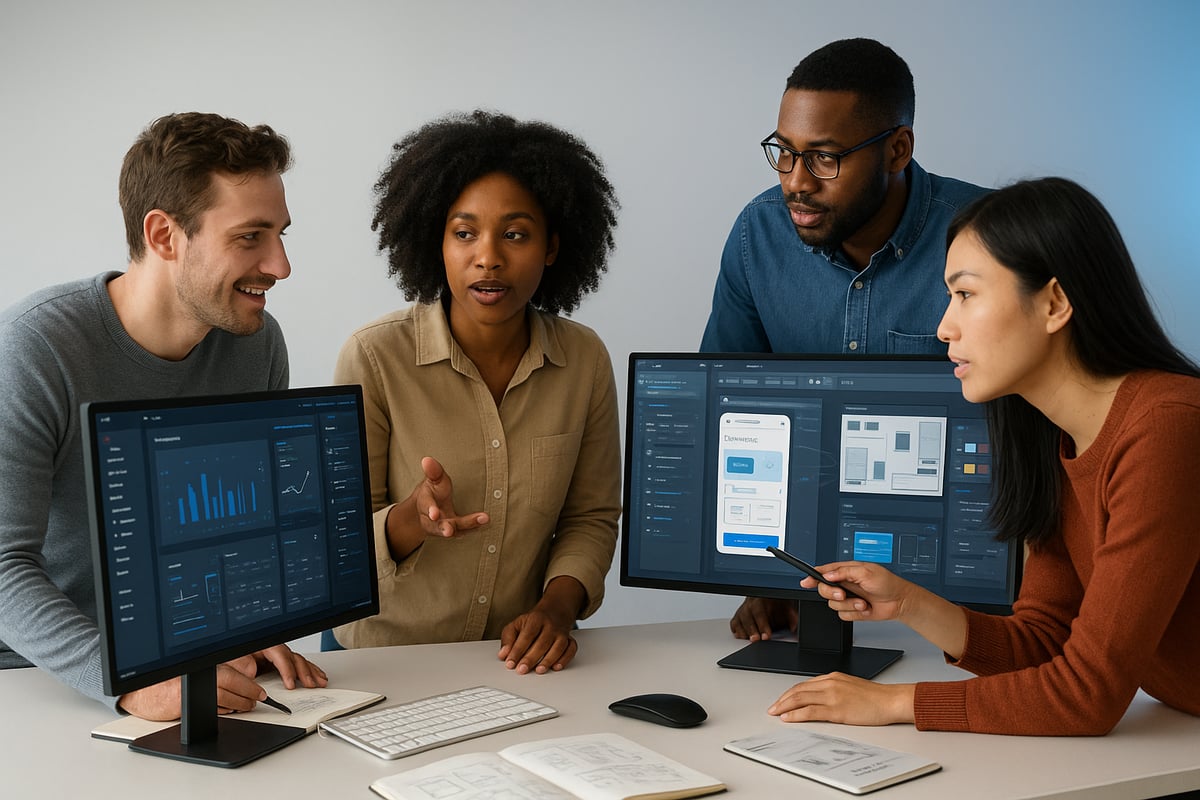
Modern design techniques bring unprecedented opportunities, but they also introduce new challenges for teams aiming to stay competitive. As organizations adopt innovative workflows, they often encounter resistance, skill gaps, and the overwhelming variety of tools available.
Navigating Technology, Team, and Market Barriers
Teams frequently face obstacles when integrating advanced design techniques. Common barriers include:
| Challenge | Description | Solution Example |
|---|---|---|
| Resistance to Change | Hesitation in adopting new methods or tools | Host workshops and open forums for feedback |
| Skill Gaps | Lack of expertise in emerging technologies | Invest in targeted training and mentorship |
| Tool Overload | Too many platforms, causing workflow fragmentation | Standardize toolsets and streamline processes |
| Managing Complexity | Difficulty balancing multiple design techniques | Use modular systems and prioritize core user needs |
Overcoming these challenges starts with fostering a culture of continuous learning and openness. Encourage team members to experiment and share insights, whether through internal knowledge sessions or external courses.
Upskilling is essential as design techniques evolve. Adopting inclusive design principles for accessibility not only broadens your team's capabilities but also ensures your projects serve a wider audience.
Staying current with technology trends is equally important. For instance, understanding AI’s role in web design and development can help your team select the most impactful tools, avoiding redundancy and maximizing productivity.
Prioritizing user needs remains at the core of successful design techniques. Brands that thrive amid rapid change conduct regular user research, iterate quickly, and measure outcomes to guide future improvements.
Ultimately, adaptability is the most valuable asset. Encourage ongoing learning, embrace feedback, and be ready to refine your approach as new design techniques and market demands emerge.
Resources and Tools for Mastering 2026’s Design Techniques
Mastering the latest design techniques requires more than creativity—it demands the right set of tools, reliable learning platforms, and a commitment to continuous growth. Staying current is essential for any designer aiming to excel in a landscape defined by rapid change and innovation.
Essential Tools for Modern Designers
Choosing the right tools is the backbone of effective design techniques. Here is a quick comparison of top platforms by category:
| Category | Recommended Tools | Key Benefit |
|---|---|---|
| AI Design | Adobe Firefly, uizard, Figma AI | AI-powered ideation, automation |
| Prototyping | Figma, ProtoPie, InVision | Rapid prototyping, collaboration |
| Analytics | Hotjar, Google Analytics, FullStory | User insights, A/B testing |
| Accessibility | Stark, axe DevTools, WAVE | Compliance, usability |
| AR/VR | Unity, Spark AR, 8th Wall | Immersive experience creation |
For those interested in ethical and sustainable design techniques, consider exploring Sustainable and eco-friendly web design for actionable frameworks and inspiration.
Learning Hubs and Design Communities
To stay ahead, join design communities such as Designer Hangout, Dribbble, and the UX Design Institute. These platforms offer networking, feedback, and exposure to the latest design techniques.
Online courses on platforms like Coursera, Interaction Design Foundation, and LinkedIn Learning provide structured paths to upskill in AI-driven workflows, immersive experiences, and accessibility.
Podcasts such as "DesignBetter" and newsletters like "UX Collective" deliver regular updates on emerging trends.
Evaluating and Integrating New Resources
When assessing new tools or platforms, consider compatibility with your workflow, scalability, and support for advanced design techniques. Prioritize solutions with strong community backing and transparent update cycles.
A personal or team learning roadmap should include regular tool reviews, participation in industry forums, and hands-on experimentation. Embrace a mindset of ongoing knowledge sharing to keep your design techniques sharp and future-proof.