

Are you prepared for the rapid changes shaping the design of web in 2026? The digital landscape is advancing at a record pace, and staying ahead is more crucial than ever. This guide is crafted for web designers, business owners, and digital strategists who want to secure a competitive edge.
Inside, you will discover the newest principles redefining the design of web, from AI-powered personalization to advanced accessibility standards. Explore how sustainable practices and emerging technologies will impact your projects.
Get ready to unlock actionable strategies and future-proof your website with the insights that matter most.
The Evolution of Web Design: 2020–2026
The pace of innovation in the design of web has accelerated dramatically between 2020 and 2026. This period has seen a fundamental rethinking of how websites are built, experienced, and maintained. Let us explore the defining shifts, breakthrough technologies, and real-world transformations that have shaped the modern digital landscape.
Major Shifts in Design Philosophy
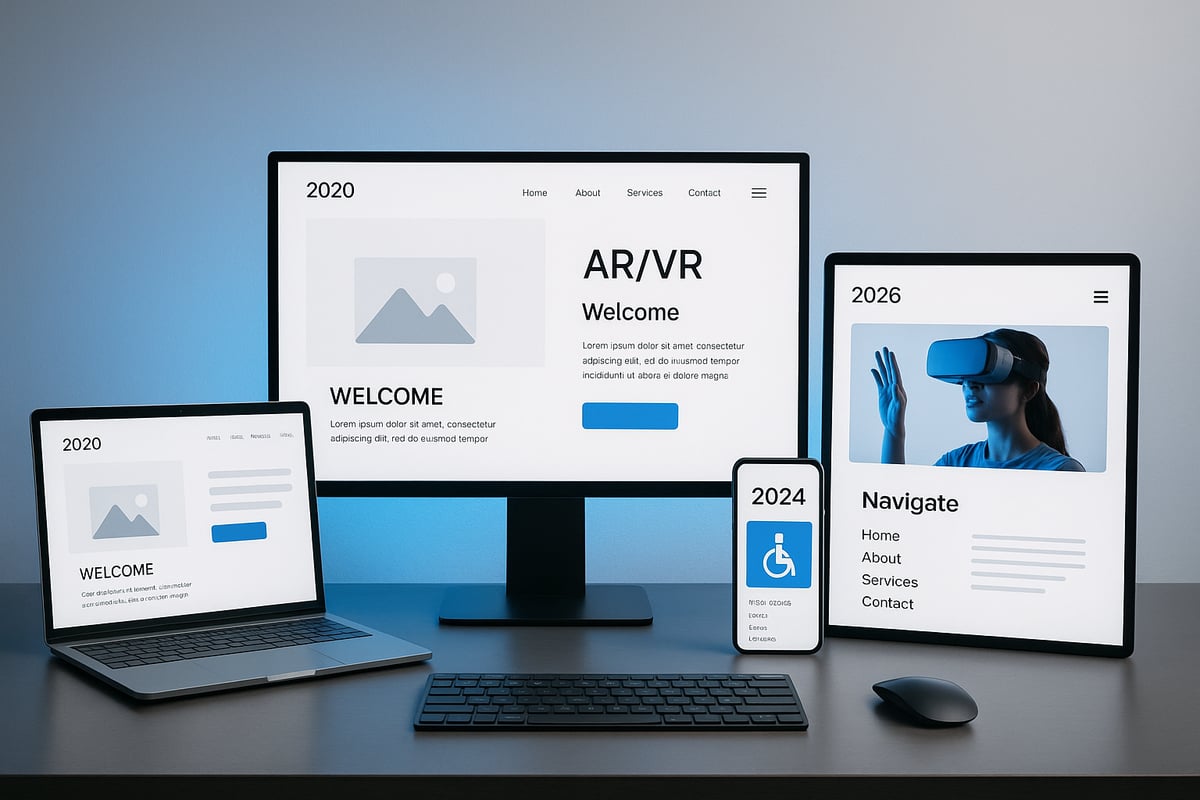
From 2020 onward, the design of web has transitioned from static pages to dynamic, interactive experiences. Designers now prioritize user-centric and inclusive approaches, ensuring that all visitors feel engaged and respected. Mobile-first and responsive frameworks have become foundational, with 80% of global web traffic now originating from mobile devices (Statista, 2023).
Inclusivity is not just a trend but a mandate, shaping visual and structural choices. The emphasis on accessibility-first and minimalist aesthetics is evident in how designers approach navigation, color, and content. For a deeper look at these future-focused philosophies, visit Emerging Web Design Trends for 2026.
Key Technologies Driving Change
The rapid integration of artificial intelligence has transformed the design of web, with AI-driven personalization and automation now standard features. Augmented and virtual reality (AR VR) are bringing immersive experiences to everyday browsing. No-code and low-code platforms have democratized development, enabling faster prototyping and empowering more people to build sophisticated sites.
These technologies work together to streamline workflows, personalize content, and create richer, more adaptive user journeys across all devices.
Impact of Global Events and Digital Acceleration
The aftermath of 2020 brought a dramatic shift in the design of web as remote work and e-commerce surged. Businesses raced to digitize, leading to a wave of innovation and transformation. Sustainability and accessibility became non-negotiable, not optional.
A striking example: 70% of users now abandon sites that are not accessible (WebAIM, 2024). This highlights the critical need for compliance and inclusivity in every project.
Data-Driven Design and Analytics
Continuous optimization is now a core part of the design of web strategy. Teams use analytics to monitor user behavior, identify friction points, and refine interfaces over time. A/B testing and heatmapping have become standard, providing actionable insights for both small tweaks and major overhauls.
By leveraging data, designers ensure that every decision is backed by evidence, resulting in higher engagement and better outcomes for both users and businesses.
The Role of Design Systems and Component Libraries
Efficiency and consistency have become central to the design of web, thanks to the widespread adoption of design systems and component libraries. Tools like Figma, Storybook, and Material Design allow teams to create and reuse modular UI components, reducing redundancy and speeding up delivery.
This approach streamlines collaboration, ensures brand consistency, and makes it easier to scale digital products across platforms.
Case Studies: Web Redesigns That Set the Standard
Leading brands have embraced the modern design of web, adapting to new user expectations and technological advances. E-commerce sites, for instance, have seen conversion rates increase by 20% after comprehensive redesigns (Baymard Institute, 2024).
These case studies underscore the tangible benefits of responsive layouts, AI-powered personalization, and accessibility-first strategies. The lessons learned from these pioneers will continue to shape best practices as we approach 2026.
Core Principles of Web Design in 2026
Staying ahead in the design of web requires a deep understanding of the core principles that define modern websites. In 2026, these principles ensure every site is user-friendly, future-ready, and competitive. For a deeper dive into foundational guidelines, see Best Practices for Website Design.

User Experience (UX) and Accessibility
The design of web in 2026 puts user experience at its core. Seamless navigation and intuitive layouts are no longer optional. Designers prioritize accessibility, following WCAG 3.0 standards and global mandates to ensure all users can interact with content.
Accessible sites provide clear labels, keyboard navigation, and support for assistive technologies. This approach not only widens your audience but also builds trust and loyalty.
Mobile-First and Cross-Device Consistency
Mobile devices drive the majority of web traffic, so the design of web must start with mobile-first thinking. Designers now account for foldables, wearables, and IoT devices, creating layouts that adapt fluidly to any screen size.
Responsive grids, scalable assets, and flexible components guarantee a consistent experience across devices. This strategy supports engagement and drives conversions, no matter how users access your site.
Visual Hierarchy and Minimalism
A clear visual hierarchy is essential in the design of web. Minimalism, with generous whitespace, bold typography, and subtle microinteractions, guides users effortlessly through content.
Sites leveraging minimalist principles see higher engagement. Clean interfaces reduce cognitive load, making information easier to find and understand.
Personalization and Dynamic Content
Personalization is transforming the design of web. AI-powered recommendations and adaptive layouts tailor experiences for each visitor. Dynamic content keeps sites fresh and relevant, increasing retention and satisfaction.
Homepages that adjust based on user behavior lead to greater loyalty. Personalization turns static pages into living experiences that respond to individual needs.
Performance and Speed Optimization
Speed remains a cornerstone of the design of web. Core Web Vitals are now critical ranking factors, influencing both SEO and user satisfaction.
Techniques like lazy loading, image compression, and CDN integration ensure rapid load times. Optimized performance keeps users engaged and reduces bounce rates.
Security and Privacy by Design
Security is baked into the design of web from the start. Compliance with GDPR, CCPA, and other privacy laws is non-negotiable. Designers use HTTPS, biometric authentication, and secure payment flows to protect data.
Privacy by design means transparency in data collection and robust safeguards against threats, fostering user confidence.
Sustainable and Ethical Design
Sustainability is shaping the future of the design of web. Eco-friendly hosting, dark mode, and efficient coding practices reduce carbon footprints. Ethical design limits addictive patterns and prioritizes user wellbeing.
Designers measure impact with carbon calculators and choose green infrastructure. These steps align with rising consumer expectations for responsible digital experiences.
| Principle | Key Focus | 2026 Best Practice Example |
|---|---|---|
| UX & Accessibility | Inclusive, seamless | WCAG 3.0 compliance |
| Mobile-First | Cross-device consistency | Responsive layouts |
| Visual Hierarchy | Minimalist, clear | Bold typography, whitespace |
| Personalization | Dynamic, AI-driven | Adaptive content recommendations |
| Performance | Fast, optimized | Lazy loading, CDN usage |
| Security & Privacy | Safe, transparent | GDPR, secure authentication |
| Sustainability | Eco-friendly, ethical | Green hosting, ethical design |
Step-by-Step Guide: Designing a Future-Proof Website for 2026
Building a website to thrive in 2026 means following a precise, modern process. This step-by-step guide breaks down the design of web projects into actionable stages, ensuring your site is prepared for tomorrow’s trends and technologies.

Step 1: Research and Strategy
Every successful design of web project begins with research. Start by defining clear business goals. Who is your target audience? What problems does your site need to solve? Develop detailed personas to visualize users’ needs.
Study your competitors. Analyze their strengths, weaknesses, and unique features. Use tools like SimilarWeb or SEMrush to benchmark performance. Gather analytics from your existing site to uncover user behavior and pain points.
Solicit feedback through surveys or interviews. Data-driven planning sets the foundation for a resilient design of web strategy. By understanding your audience and market landscape, you can anticipate trends and create a future-proof roadmap.
Step 2: Wireframing and Prototyping
Translate your strategy into wireframes, focusing on layout, navigation, and user flow. Modern design of web tools like Figma and Adobe XD allow for rapid iterations and collaboration.
Leverage design systems and reusable components to maintain consistency. Early prototyping helps identify usability issues before development begins. Involve stakeholders and potential users in testing. Their insights reveal gaps and help refine the user journey.
Interactive prototypes enable you to visualize the end product and validate ideas. This step saves time and resources, ensuring the design of web aligns with real-world needs.
Step 3: Visual Design and Branding
Visual identity is critical in the design of web. Choose a cohesive color palette, accessible typography, and high-quality imagery. Consistency across all elements builds trust and brand recognition.
Apply accessibility best practices from the start. High contrast, scalable fonts, and alt text for images make your site usable for everyone. Incorporate microinteractions and whitespace for a modern, minimalist look.
A strong brand presence increases engagement. Use a style guide to document your visual standards. Remember, brands with consistent visuals enjoy up to 33 percent more trust from users.
Step 4: Content Creation and Personalization
Content is the voice of your design of web. Write clear, SEO-optimized copy tailored to your audience. Integrate multimedia elements such as video, AR/VR, and interactive graphics to enhance engagement.
Harness AI-powered personalization tools to deliver dynamic content and recommendations. For a deep dive on this topic, see AI-Powered Personalization in Web Design. Personalization increases retention and drives conversions.
Use data to adapt headlines, product suggestions, and layouts in real time. A personalized design of web experience ensures visitors find relevant information quickly.
Step 5: Development and Technology Integration
Choose the right tech stack for your design of web. Jamstack, headless CMS, and progressive web apps (PWAs) offer scalability and speed. Performance and security should be top priorities.
Implement features like lazy loading, image optimization, and content delivery networks (CDNs) for faster load times. Use HTTPS, biometric authentication, and secure payment flows to protect users.
Automate testing and deployment with CI/CD pipelines. This approach reduces errors and accelerates updates, keeping your design of web ahead of the curve.
Step 6: Accessibility, Testing, and Optimization
Accessibility is non-negotiable in the design of web for 2026. Conduct comprehensive audits based on WCAG 3.0 standards. Use automated tools and manual testing to ensure all users can navigate your site.
Test across devices and browsers to guarantee a consistent experience. Optimize performance by compressing images, minimizing scripts, and leveraging browser caching.
Iterate based on analytics and user feedback. Regular testing and updates keep your design of web compliant and user-friendly.
Step 7: Launch, Analytics, and Continuous Improvement
Prepare for launch by setting up analytics tools like GA4 and Hotjar. Track conversions, user flows, and engagement metrics to measure the success of your design of web.
Solicit post-launch feedback and monitor for issues. Schedule regular updates to address new trends, security patches, and compliance changes.
Continuous improvement is key. The design of web is never static, so revisit your strategy and iterate to stay relevant.
Integrating AI and Automation in Web Design
Artificial intelligence is redefining the design of web experiences, making them smarter, more adaptive, and user-focused than ever. As we approach 2026, automation and AI are essential tools for anyone aiming to stay ahead in the design of web projects.
AI-Driven Personalization and User Journeys
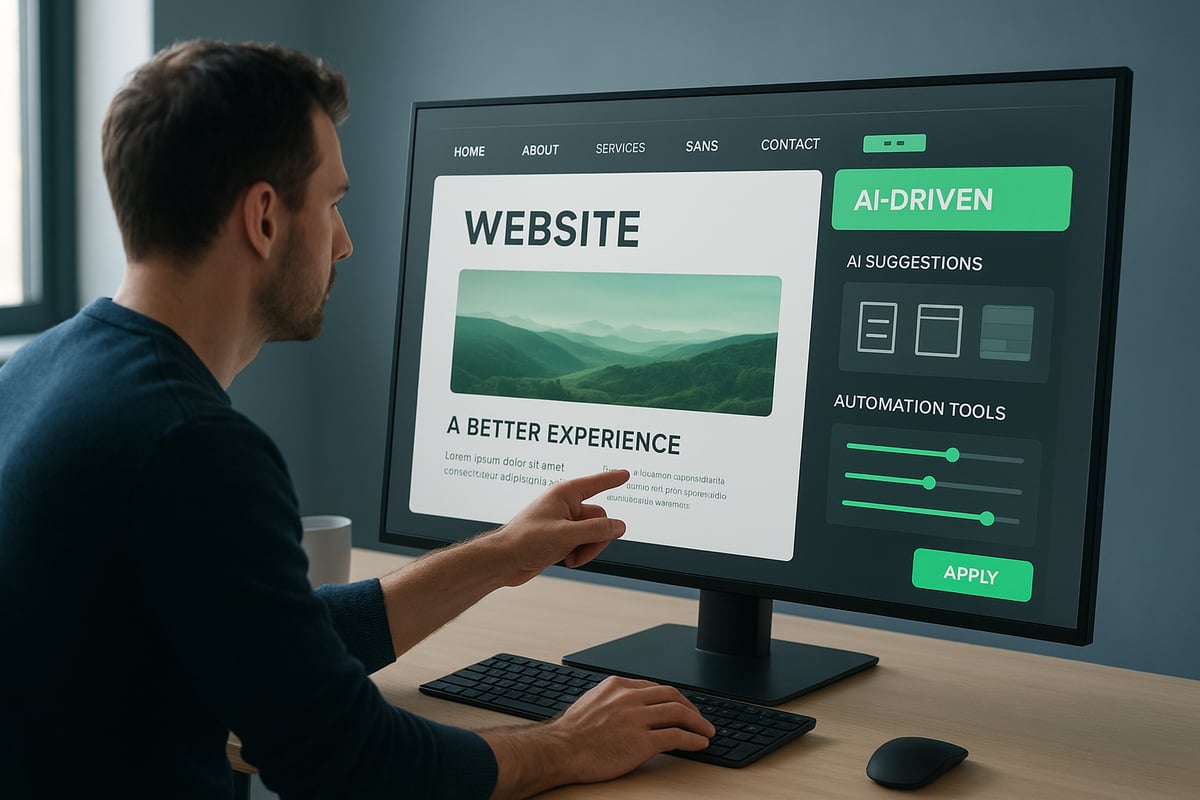
AI is transforming the design of web platforms by tailoring content, layouts, and interactions to individual users. Machine learning algorithms analyze user behavior, preferences, and history to deliver targeted experiences. This goes far beyond static personalization, creating dynamic journeys that adapt in real time.
For instance, AI-powered chatbots and recommendation engines can increase conversion rates and user satisfaction. According to AI-Powered Personalization in Web Design, these advancements lead to more engaging and efficient user paths. By integrating AI, the design of web environments becomes not only more intuitive but also more competitive in a fast-evolving market.
Automated Design Tools and No-Code Platforms
The design of web interfaces is no longer limited to those with deep coding expertise. Automated platforms like Wix ADI, Webflow, and Framer enable rapid deployment through intuitive interfaces and smart suggestions. These tools democratize the design of web projects, making high-quality, professional results accessible to a wider range of creators.
No-code solutions accelerate prototyping and reduce development cycles. Designers can focus on creativity and user experience while automation handles repetitive tasks. This efficiency is critical for businesses seeking agility and scalability in the design of web solutions.
Predictive Analytics and User Behavior Analysis
Predictive analytics is revolutionizing the design of web by forecasting user needs and optimizing site layouts. AI tools analyze engagement metrics, click patterns, and heatmaps to suggest improvements that lower bounce rates and boost retention.
Continuous data-driven refinement ensures every aspect of the design of web supports user goals. A/B testing, powered by AI, helps identify what resonates with audiences. Predictive UX strategies reduce churn and help businesses anticipate future trends, maximizing the impact of every design decision.
Content Generation and Optimization
AI-driven content creation is now central to the design of web experiences. Tools like GPT-4 and DALL-E generate high-quality copy, images, and even videos tailored to specific audiences. Automated A/B testing fine-tunes headlines, calls to action, and visuals for maximum effectiveness.
With automation, content updates and optimizations happen faster, keeping the design of web platforms fresh and relevant. Integrating these technologies streamlines workflows, allowing teams to focus on strategic goals and creative innovation.
Ethical Considerations and Human Oversight
While automation enhances efficiency, ethical oversight remains vital in the design of web projects. AI must be transparent, unbiased, and aligned with brand values. Designers should regularly audit AI-driven features to prevent bias and ensure compliance with privacy standards.
Balancing automation with human creativity protects authenticity and trust. The future design of web will depend on responsible innovation, prioritizing user rights and meaningful experiences.
Accessibility, Inclusivity, and Globalization in Web Design
The design of web now demands more than just visual appeal. True innovation puts accessibility, inclusivity, and globalization at the forefront. Embracing these principles not only broadens your reach but also ensures every user enjoys a seamless, equitable experience.
Designing for All Abilities
Inclusive design of web means building digital spaces that welcome everyone. This involves considering vision, hearing, cognitive, and mobility impairments from the start.
Accessible websites use features like alt text for images, proper heading structures, and keyboard navigation. These enhancements help users with screen readers and those who cannot use a mouse. According to the CDC, accessible sites reach 25% more users, making accessibility not just ethical but essential to the design of web.
Multilingual and Multicultural Web Experiences
Globalization shapes the design of web by demanding content that resonates across cultures and languages. Localization and real-time translation tools enable sites to adapt text, images, and layouts for different regions.
By prioritizing cultural adaptation, you ensure that humor, symbols, and colors are appropriate for each audience. This approach increases engagement and trust, making the design of web effective on an international scale.
Legal and Ethical Mandates
Compliance with global accessibility laws is now a core requirement in the design of web. Standards such as ADA, EN 301 549, and WCAG 3.0 set the baseline for accessible experiences. Legal actions are rising, with accessibility lawsuits up 30% year-over-year.
Recent analysis, like the findings in Accessibility Challenges in Digital Content, reveals widespread compliance failures. Ignoring these mandates risks legal penalties and reputational harm, underscoring the urgency of accessible design of web.
Inclusive Imagery and Language
Authentic representation is vital for a truly inclusive design of web. Use imagery that reflects diverse ages, genders, cultures, and abilities. Avoid stereotypes and ensure your language is gender-neutral and welcoming.
Emphasize clarity and simplicity in messaging. To further refine your approach, consider exploring User Experience Design Strategies for guidance on creating content that resonates with every user.
Testing and Continuous Improvement
Testing is critical to maintaining accessible and inclusive web experiences. Utilize screen readers, keyboard navigation checks, and real-world user testing to identify barriers.
Regular accessibility audits, paired with user feedback, help you keep pace with evolving standards. Continuous improvement ensures your design of web remains open and effective for all.
Sustainable and Responsible Web Design for the Future
Sustainability is rapidly becoming a non-negotiable aspect of the design of web projects. As digital consumption grows, every designer must consider the environmental impact of their websites. For a deeper dive into eco-friendly strategies, see Eco-Friendly Website Design Principles.
Eco-Friendly Hosting and Green Infrastructure
Choosing eco-friendly hosting is crucial for minimizing the carbon footprint of the design of web platforms. Green hosting providers use renewable energy and energy-efficient hardware. For example, green hosting can cut emissions by up to 80 percent compared to traditional data centers. The shift to sustainable infrastructure supports broader corporate responsibility goals.
| Hosting Type | Energy Source | Emissions Reduction |
|---|---|---|
| Traditional Hosting | Fossil Fuels | Low |
| Green Hosting | Renewables | Up to 80% |
Optimizing for Low Energy Consumption
Efficient coding and media optimization are core to sustainable web practices. The design of web assets should prioritize lightweight code, compressed images, and minimal scripts. Features like dark mode and reduced animation not only save energy but also enhance user experience on mobile devices.
- Use SVGs instead of heavy images
- Minimize third-party scripts
- Enable lazy loading for images
Digital Wellbeing and Ethical Design
Responsible design of web interfaces means prioritizing user health and informed consent. Limiting addictive patterns, providing clear privacy choices, and reducing notification fatigue are essential. Ethical design also involves transparency in data collection and supporting digital wellbeing through mindful UX.
Measuring and Reporting Impact
Tracking the environmental impact of the design of web is now easier with tools like EcoPing and Website Carbon Calculator. These platforms help measure energy consumption and carbon output, enabling teams to set benchmarks and demonstrate progress to stakeholders.
Future Trends in Sustainable Design
The future of sustainable web design lies in circular principles and zero-waste digital experiences. As regulations tighten and consumers demand greener solutions, expect the design of web projects to integrate more sustainable practices and transparent reporting. Staying ahead means anticipating these shifts and adopting responsible design strategies now.