

Most ecommerce brand pages still look like filing cabinets. They hold products, but they don’t help people decide.
That doesn’t work in 2026. Brand page SEO now sits between category SEO and product SEO, precisely targeting user intent, and AI Overviews, which utilize AI-powered search to categorize content, raise the bar. Search engines want clear entities, clear user intent, and pages with enough context to earn the click.
If you run a multi-brand store, a marketplace, or designer landing pages, each brand URL needs a real job. These pages help the site define a clear brand entity and target high-value branded keywords effectively. Here’s how to build pages that rank, convert, and avoid index bloat.
Key Takeaways
- Brand pages target high-value branded keywords in 2026 by providing unique context, trust signals, and curated products, bridging category and product SEO while feeding AI Overviews with clear entity signals.
- Build one indexable page per clear intent using stable URLs like
/brands/asics/, with short intros on style/fit/price, structured data, and conversion details like shipping and returns. - Curate product modules (bestsellers, categories), ensure entity consistency across elements, and wire pages as site hubs with internal links from products, categories, and guides.
- Control duplication by canonicalizing filters, optimize mobile UX with fast loads and clean navigation, and track branded performance in Search Console to build authority.
Why brand pages carry more SEO weight in 2026
A good brand page works like a smart store aisle, not a stockroom. It groups products under a name shoppers trust, then adds the context a product grid can’t carry on its own.
That’s more important now because search engines leverage the Knowledge Graph and LLMs to synthesize brand reputations, often answering basic brand questions before a click. AI Overviews can summarize brand reputation, product types, price level, or fit. If your page only shows 24 product cards and a logo, it gives search engines few brand signals to quote and shoppers little to trust, limiting brand awareness and brand authority.
For multi-brand retailers, brand pages also solve mixed intent amid rising branded search volume. Some searches are brand-only, like “Veja.” Others are brand plus category, like “Veja women’s sneakers.” The first may need a master brand page. The second may deserve a curated subpage, but only if it has unique products and content.
Retailers also don’t need to beat official brand sites the same way. You may not outrank the manufacturer for every head term. However, you can win comparison-heavy searches by offering stock depth, delivery terms, price filters, and category shortcuts in one place.
This quick comparison shows the gap:
| Page trait | Thin brand page | Strong brand page |
|---|---|---|
| Page purpose | Generic product dump | Clear brand or brand-category intent |
| Content | One short blurb | Original intro, fit notes, price range, use cases |
| Trust signals | None | Authenticity, shipping, returns, reviews |
| Site role | Orphaned or filter-based | Linked from categories, products, guides |
| Reputation management | Neglected | Proactive, builds brand equity |
The pattern matches broader ecommerce trends in DebugBear’s 2026 ecommerce SEO guide. Strong pages improve the search snippet to capture attention and boost brand awareness, aligning with key search engine optimization principles where pages that combine relevance, speed, and usefulness tend to hold up better than thin template pages.
Build brand pages that can rank and convert
Start with one rule, one indexable page per clear search intent. That’s the backbone of good on-page SEO.
- Pick the winner URL first. Use a stable brand URL such as
/brands/asics/, not a filtered parameter page. Add brand compounds only when they have their own unique demand, product set, and copy. - Write a short intro above the grid. Keep it tight, about the brand’s style, materials, fit, price point, or who it suits. Then add richer content lower on the page, where it won’t slow down shopping.
- Curate the product modules. Show best sellers, new arrivals, top categories, and seasonal picks. A curated layout tells both users and crawlers what matters most.
- Add structured data that matches the page. ItemList, BreadcrumbList, Product data for products in the grid, and FAQ content only when it’s visible all help machines read the page better. Pair this with well-optimized title tags and meta descriptions, which are crucial for boosting click-through rate from the SERP. Google’s ecommerce structured data guidance is a solid reference, and this ecommerce schema markup guide is useful when you build it out.
- Add conversion details that belong on a brand page. Include authenticity notes, shipping and returns, sizing help, why people buy this brand from your store, and links to your Google Business Profile to show local availability for multi-brand stores, supporting a better user experience.
A strong example might be a running retailer with a Brooks brand page. The top of the page gives a clean summary. Below that, shoppers see road shoes, trail shoes, walking styles, and best sellers. Lower on the page, the store adds fit guidance, cushioning notes, return info, and links to their Google Business Profile for store locations. That’s far better than a blank grid sorted by newest.
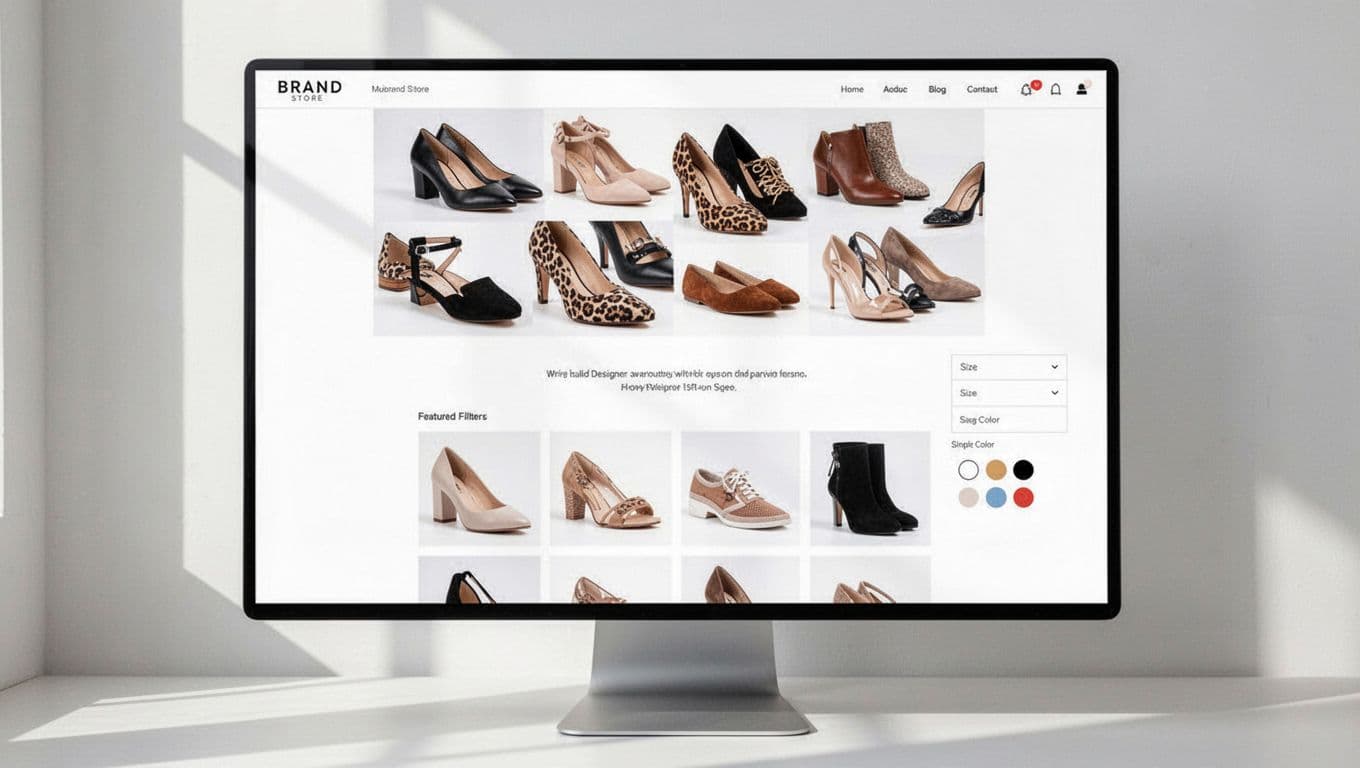
One more detail matters in 2026 for search engine optimization, entity consistency. Use the same brand name, spelling, and category labels across titles, H1s, breadcrumbs, product attributes, and internal links. Mixed naming makes the page harder to understand.
Control duplication, then strengthen links and UX
Thin pages usually don’t start as pages. They start as filters. A brand plus size plus color plus sale URL can turn into hundreds of near-copies fast, especially on Shopify and large marketplaces.
If a brand page can’t support unique copy, curated products, and its own link path, it shouldn’t be indexable.
That rule saves a lot of pain. Keep a small set of curated brand pages open to indexing, then push all filter states back to the main canonical page or block them from indexation. If you’re on Shopify, use canonical tags along with this Shopify faceted navigation SEO checklist as a practical way to control crawl waste.
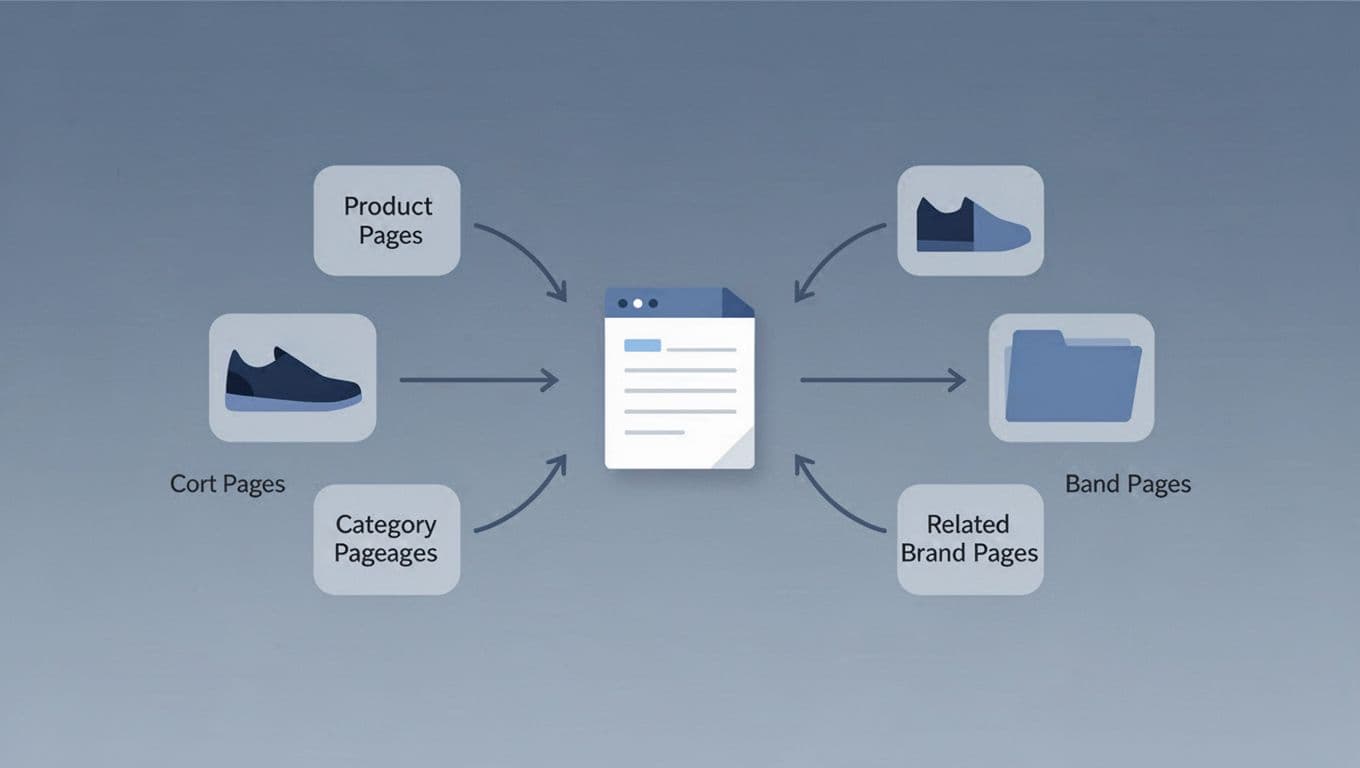
Next, wire brand pages into the site like real hubs. Product pages should link back to their brand. Category pages can feature important brands. Editorial guides should point shoppers to the right brand landing page with natural brand mentions when the match fits. Clean breadcrumb trails for better category SEO also help search engines place the page in your catalog. Pair these internal links with backlinks and off-page SEO efforts to strengthen your branded SERP presence. For added relevance, local SEO strategies like links to physical stores can draw in regional shoppers.
Then make the page easy to use. Put the brand intro near the top, but don’t bury products. Keep filters helpful, not noisy. Load hero media fast. Ensure title tags and meta descriptions stay consistent for mobile users. On mobile, brand pages should feel light and obvious, not like a heavy campaign page squeezed into a small screen. Local SEO tweaks here, such as store locator integration, boost relevance for nearby searchers.

Watch brand pages as their own segment, too. In Search Console, run a competitive analysis of branded keywords using LLMs to track performance and build brand awareness through targeted search engine optimization. Backlinks from authority sites will further amplify these gains.
Frequently Asked Questions
Why do brand pages matter more for SEO in 2026?
Brand pages deliver the context and signals search engines need for Knowledge Graph and AI Overviews, summarizing reputation, products, and fit without clicks. Thin grids fail here, limiting rankings and trust, while strong pages boost branded search volume for multi-brand stores. They let retailers win comparisons without outranking official sites.
How should I structure a brand page to rank and convert?
Start with a stable URL and short intro on brand style, materials, or fit above curated modules like bestsellers and categories. Add structured data (ItemList, BreadcrumbList), conversion info (shipping, returns), and entity-consistent naming. Place richer content lower to keep shopping fast.
How do I avoid index bloat from brand pages?
Limit to one indexable page per clear intent; canonicalize or noindex filter-heavy URLs. Use Shopify checklists for faceted navigation and block duplicates. This focuses crawl budget on pages with unique copy and products.
What’s the role of internal linking for brand pages?
Link brand pages as hubs from products, categories, guides, and breadcrumbs to strengthen site architecture and relevance. This helps search engines understand hierarchy and boosts branded SERP presence. Pair with backlinks and local SEO for multi-brand retailers.
How can I optimize brand pages for mobile and AI search?
Ensure fast hero media, obvious navigation, and light layouts that prioritize products over heavy content. Maintain consistent titles/metas and integrate store locators for local intent. Track in Search Console for branded keywords to refine against AI summaries.