

Imagine launching a visually striking website that converts visitors into customers, all within hours. This is now possible thanks to the power of web design using ai.
In 2026, artificial intelligence is transforming the creative process. Designers, developers, and business owners are leveraging AI to craft smarter, more engaging digital experiences.
This guide will show you how AI is reshaping the industry. You’ll discover the evolution of AI in web design, essential tools, a practical workflow, best practices, and emerging trends. Ready to unlock the future of web design? Let’s begin.
The Evolution of AI in Web Design
The story of web design using ai is one of rapid transformation. Just a few years ago, artificial intelligence was a novelty in the design world. Now, it is a core driver of creativity, efficiency, and innovation for agencies, freelancers, and businesses.

The Early Days: Automation Meets Design
In the early 2020s, web design using ai began with simple tools. Basic layout generators, automated chatbots, and template-based site builders like Wix ADI emerged as the first wave. These platforms offered speed, but at the cost of limited creativity and customization.
Many early adopters found that web design using ai produced “cookie-cutter” sites. Industry skepticism was common, as designers worried about losing their creative voice. Between 2020 and 2024, adoption grew steadily, but only about 35% of agencies reported using AI tools. The main complaint was a lack of dynamic, engaging user experiences.
Milestones Leading to 2026
The next phase brought major breakthroughs. Generative design algorithms enabled platforms to create unique layouts and visuals based on simple prompts. AI-driven personalization and real-time UX optimization became possible, with notable tools like Adobe Sensei, Figma AI, and Shopify Magic.
No-code and low-code platforms integrated these features, making advanced web design using ai accessible to more users. By 2025, 67% of web agencies had adopted AI-powered tools, with a leading e-commerce brand reporting a 22% increase in conversions after an AI-driven redesign. According to AI’s Impact on Web Design Workflows, 93% of designers now use some form of AI in their workflows.
Impact on Design Roles and Collaboration
As web design using ai matured, it shifted the focus of design teams. Routine manual tasks were automated, allowing designers to concentrate on creative strategy and storytelling. “AI-augmented” teams became the norm, blending technical, creative, and analytical skills.
Agencies restructured workflows to integrate AI partners, fostering closer collaboration between designers, developers, and intelligent systems. A 2025 survey revealed that 72% of designers consider AI a true “creative partner.” This shift has empowered professionals to deliver smarter, more engaging digital experiences.
Future Outlook: What’s Next?
Looking ahead, web design using ai will drive even more innovation. Experts predict adaptive design systems that instantly adjust to user needs, AI-powered UX research, and real-time A/B testing as standard features by 2026.
However, challenges remain. Balancing automation with authentic brand identity is critical. As AI takes on more tasks, human creativity will become even more valuable. The future of web design using ai is not just about smarter machines, but about empowering people to create more meaningful, personalized digital experiences.
Essential AI Tools and Platforms for Web Design in 2026
Building an exceptional online presence in 2026 requires the right technology. Today, a powerful ecosystem of platforms and assistants is transforming web design using ai, making creative workflows faster, smarter, and more accessible than ever.
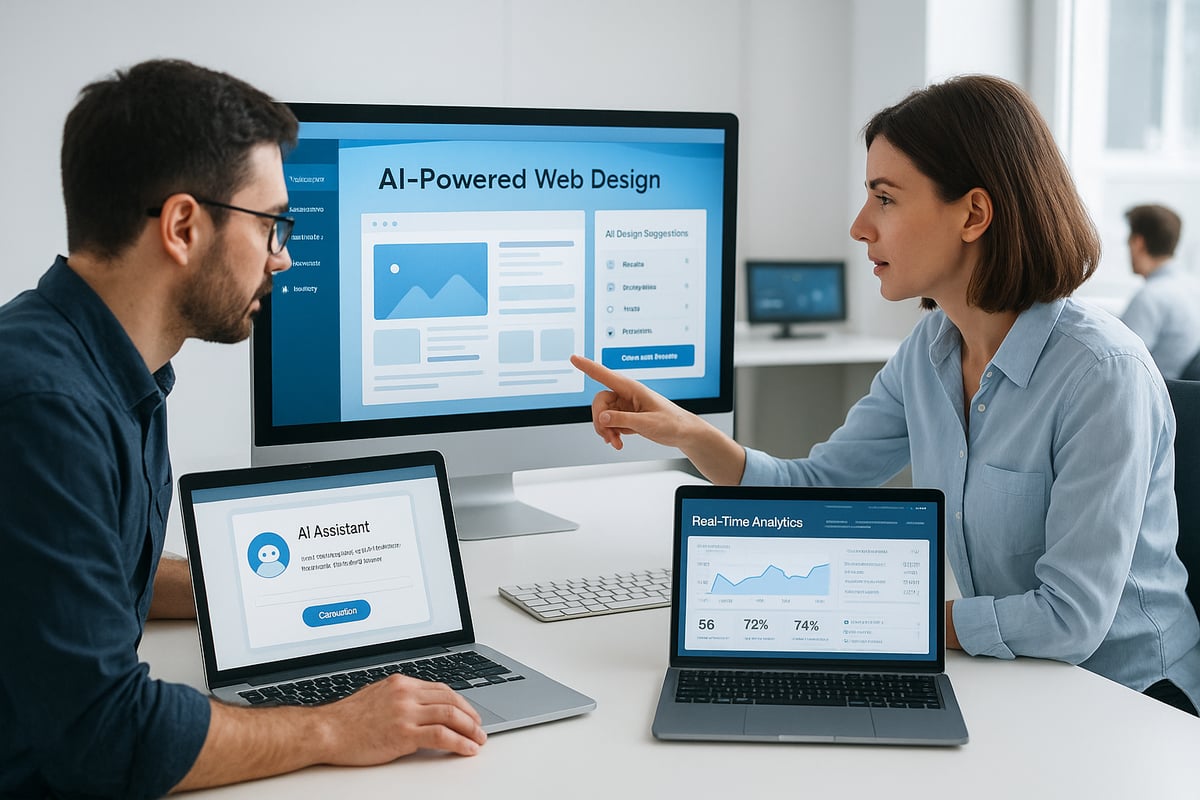
AI-Powered Design Assistants
AI-powered design assistants are now indispensable for web design using ai. Leading platforms such as Adobe Sensei, Figma AI, and Canva Magic offer a suite of features that streamline creative tasks:
- Automated mockup generation
- Intelligent color palette suggestions
- AI-driven copywriting for headlines and CTAs
For example, Figma AI enables teams to reduce prototyping time by up to 60 percent, allowing designers to focus on user experience and branding. User adoption rates continue to rise as these assistants become more intuitive. Interested in a deeper dive? Explore a comprehensive list of the Best AI tools for web design.
Generative Design Platforms
Generative design platforms are revolutionizing web design using ai by creating unique layouts and visual assets from simple prompts. Tools like Uizard, Framer AI, and Wix Studio 2026 leverage advanced algorithms to interpret user intent and generate custom site structures.
A compelling example: a small business launched a fully functional site within 24 hours, using only generative prompts and minimal manual input. These platforms empower creators to deliver visually distinct and brand-aligned experiences without starting from scratch.
AI for Personalization and UX Optimization
Personalization is a game changer for web design using ai. Platforms such as Dynamic Yield and Optimizely AI analyze real-time user behavior to adapt content and layout instantly. This approach improves engagement and conversion rates.
Consider an e-commerce site that saw an 18 percent increase in average order value after implementing AI-powered recommendations. According to recent data, 80 percent of users now expect personalized digital experiences, making this technology a critical investment for modern brands.
AI-Driven Accessibility and Localization
Ensuring every website is accessible and globally relevant is another core advantage of web design using ai. Platforms like accessiBe and Weglot AI automate accessibility audits, resolve compliance issues, and manage multi-language support.
For instance, a global brand expanded its reach by using AI-driven localization, resulting in a 40 percent reduction in accessibility-related complaints between 2024 and 2025. These solutions help organizations meet regulatory standards and serve diverse audiences with minimal manual effort.
Integrating AI with Popular CMS and E-commerce Platforms
Seamless integration is central to web design using ai in 2026. AI plugins and APIs now connect directly to platforms like WordPress, Shopify, and Magento, delivering features such as:
- Automated SEO optimization
- Smart product recommendations
- Real-time image compression
Shopify Magic’s integration, for example, has helped boost store performance and user satisfaction. Demand for robust AI-CMS connectivity continues to grow as businesses seek streamlined workflows and scalable solutions.
The AI-Powered Web Design Process: Step-by-Step Creative Guide
Artificial intelligence has transformed how websites are imagined, built, and optimized. This step-by-step guide empowers you to streamline every stage of web design using ai, from initial ideas to ongoing improvement. Let’s break down the modern creative process for 2026, highlighting essential tools, techniques, and real-world examples.
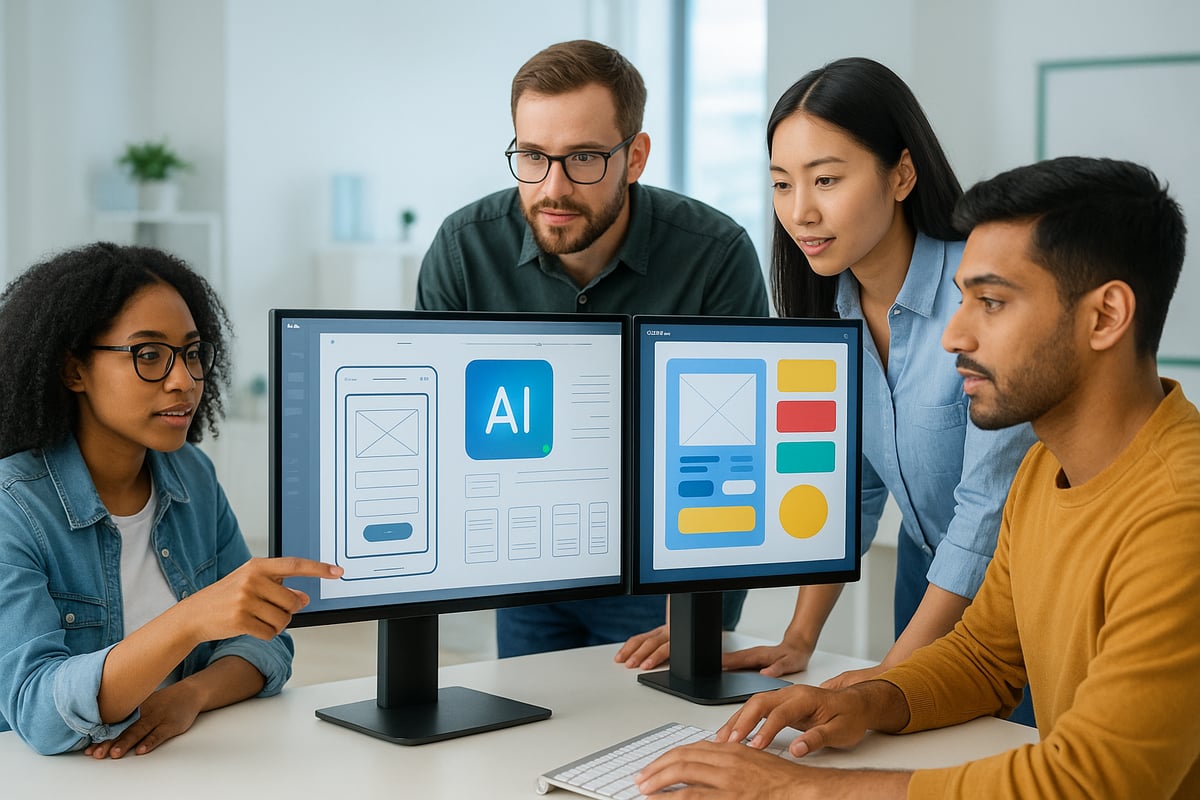
Step 1: Ideation and Concept Development
The journey of web design using ai starts with ideation. AI tools like Midjourney, DALL-E, and ChatGPT help teams brainstorm creative concepts quickly. By analyzing user data, these platforms suggest on-brand color palettes and mood boards that resonate with your target audience.
For example, you can prompt an AI with “Generate a calming palette for a wellness brand targeting millennials.” Instantly, you’ll receive visual schemes and design inspirations. Teams use these outputs to align on direction, saving hours compared to manual research. For more detailed approaches, see these AI-driven web design techniques.
This early collaboration between humans and AI sets the creative tone and ensures that web design using ai is both data-driven and imaginative.
Step 2: Content Generation and Planning
Content is the backbone of any successful website. With web design using ai, platforms like Jasper and Copy.ai generate headlines, product descriptions, and calls-to-action in seconds. AI-driven image and video generators produce visual assets tailored to your brand voice.
For instance, e-commerce brands have reduced content creation time by 40 percent, allowing teams to focus on strategic messaging. AI analyzes competitor content and trending topics, ensuring your site stands out.
By automating routine writing and media production, web design using ai delivers a consistent, compelling experience for every visitor, regardless of project scale.
Step 3: Layout and Wireframing
Rapid prototyping is essential in web design using ai. Tools such as Uizard and Figma AI generate wireframes and layouts based on your brief and brand guidelines. These platforms suggest optimal component placements, ensuring best practices in usability and conversion.
Teams can instantly visualize site architecture and iterate on wireframes using AI recommendations. Human designers review and refine these structures, merging creative intuition with data-backed suggestions.
This seamless workflow accelerates project timelines, enabling agencies and freelancers to deliver polished prototypes in record time with web design using ai.
Step 4: Visual Design and Branding
Maintaining a cohesive look and feel is crucial in web design using ai. AI-powered platforms automate logo creation, image editing, and adaptive branding across devices. Features like dynamic style guides ensure brand consistency from landing pages to product galleries.
Imagine updating your brand’s color scheme—AI can instantly apply changes to all digital assets, saving countless manual hours. These tools help preserve your unique identity while scaling design efforts efficiently.
Web design using ai empowers brands to evolve visually, keeping pace with trends and audience preferences without sacrificing originality.
Step 5: Personalization and UX Optimization
Personalization is at the heart of modern web design using ai. AI engines analyze real-time user behavior and adapt content, layouts, and recommendations on the fly. Dynamic A/B testing lets you refine user journeys for maximum engagement.
For example, e-commerce sites deploy AI to optimize product pages based on individual shopper preferences, increasing conversion rates significantly. Real-time adjustments ensure that every visitor experiences a site tailored to their needs.
With web design using ai, businesses deliver more relevant, satisfying user experiences that drive loyalty and results.
Step 6: Testing, Accessibility, and Localization
Ensuring accessibility and global reach is straightforward with web design using ai. AI-driven platforms conduct automated accessibility audits, flagging and fixing issues to meet WCAG standards. Multi-language support tools adapt content for diverse audiences without manual translation.
AI simulates user journeys, identifying friction points and suggesting improvements. For example, a site can pass accessibility audits with AI-generated fixes, reducing complaints and expanding its audience.
This step guarantees that web design using ai is inclusive, compliant, and ready for users worldwide.
Step 7: Launch, Analytics, and Continuous Improvement
The final phase of web design using ai involves launch readiness and ongoing optimization. AI tools perform pre-launch checks, ensuring all elements function correctly and load efficiently. Real-time analytics monitor user interactions and flag emerging issues.
AI-driven insights guide continuous improvements, from refining UX to updating visuals based on user feedback. For instance, AI can detect and resolve navigation problems post-launch, keeping your site performing at its best.
With web design using ai, optimization never stops, allowing your digital presence to grow and adapt alongside your audience.
Best Practices for Creative Web Design Using AI
Embracing web design using ai in 2026 means mastering a balance between technology and creativity. To help you achieve the best results, follow these essential best practices for ethical, efficient, and innovative AI-driven web experiences.

Balancing Automation with Human Creativity
Web design using ai thrives when human insight guides automated processes. While AI accelerates tasks like layout generation and content suggestions, designers must provide creative direction and final approval.
- Schedule regular designer-led review sessions to assess AI outputs
- Use AI for idea generation, but refine with unique brand storytelling
- Foster collaboration between creative and technical teams
For deeper insight, consult resources on Web design and UX best practices to ensure your AI workflows support both efficiency and originality. This approach keeps your site engaging and true to your brand vision.
Ensuring Ethical and Inclusive Design
Ethics are foundational in web design using ai. Addressing algorithmic bias and ensuring accessibility are non-negotiable. AI-generated layouts and content must be checked for fairness and inclusivity.
- Audit AI outputs for potential bias in imagery, language, or structure
- Apply industry guidelines to maintain accessibility for all users
- Adapt content for various cultural contexts and abilities
Following these steps builds trust and broadens your audience. Inclusive design is not just a requirement, it is a competitive advantage in a global digital landscape.
Data Privacy and User Trust
Trust is critical in web design using ai, especially when handling personalized content. Always inform users about data collection and AI usage.
- Choose GDPR-compliant AI personalization engines
- Be transparent about how user data informs site experiences
- Limit data retention to what is strictly necessary
By making privacy a priority, you foster long-term relationships and protect your reputation. Responsible data practices set you apart in a crowded market.
Speed, Scalability, and Cost Efficiency
A major benefit of web design using ai is the ability to deliver high-quality results rapidly and affordably. AI tools automate repetitive work, freeing up resources for strategic initiatives.
- Launch multiple sites simultaneously with AI-powered platforms
- Scale designs seamlessly across devices and languages
- Monitor site performance and adjust in real time
Case studies show agencies saving both time and money, making AI a smart investment for growing businesses seeking efficiency.
Continuous Learning and Skill Development
The field of web design using ai evolves quickly, requiring ongoing education. Designers and developers should invest in upskilling to remain competitive.
- Enroll in online AI-focused design courses and certifications
- Join professional communities to share best practices
- Participate in AI tool workshops to stay current
A 2025 survey found that 68 percent of web professionals are actively learning about AI. Fostering a culture of growth ensures your team can leverage AI for creative and technical excellence.
Emerging Trends and the Future of AI in Web Design
The landscape of web design using ai is evolving rapidly, reshaping how brands connect with users. As we look to the future, several trends are set to redefine creativity, efficiency, and user experience. Staying ahead means understanding these innovations and preparing to leverage them for lasting impact.
Hyper-Personalization and Predictive UX
Hyper-personalization is transforming web design using ai by enabling websites to anticipate user needs with predictive analytics. AI tracks user behavior in real time, adjusting layouts, content, and calls to action for each visitor. Imagine a site that adapts instantly, offering product suggestions or reordering navigation based on an individual’s browsing habits.
According to industry reports, 90% of top-performing sites will utilize predictive UX by 2026. For example, e-commerce platforms now use AI to modify interfaces as shoppers browse, leading to higher engagement and conversions. To explore more about these innovations, visit Emerging trends in web design.
Multimodal and Voice-Driven Interfaces
The future of web design using ai is increasingly multimodal, blending voice, gesture, and visual inputs. AI interprets user commands through speech or touch, making interactions more natural and accessible. For instance, voice-assisted navigation is becoming standard in e-commerce, allowing customers to search, filter, and buy products hands-free.
This shift improves inclusivity and convenience, especially for users with disabilities or on-the-go shoppers. As more platforms adopt these interfaces, expect a surge in creative, AI-driven experiences that break away from traditional web design patterns.
AI-Driven Collaboration and Co-Creation
AI is not just a tool but a creative partner in web design using ai. Real-time collaboration between human teams and AI agents accelerates ideation and execution. Tools like Figma Multiplayer with AI and Adobe Firefly empower designers to co-create layouts, iterate on visuals, and refine UX elements on the fly.
This collaborative approach enhances productivity and sparks innovation. Teams can quickly prototype, gather feedback, and implement changes, shortening project timelines while maintaining high design standards.
Sustainability and Eco-Friendly Design
Sustainability is at the forefront of web design using ai, with AI optimizing sites for reduced energy consumption and minimal carbon footprint. Advanced algorithms compress images, streamline code, and prioritize green hosting solutions. For example, AI-driven image compression has cut website emissions by 30% for some brands.
As demand grows for eco-friendly digital solutions, designers are integrating sustainability as a core principle in their workflows. AI makes it easier to measure, track, and achieve environmental goals without sacrificing performance or aesthetics.
Challenges, Risks, and Ethical Considerations in AI Web Design
As web design using ai becomes mainstream, understanding the challenges, risks, and ethical considerations is essential. Navigating this landscape requires a proactive approach to bias, intellectual property, brand authenticity, and security.
Addressing AI Bias and Fairness
AI algorithms can inadvertently perpetuate bias in web design using ai, affecting both content and layout. If left unchecked, this bias may lead to exclusion or misrepresentation of certain user groups.
Mitigating these risks involves:
- Regularly auditing AI-generated outputs for bias.
- Training models on diverse datasets.
- Following established industry guidelines.
According to AI in Web Design Industry Statistics, a significant percentage of designers are concerned about fairness in AI-powered workflows. Transparent processes and continuous review are key to building equitable digital experiences.
Intellectual Property and Content Ownership
With web design using ai, questions around who owns AI-generated assets are becoming increasingly complex. Copyright, licensing, and attribution issues can arise when AI creates unique content or visual elements.
Best practices include:
- Clarifying ownership rights in client contracts.
- Using AI tools with clear licensing policies.
- Staying updated on recent legal developments and regulatory changes.
Recent cases have highlighted the need for vigilance. As AI-generated work blurs traditional boundaries, designers must prioritize compliance and transparency to avoid disputes over intellectual property.
Maintaining Authentic Brand Identity
One common concern with web design using ai is the risk of producing generic or robotic designs. Maintaining a brand’s unique voice and visual identity is crucial, especially for luxury and high-profile brands.
Strategies for preserving authenticity:
- Establish strict brand guidelines for AI tools.
- Conduct human-led review sessions for all outputs.
- Customize templates and visual assets to reflect brand values.
Some agencies leverage AI Tools Transforming Web Design to streamline design while ensuring brand consistency. Human oversight remains indispensable for creative direction and storytelling.
Security Threats and AI Vulnerabilities
The adoption of web design using ai also introduces new security challenges. Threats such as AI-generated phishing, deepfakes, and manipulated content are on the rise.
To mitigate these risks, organizations should:
- Implement robust security protocols for AI integrations.
- Regularly update and audit AI systems.
- Educate teams about emerging threats and prevention strategies.
Industry experts recommend ongoing vigilance and the use of secure, reputable AI platforms. By prioritizing security, businesses can foster trust and protect both users and digital assets.